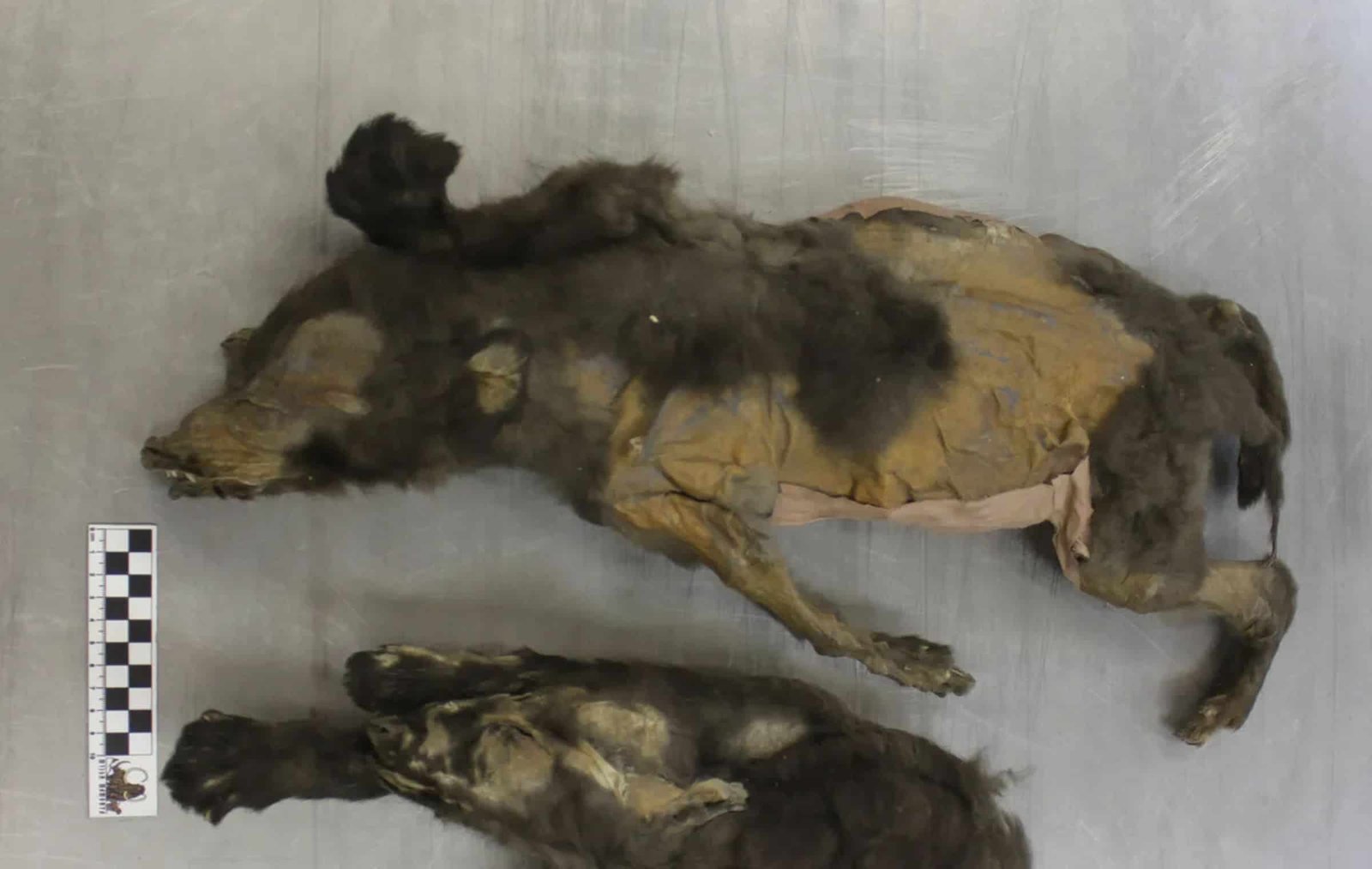
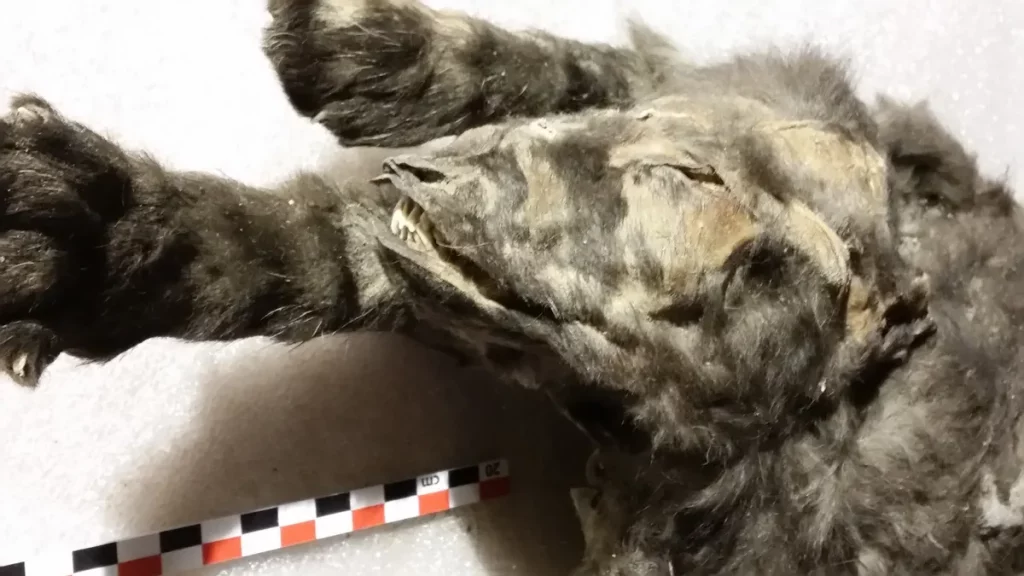
In 2011, ivory hunters found the remains of a canine “puppy” below the frozen terrain 40 km from the village of Tumat, in the north of Siberia. Four years later, another specimen was found during an excavation in the same place. Paleontologists believed that these were copies of the first domesticated dogs, but a new research by York University scientists provided an unprecedented perspective.
The study revealed that the two canine puppies of 14 thousand years They looked more wolves than home dogs. Genetic analysis showed that they were a couple of female sisters of about two months of age. Its diet was based on meat and vegetables, as were modern wolves.
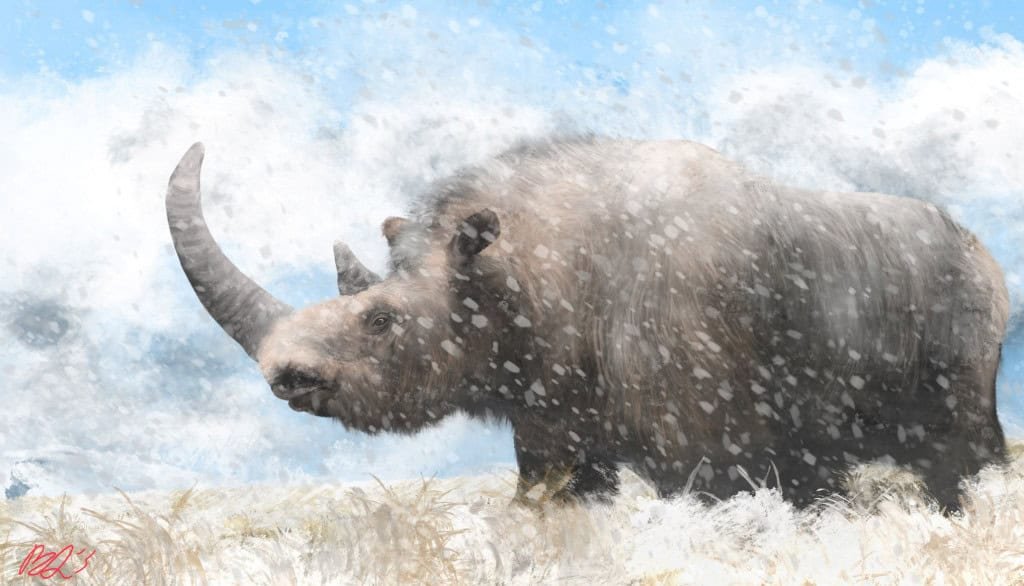
Still, the team was surprised to find Evidence of rhinoceros meat – Rinoceros species adapted to colder climates – in the stomach of the specimens. This led the group to propose that these wolves of the senior Pleistocene (130 to 11 thousand years ago) were considerably larger than their modern relatives.
“ Hunting of an animal as large as a rhino, even a puppy, suggests that these wolves are perhaps larger than those we see today, but they are still consistent in many ways, because wolves still tend to hunt easy prey as part of the package participates in the creation of puppies, ” said Dr. Nathan Wales from the University of Archeology Department of York University in a statement.
Puppies were not domesticated
You Tube puppiesAs they became known, they were preserved in the ice next to the mammoth bones with marks of being burned and processed by primitive humans. These tracks led researchers to propose that the canines have some connection with hominids, as dogs in the process of approaching humans to obtain food.
Another evidence of the old hypothesis that the first domesticated canines were Dark specimens. It was believed that this mutation was only present in dogs, but puppies turned out to be an exception because they were not related to modern dogs.
“ Although many are disappointed in knowing that these animals are almost wolf and not the first domesticated dogs, they helped us to approach the understanding of the environment of the time, how these animals lived and how the wolves notably similar more than 14,000 years ago are modern wolves, ” said Anne Kathrine Runge, who analyzed the cubs as part of their doctorate.
Read -Ne More:
Analysis revealed the past environment
In search of the cause of the death of the tube puppies, the analysis revealed that there are no attack marks in the specimens. The researchers propose to rest after a hunting in an underground shelter, when there was a detachment and there was no place. The wolves would have died on the ground and were preserved in the frozen terrain.
In addition to rhino meat, scientists studied other elements in the stomach of the two canines. They found remains of fossilized plants, evidence that the environment had a variety of vegetables and animals available.
“We can see that their diets were diverse, formed by animal and vegetable meat, very similar to those of modern wolves, and we also have an idea of their reproductive behaviors. The two were sisters, probably bred in a burrow and cared for by their package, all the common features in the reproduction and creation of wolf puppies today,” said Wales.
Although the tablecloths are not the ancestors of domestic dogs, they can be critical of research on the history of wolves.
“ We know that gray wolves have been existed for hundreds of thousands of years based on skeletal remains of paleontological places. Scientists have performed DNA tests in some of these remains to understand how the population has changed over time.The soft tissues preserved in Tumat puppies, however, give us other ways to investigate the wolves and their evolutionary line. ”