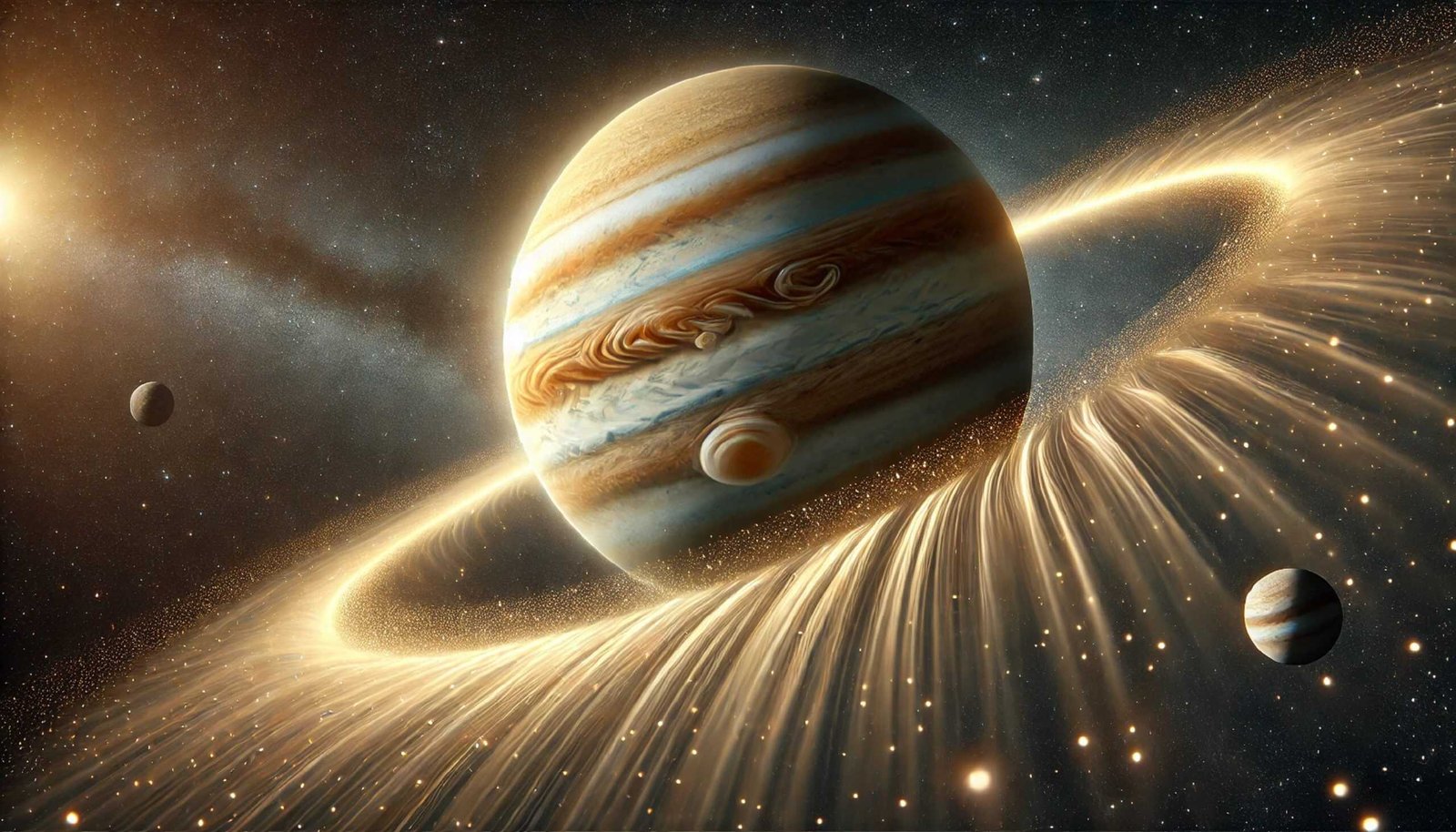
A study published this Thursday (03) in the magazine Geophysical research letters first described a curious phenomenon in Jupiter: a The solar wind of 2017 compressed the protective bubble of the planet, increasing (and much) the temperature there.
In addition, researchers point out that this event can reach Jupiter more often than expected, two to three times a month.
The work also helped to understand the influence of the Sun on the atmospheres of the planets in our solar system.
Jupiter’s protective bubble compressed solar solar bubble
Reading University scientists have found that a The 2017 solar event hit Jupiter and compressed its magnetosphere. Is a Common region on magnetized planets, which acts as a protective bubble against solar radiation and cosmic particles.
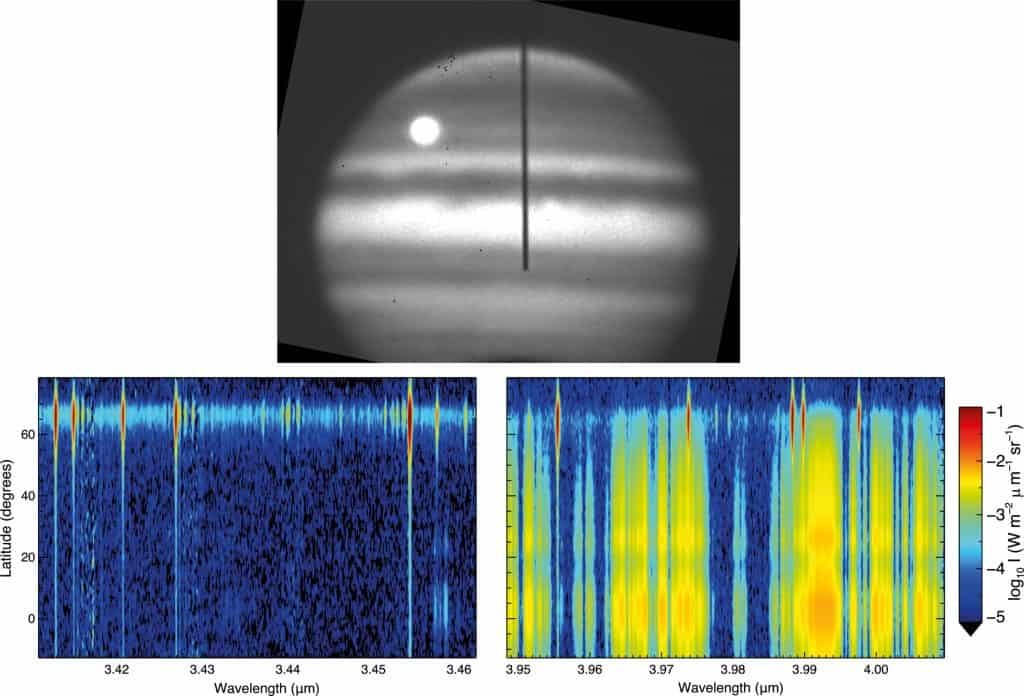
The observations were made from the Earth’s telescope of NASA and the data of the NASA space spaces that allowed the solar wind modeling. Should “crush” the magnetosphere shortly before the observations began.
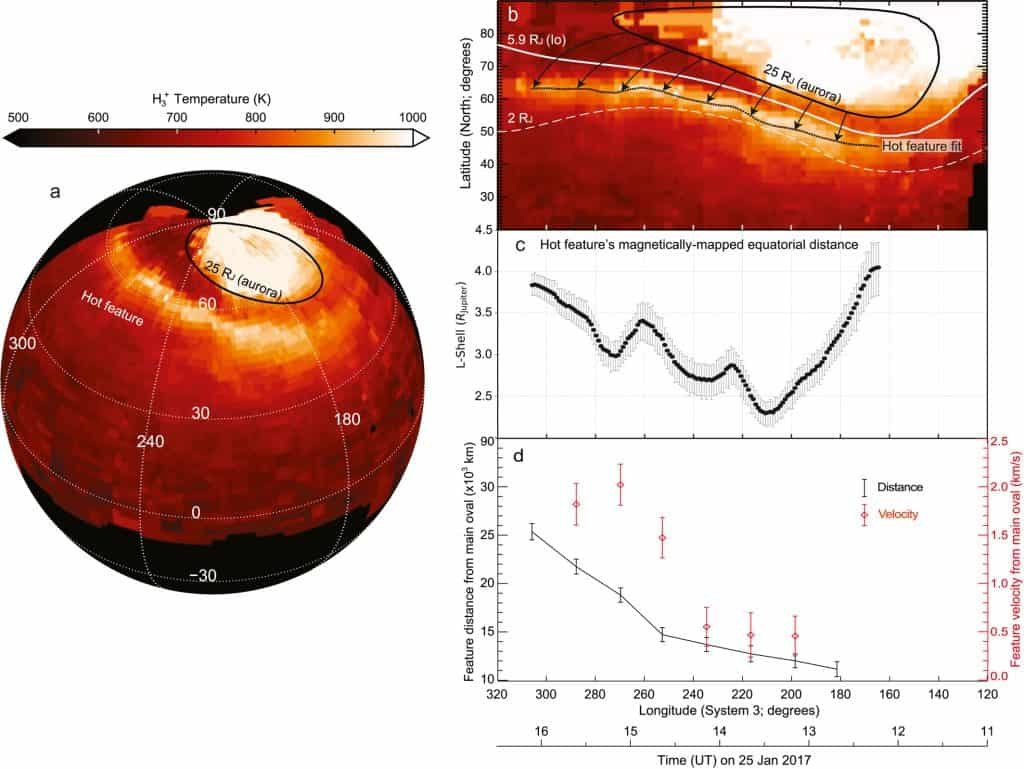
According to Dr. James O’Donoghue, the lead author of the research, Jupiter’s response to this event had never been studied. The analysis revealed that the The solar wind intensified the auroral warming on the planet’s poles, causing the atmosphere to expand and spill hot gas to the center. The result was a Increased magnetosphere temperature up to more than 500 ° C (Usually the highest atmospheric layers that are measured by about 250 ° C).
Read -Ne More:
Explained what happened:
The solar wind crushed Jupiter’s magnetic shield as a giant pumpkin ball. This created an overheated region that covers half of the planet. Jupiter’s diameter is 11 times larger than Earth, which means that this heated region is huge.
James O’Donoghue, Main Author
However, according to the leader of the study, this is the first time you have seen a phenomenon in any world.
What does this tell us about Jupiter?
O’Donoghue explained that Jupiter serves as a solar system laboratory. Through it, it is possible to study and understand the effects of the sun on other planets and to understand the consequences of solar storms in the human atmosphere and inventions such as energy networks, communications and GPS.
In addition, the effects were unexpected:
- The team thought that Jupiter’s rapid rotation would limit auroral warming in polar regions. The research showed no, as the solar wind caused the temperature to increase in other regions;
- This indicates that The atmospheres of the planets in our solar system are more vulnerable to the influences of the sun than before;
- Professor Mathew Owens, co -author of the research, explained that these findings help to understand the systems of forecast and can help protect the land from the dangerous space climate.