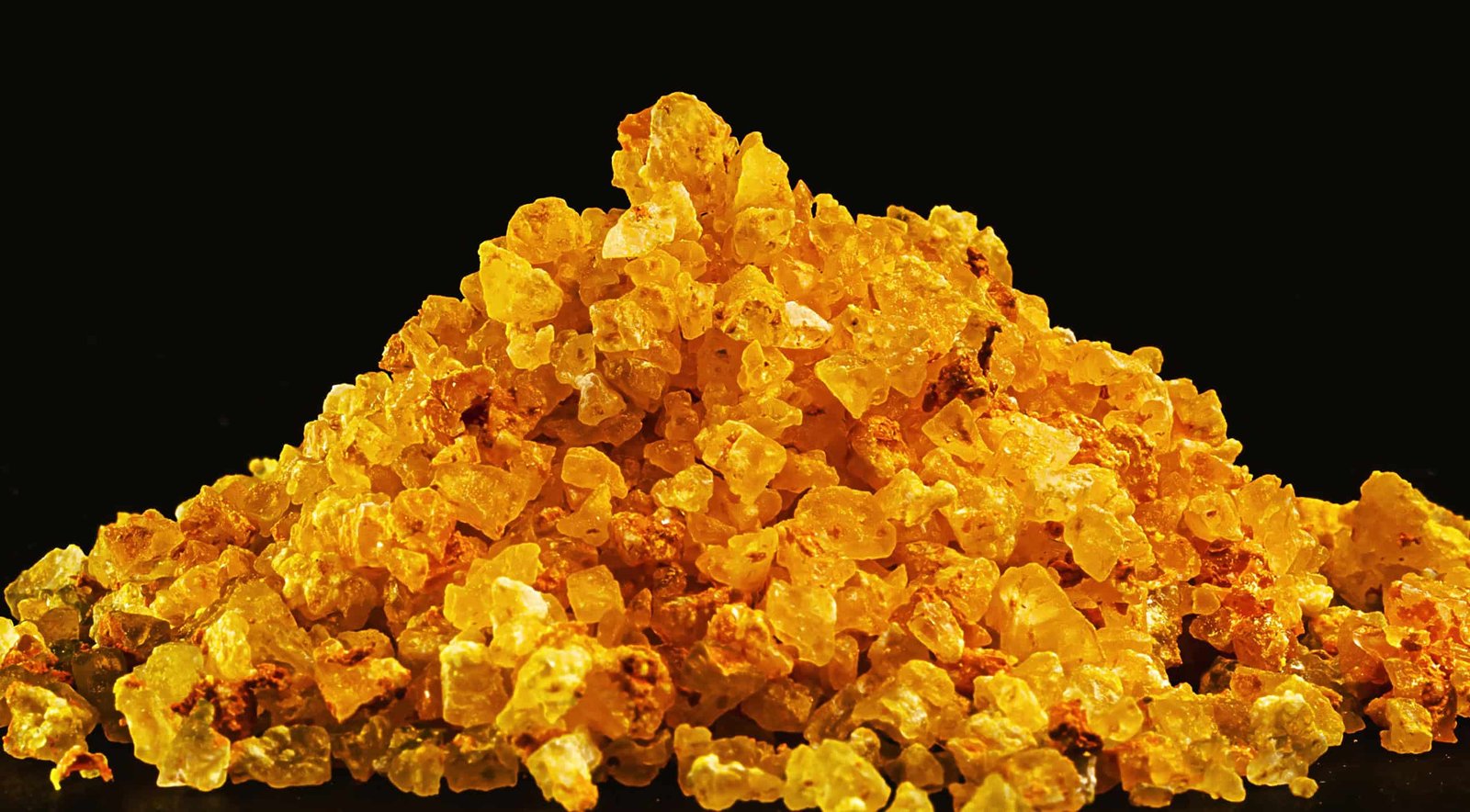
The natural reactor was active for hundreds of thousands of years, using groundwater for moderate reaction and generating heat

In 1972, scientists who analyzed samples of Oklo uranium (GABON) noticed an unusual amount of Uranium-235, an essential isotope for nuclear fission. It was less than it should have. This anomaly intrigued researchers, as the isotopic composition of uranium is usually consisting of different deposits.
“All natural uranium today contains 0.720% U-235,” says the International Atomic Energy Agency (AIEA). “But this piece of Oklo rock contained only 0.717%.”

Mystery involving a “natural nuclear reactor” of the Earth
- Later investigations revealed that uranium deposits in Oklo contained the isotope even less and subjected to a nuclear reaction in a self -sufficient chain;
- This natural reactor was active in hundreds of thousands of years using groundwater for moderate reaction and generating heat;
- “As a result of the preliminary examination, Bodu and his colleagues (1972) stated that 235U deficiency in Oklo could be due to isotopic fractionation or a natural chain reaction,” says the United States Geological Survey Report;
- “The chain reaction was soon confirmed by analyzes that showed abundance anomal of rare lands due to fission and a typical cryptoni-xenony spectrum of 235u fission,” he continues.
Read -Ne More:
These days, the conditions for these reactions are very unlikely and there is much greater abundance of uranium 235.
In order not to forget that the site had to be filled with groundwater to support the reaction, just as water is used in current reactors and manufactured by us. This is done to stop the neutrons produced by nuclear fission.
As the water warmed up and escaped with steam, the neutrons ended up slowing down and escaped without further reaction and interrupted the fission before the water cooled and filtered into the tanks.
This happened before the water cools down and filtered in the deposits enough to begin the whole process. Then, for thousands of years of these nuclear reactions, the (supposed) first nuclear reactor in the world stopped slowly.

Although the conditions needed for such a natural reactor are rare, Oklo discovery offers a fascinating view of the geological past of the Earth. It emphasizes the extraordinary power of nature and the complex processes that gave shape to our planet.