
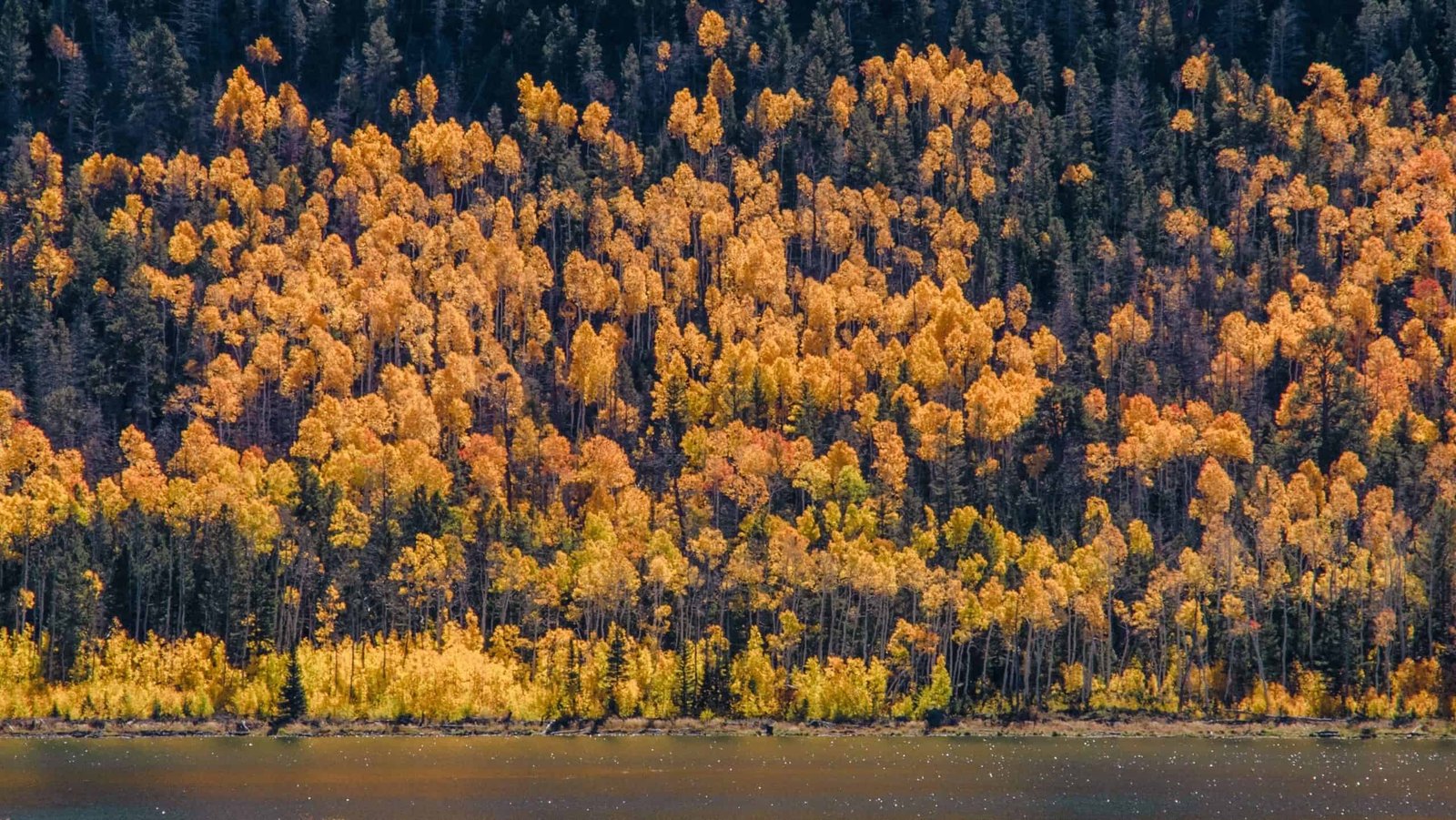
In the region of the Mountains of Wasatch, it lives a single organism of huge proportions, the basis for an entire ecosystem that supports plants and animals for millennia. It is near a lake, “Pando” is this living being that occupies an area of 43 hectares and consists of several clones of a kind of tree known as the tremor.
Although it looks like a forest with individual plants, the body is actually 47,000 genetically identical stems. Its unit is on the root network, which connect all parts to a set that weighs about 6,000 tons. At Mass, he is the largest living being on Earth.
Aramo trees usually form cloning based settlements where they are. However, most clonal settlements are much smaller, with those in the west of the United States with an average of 1.2 hectares.
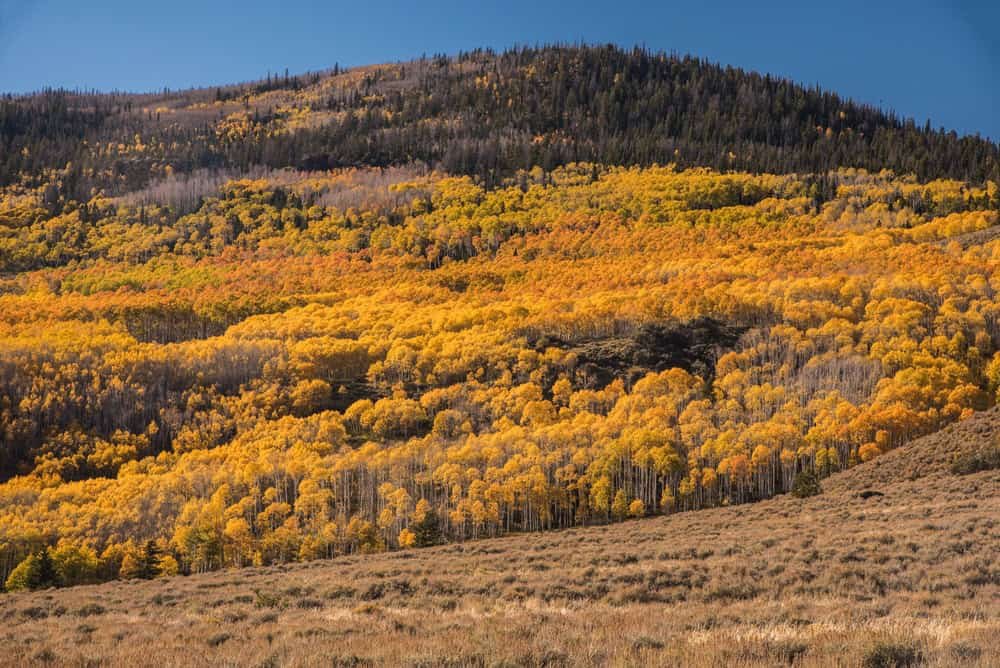
Pando has existed for millennia, about 14,000 years of life, although most stems live only about 130 years. Its longevity and area means that their trees maintained an entire ecosystem of 68 plant species and various animals.
This group of other living things depends that the Alamos are healthy and standing. Although the US National Forest Service protects and does not let the lumbs drop it, it risks disappearing due to other factors.
Animals eat pondo
Excessive deer and deer is one of the greatest concerns for the conservation of the body. In the past, wolves and panties have already maintained the population of herbivores under control, but now the herds are larger due to the loss of these predators.
Animals grazing under the shadow of Pando also go to the forest to protect. There they do not risk being hunted.

Read -Ne more
As larger trees die or fall, sunlight reaches the soil, which drives the growth of new stem clones. But when the animals eat the tip of these newly graduated plants, they die. This means that there is little growth in the large areas of Pondo.
The only exception is an area surrounded to remove dead trees. This place excludes the covers and deer and therefore saw a successful regeneration of new clones, with such a dense growth that it was called “Bamboo Garden”.
Diseases and climate affect the old organism
Older pond stems also suffer from diseases. The main diseases of the giant body are: the soil cortex, the stain of the leaves and the growth of the fungi in the trunks.
It encompasses that these evils have been developed in Alamos for millennia, it is unknown what the long -term effect on the ecosystem will be. Due to the lack of new growth it hinders surviving the body, while an increasingly pressure list comes to the forest.
The fastest threat is climate change. Pando appeared after the last glacial age and has since treated a very stable mood.
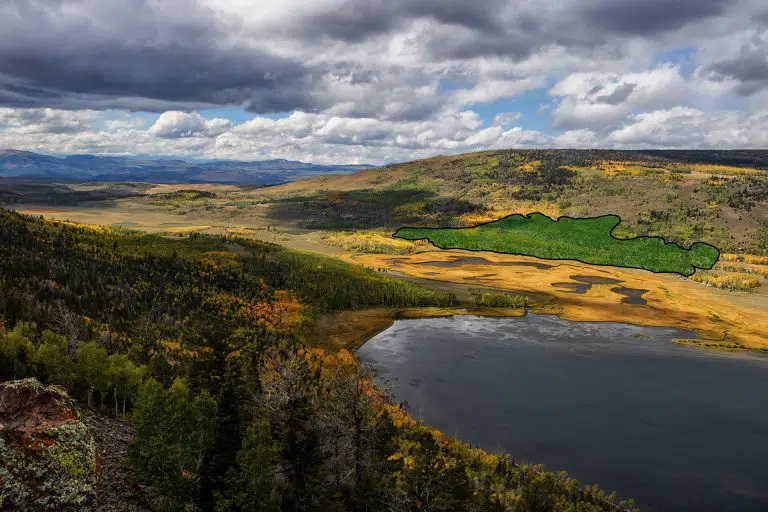
The body is in a mountainous region surrounded by deserts, which means that it has some resistance to higher or dried temperatures. However, climate changes threaten the longevity of trees and press the entire ecosystem they host.
Studies show that Alamos settlements have fought against climate change tensions, such as reducing water supply and planet heating. This situation hinders the cultivation of new leaves and leads to the decrease in the coverage of the vegetation.
With increasing competition for increasingly scarce water resources, temperatures should continue to increase to record levels. In summer there is the most intense wildfire threat. You will surely have difficulty adapting to these conditions while maintaining their size.
Despite all the reasons of concern, there is hope. In addition to the work of the United States Forestry Service, a group called Friends of Pando aims to make the giant body accessible to almost everything through the dissemination of information, photographic records and 360 ° recordings within the forest.