The phenomenon known as the ‘Blob’ killed four million animals in a heat wave between 2014 and 2016
Follow Olhar Digital on Google Discover
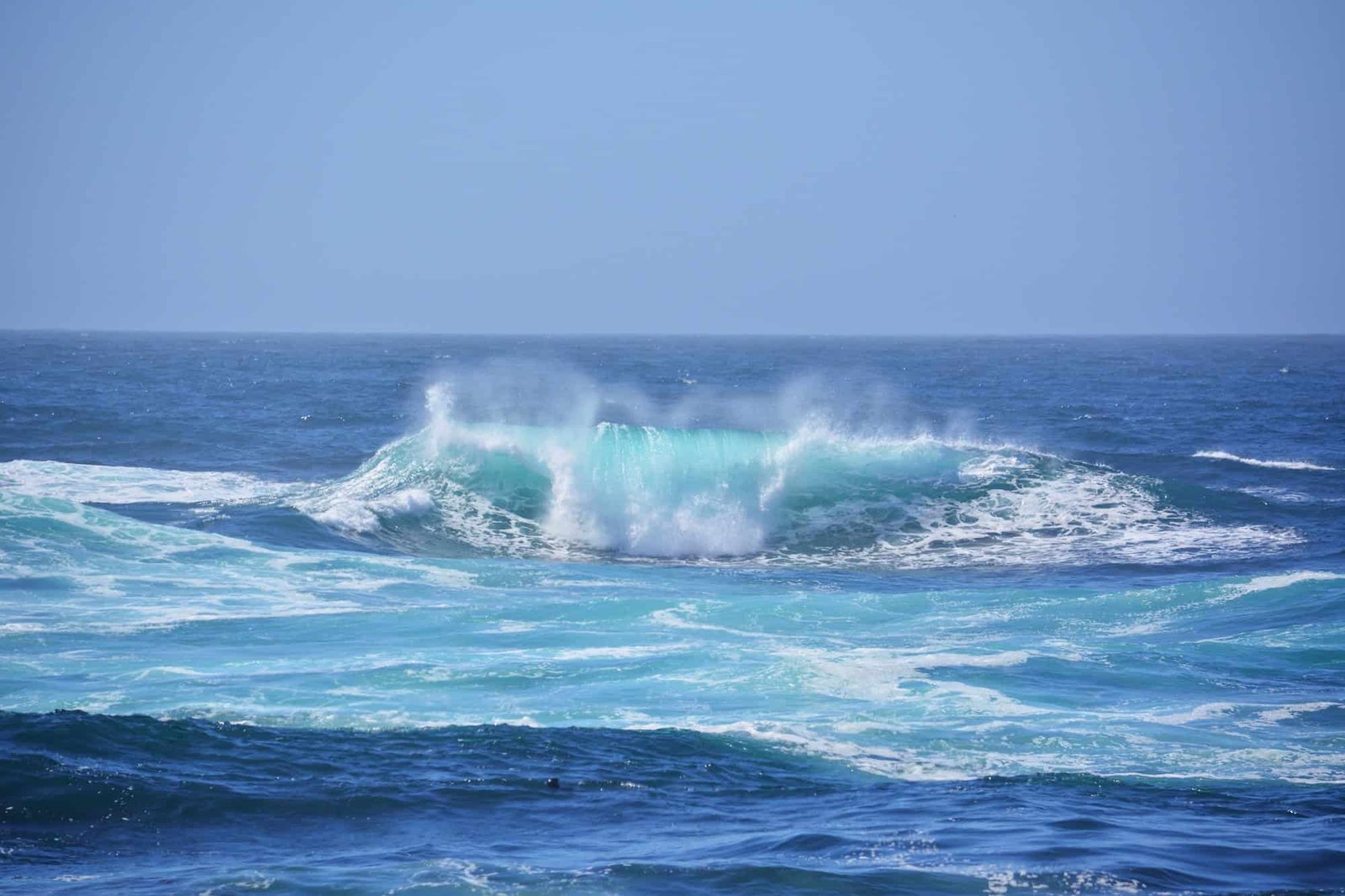
A marine heat wave that nearly wiped out a Pacific Ocean bird species may have returned, scientists say. The phenomenon known as the “Blob” (or “Bombolla” in Portuguese) killed four million common murres between 2014 and 2016, spreading across the Northeast Pacific.
Understand:
- A marine heat wave known as the “Blob” may return in even greater proportions;
- The phenomenon was recorded between 2014 and 2016 in the North-East Pacific, and caused the death of four million common murres at that time;
- Now, the extent of the heat bubble is even greater, stretching about 8,000 kilometers from the west coast of the United States to Japan;
- The mass of warm water can seriously affect marine ecosystems, causing entire colonies of animals to die of starvation.

data Copernicusthe European Union’s climate change programme, reveal that the average Pacific surface temperature reached 20.82°C in August this year, the third highest for the month since the late 19th century and just 0.16°C below a previous record set in August 2023.
Read more:
The new warm water “bubble” in the Pacific goes from the US to Japan

This time, the analysis shows that the heat wave is spreading over an even larger territory: about 8,000 kilometers, stretching from the west coast of the United States to Japan, according to the CNN. To give you an idea, the 2014 phenomenon covered about 1,600 kilometers, from the Bering Sea to the Gulf of Alaska.
The U.S. National Park Service explains that the phenomenon is caused by a combination of “warmer air temperatures (which warm the ocean surface), changes in wind speed, direction, and duration patterns (the wind helps mix the ocean and brings cold water up from the depths) and the persistent mass of warmer water along the equator known as ENSO (El Niño-Southern Oscillation).”
The heat wave threatens marine life
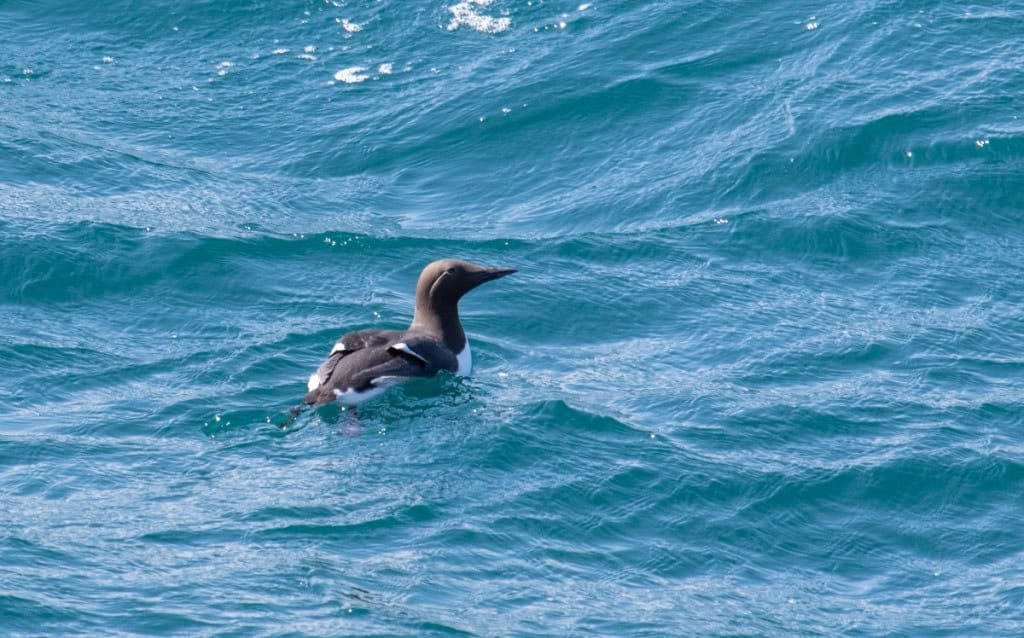
The 2014 marine heat bubble was cited as the largest single-species mass die-off in the modern era. A year after the start of the event, in 2015, the food chain of several animals had already been seriously affected, and entire colonies of common murre (Uria aalge) began to run out of food.
The birds that didn’t starve ended up too weak to reproduce, and the result bordered on the total extinction of the species: 62,000 birds dead in a single year and 4 million over the entire Bubble period.

Collaboration for Olhar Digital
Ana Julia Pilato has a degree in Journalism from the São Judas University (USJT). He has worked as an editor and social networks. She has two cats and loves movies, TV shows, science and crochet.

Bruno Capozzi is a journalist with a degree from Faculdade Cásper Líbero and a master’s degree in Social Sciences from PUC-SP, focused on research in social networks and technology.