Follow Olhar Digital on Google Discover
All about china
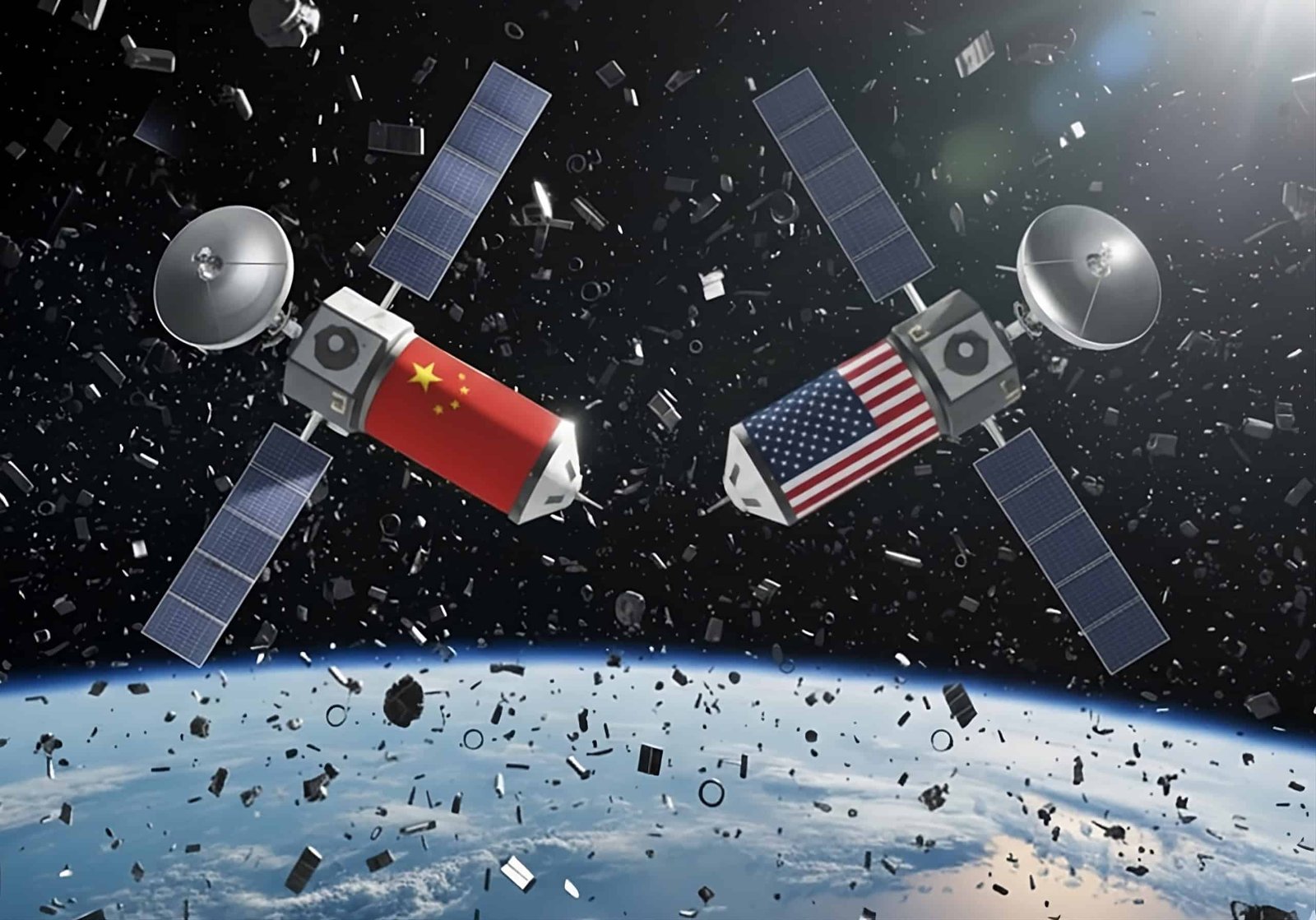
Imagine that Apple, in the midst of a legal battle over patents, was forced to call Samsung, its main global rival, to solve a critical problem that threatened to cripple both operations. Here’s the situation in space: NASA and the China National Space Agency (CNSA) have long been rivals and can barely speak to each other because of US laws that limit such interaction. However, the risk of a satellite collision forced the two powers into an emergency dialogue.
The danger of a satellite collision acted as a “ruthless CEO”: a superior force that demands results, no matter who the competitor. The result was a forced emergency dialogue, which forced the bitter rivals to cooperate, in an unprecedented and absolutely crucial feat in the management and security of global space traffic.

Revolutionary milestone in the security protocol
According to the website Space.comthis unusual approach indicates a major change in security protocol. Until then, when there was a risk of impact, the procedure was carried out unilaterally by the US. NASA simply warned the Chinese to stay put and brace for the diversion.
“For years, if we had a conjunction, we would send a warning to the Chinese saying, ‘We think we’re going to collide with you.’ Hang in there, we’ll maneuver around you,” said Alvin Drew, NASA’s director of Space Sustainability, during a plenary session at the International Astronautical Congress (IAC) in Sydney, Australia, on Oct. 2.
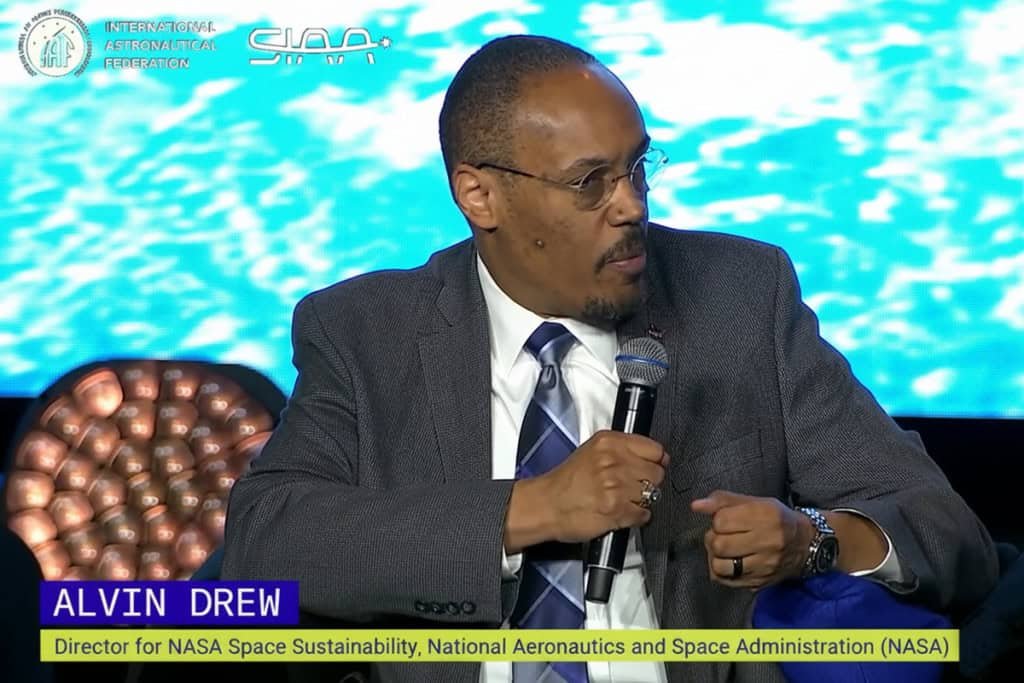
The paper reversal happened out of the blue, a day earlier, and was even celebrated at NASA. Drew then said that for the first time in history, the CNSA actively sought out the Americans and took command. “We have detected a risk of collision between our satellites. We recommend that they remain stationary; we will carry out the diversion maneuver,” says the alert, which marks the turning point in space coordination.
Megaconstellations of satellites crowd Earth’s orbit
The increase in objects in orbit requires urgent coordination. Both the United States, led by SpaceX’s Starlink giant, and China, with its ambitious Guowang and Thousand Sails projects, are launching satellites at a breakneck pace.
This exponential growth forces operators to act rigorously. The main goal is to limit accidents and, above all, to prevent the formation of more space debris, a problem that threatens the security of all nations dependent on space.
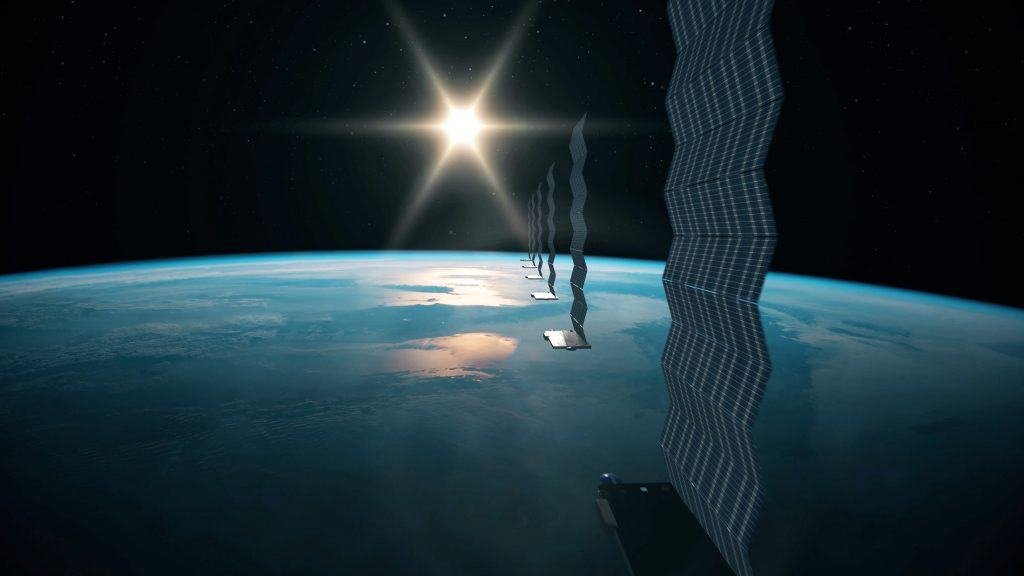
China’s approach suggests that the country’s space situational awareness—the ability to track and understand risks in orbit—has reached an advanced level. The Chinese demonstrated that they have the resources to detect and calculate collision risks (conjunctions) and from there begin coordination. Developing this capability, including efforts to eliminate space debris, was already a priority outlined in China’s 2021-2026 space plan.
Read more:
Space reality ignores US law
The exchange of messages between NASA and CNSA constitutes an exception to the Wolf Amendment. This 2011 US law acts as a regulatory deadlock: it prohibits most bilateral cooperation and direct interaction between US agency and Chinese entities, for security and technology reasons.
However, the urgency of the space prevailed over politics. Protecting valuable satellites and, above all, saving missions and lives spoke more than legal barriers. When the risk of orbital disaster is a universal threat, enemies who avoid each other on Earth are forced into a common-sense truce in the sky.