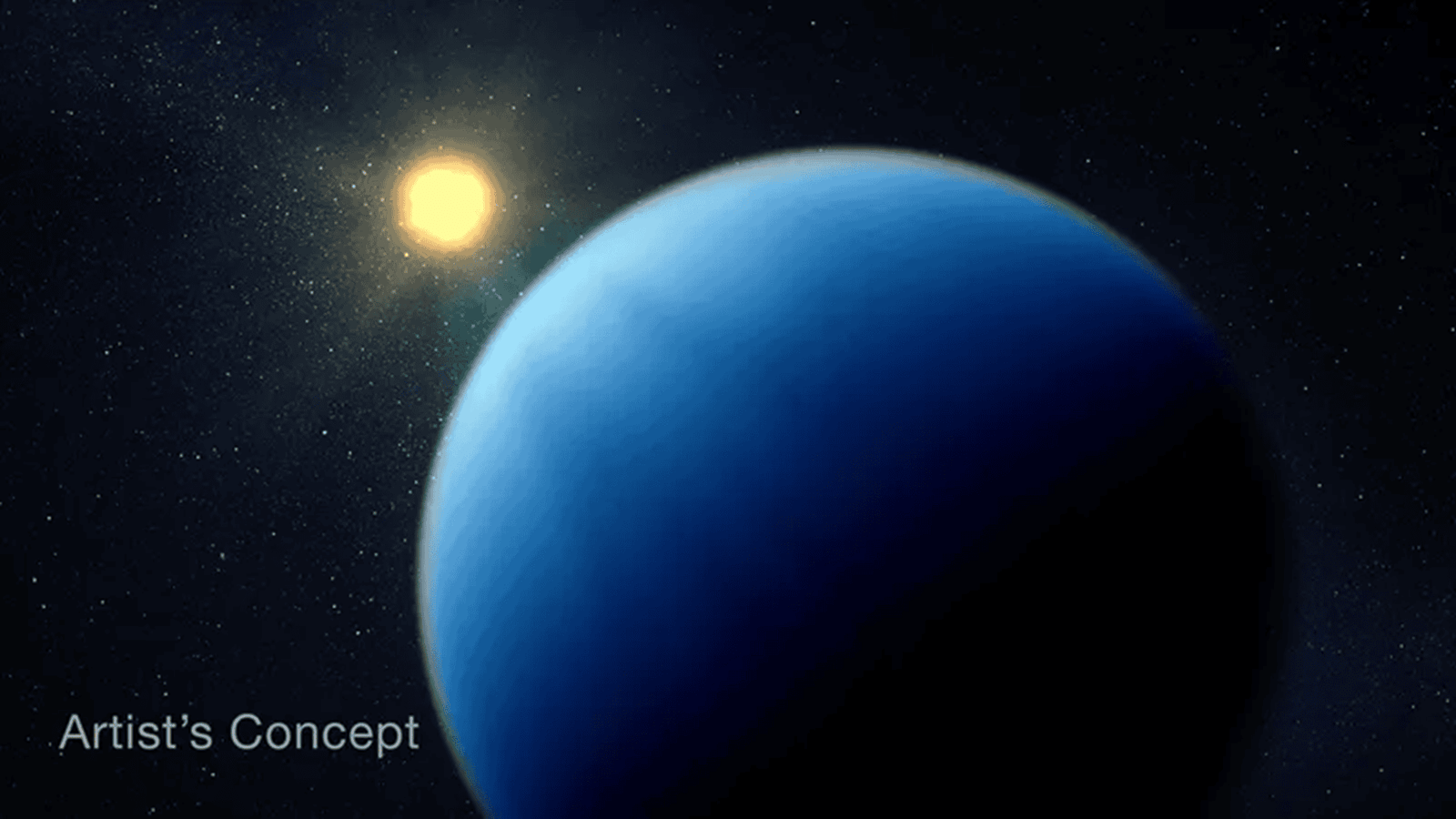
An investigation published in the The Astronomy Journal discovered a planet “Link lost”. Format between ten and 30 million years agoIs considered v1298 TAU B young and is classified as a Sub-node (Exoplanets that have smaller than neptune rays, but they may have larger or smaller masses than him).
Is considered a “lost link” because its atmosphere hydrogen and Fewer metals And your Hot interior Challenge current models for the formation of mature subteunes, suggesting that it may be in “Crossing Evolutionary Crossingwith the potential of converting —s Two different types of worlds.

Unusual characteristics of the planet “Losto Losda”
- V1298 TAU B has atmosphere much clearer and poor in metalswith 100 times less methane;
- It is also generally 100 times less enriched in metals When we compare ourselves with a ripe sub-need;
- In addition, their internal heat is incomply with the typical training model for sub-sets. These differences indicate that significant evolutionary processes still occur;
- The observations of Kames Webb Space Telescope (JWST) they were crucial love, with accuracyThe mass of V1298 Tau is its atmospheric composition;
- JWST allowed access to multiple molecular absorption features (H₂O, Ch₄, So₂, Co₂, Co) In the nearby infrared, providing vital data to analyze their atmosphere and determine differences from other planets.
Read -Ne More:

Two different worlds in one?
Team simulations indicate that V1298 TAU B can evolve to two types of planets.
In some scenarios, it will become the expected subnegan. In others, it will become a Super-terraA rocky world larger than ours. In some cases, the loss of their atmosphere can only occur in 7.5 million years.
“We found that V1298 TAU B has a much clearer and hotter and inner atmosphere warmer than the subtetes observations that were previously revealed. This suggests that evolutionary processes They still develop And they will possibly transform the atmospheric composition of this planet with age, “said the main author of the research, Sauate Barat, of the University of Amsterdam (Netherlands), in a statement.
“In general, these discoveries challenge our understanding of how the subetune planets are formed and evolved. We show that in their early stages these planets have atmospheres that differ significantly from those of their mature colleagues and billions of years,” added co-author Jean-Michel Déser, also from the University of Amsterdam.
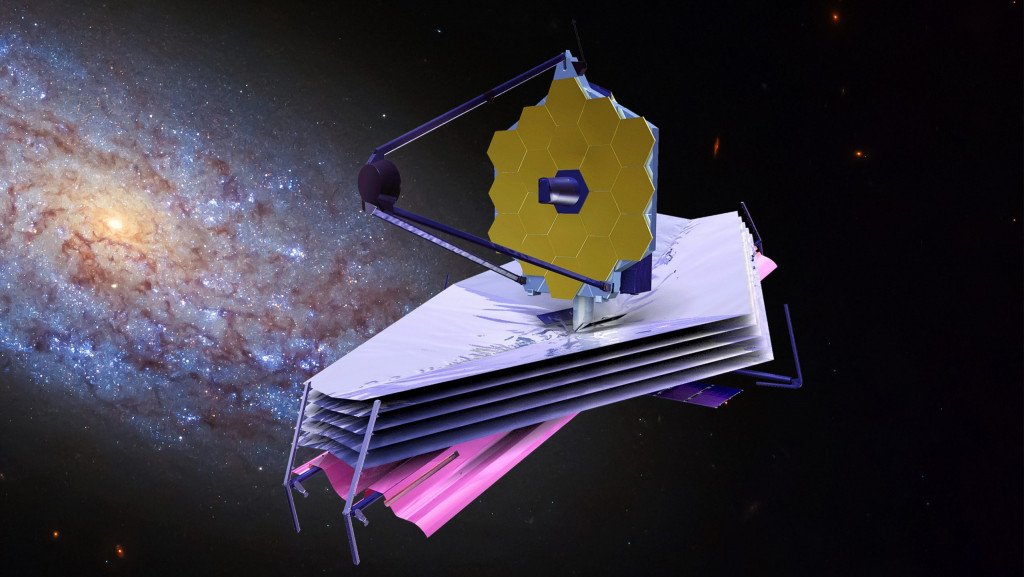
The team is co-eliminating an extensive JWST program to observe Seven young exoplanetswith ages between 20 and 200 million years. The aim is to obtain new opinions on the evolution of their atmospheres and deepen the understanding of the various paths of planetary training.
The results of this search are available on the File Preprint Server.