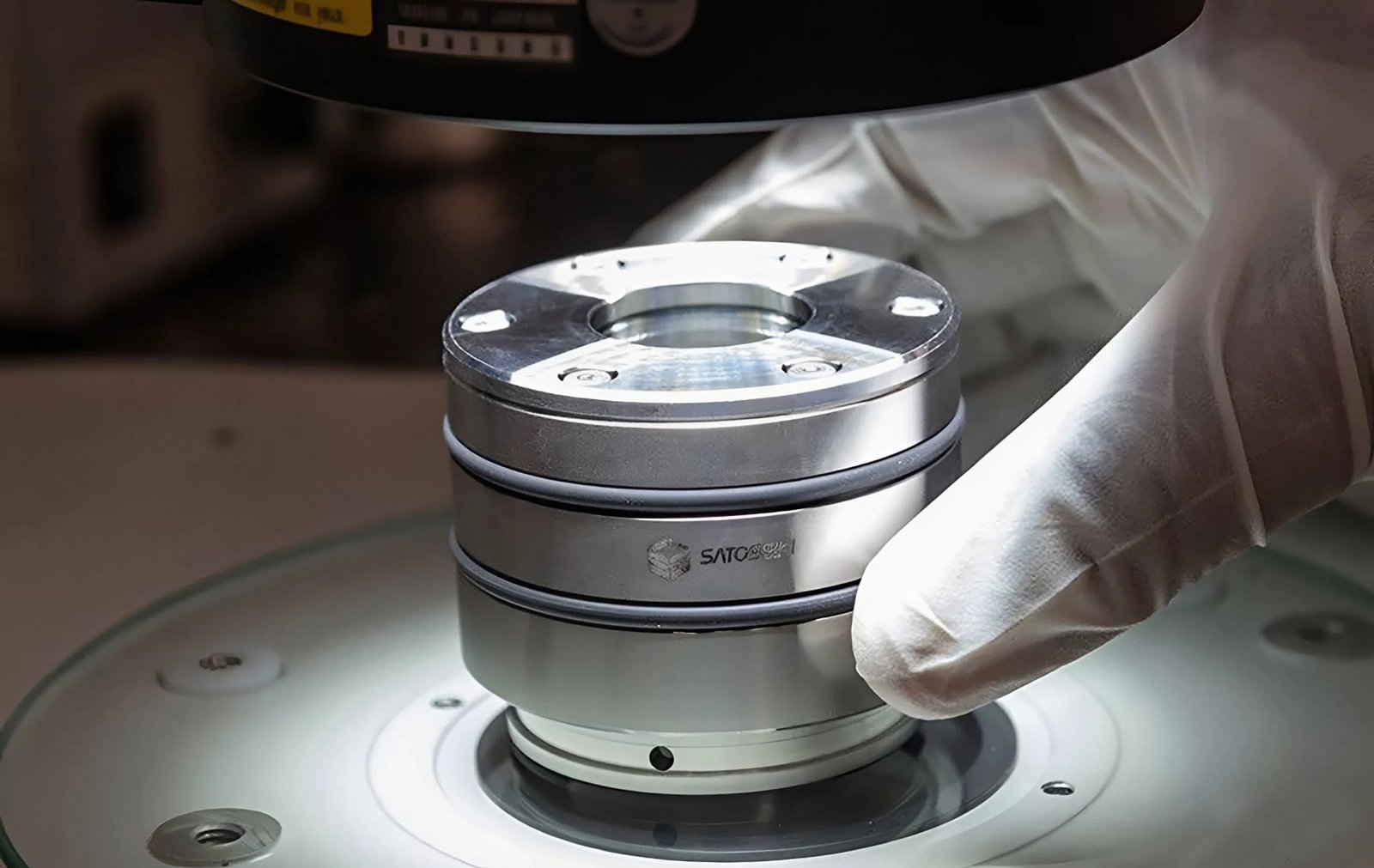
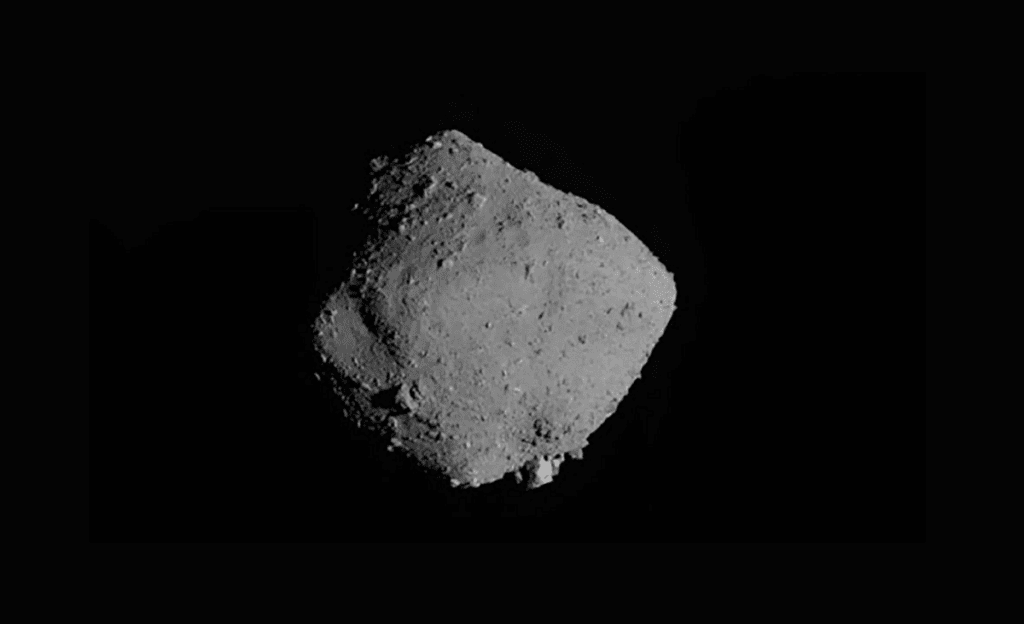
On December 3, 2014, the Hayabusa 2 mission was launched by Japan to investigate Asteroid Ryugu, more than 300 million km from Earth. After four years of travel, the probe arrived at the destination, collected samples of the surface of the rock and handed the capsule with the material in a landing in Australia in December 2020, while the mother spacecraft followed an extended mission to the 1998 Asteroid Ky26, which must be reached in 2031.
Since the return of samples, scientists from various institutions have analyzed about 5.4 grams of collected material. One of the most recent findings, made by a team from Hiroshima University, has just been published in the scientific journal Meteoritic and Planetary Sciences And it provides amazing information.
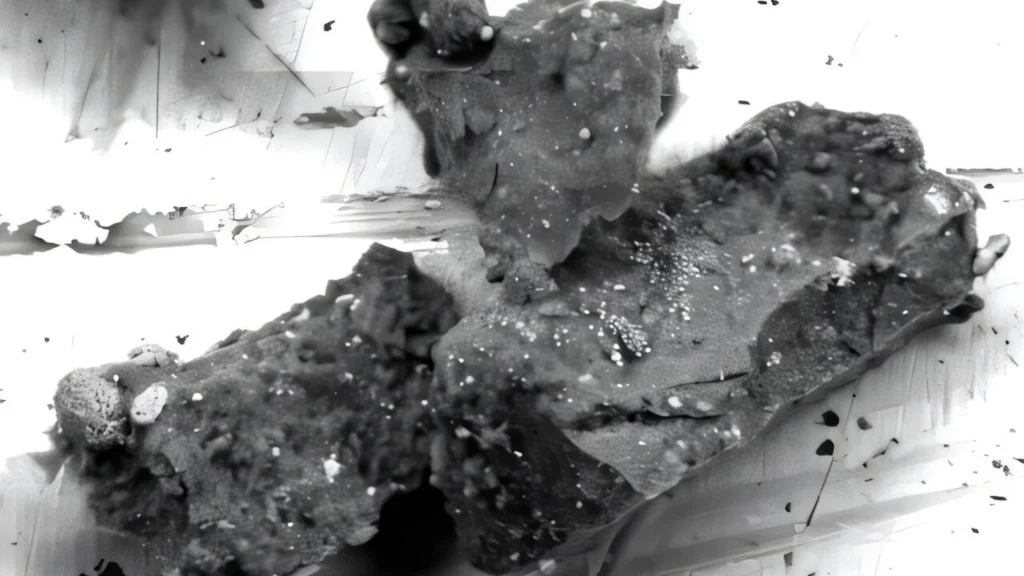
Researchers identified a rare mineral called Djerfisherite, which is usually only formed in environments with temperatures greater than 300 ° C. The presence of this mineral in the Ryugu asteroid was considered unexpected.
Strange mineral changes everything that was known about the Ryugu asteroid
Composed by a small gravity united rock cluster, called “rubble pile”, about 900 meters wide and about 496 million tons, Ryugu is an example of primitive asteroid.
It is believed that he separated from a larger body, originating for more than four billion years, which would have been formed in the colder and most distant regions of the solar system. During its evolution, this body would have slowly warmed up due to the disintegration of the radioactive elements, reaching a maximum of 50 ° C.
The above analyzes said that Ryugu was mainly composed of Condrita CI, a common type of carbon rich meteorite. Djerfisherite detection, however, suggests that the asteroid has a more complex story. This mineral is generally appeared in tapositic condominiums, formed in much warmer regions near the Sun.
Read -Ne More:
“Tropical Seed on Arctic Gel”
Using electronic transmission microscopy, researchers analyzed the mineral layers of the samples. In a statement, Professor Masaaki Miyahara, the main author of the study, said that finding Djerfisherite in Ryugu was like “finding a tropical seed on the Arctic ice.”
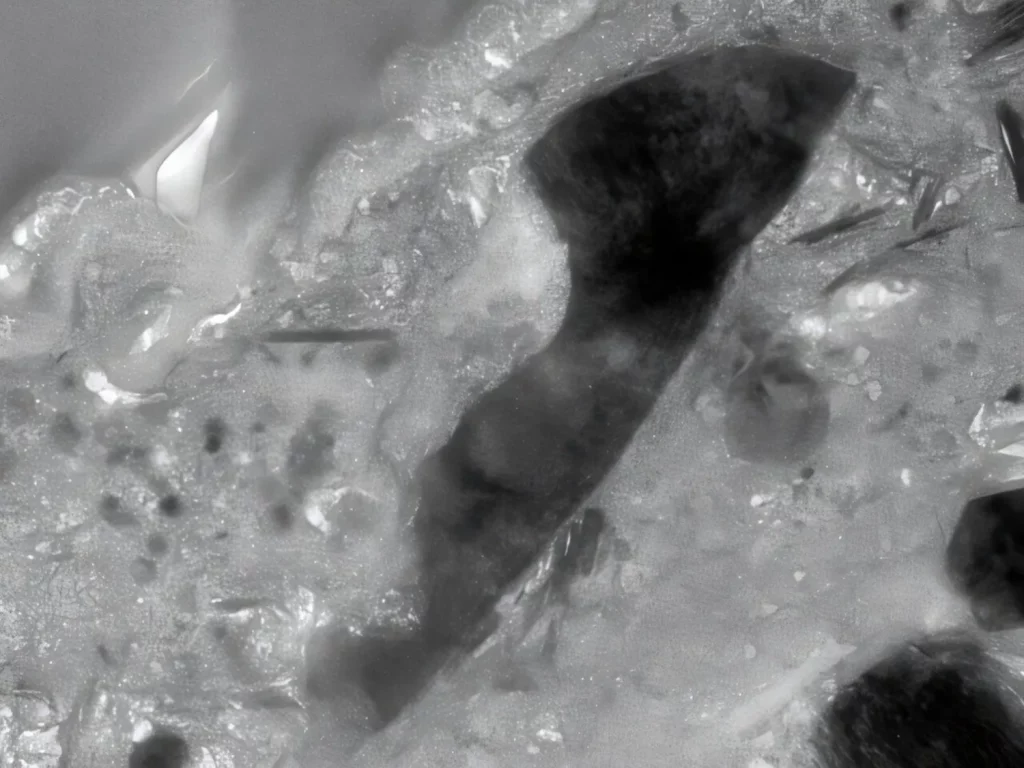
Two explanations are being considered. One hypothesis is that Ryugu has incorporated materials from different regions of the solar system during his formation. Another possibility is that the asteroid has undergone localized heating processes, so far creating unknown chemical conditions.
The next steps of the research consists of carrying out isotopic studies in the samples. These new data are expected to help clarify how Ryugu materials have been formed and what they can reveal about the first chapters in the history of the solar system.