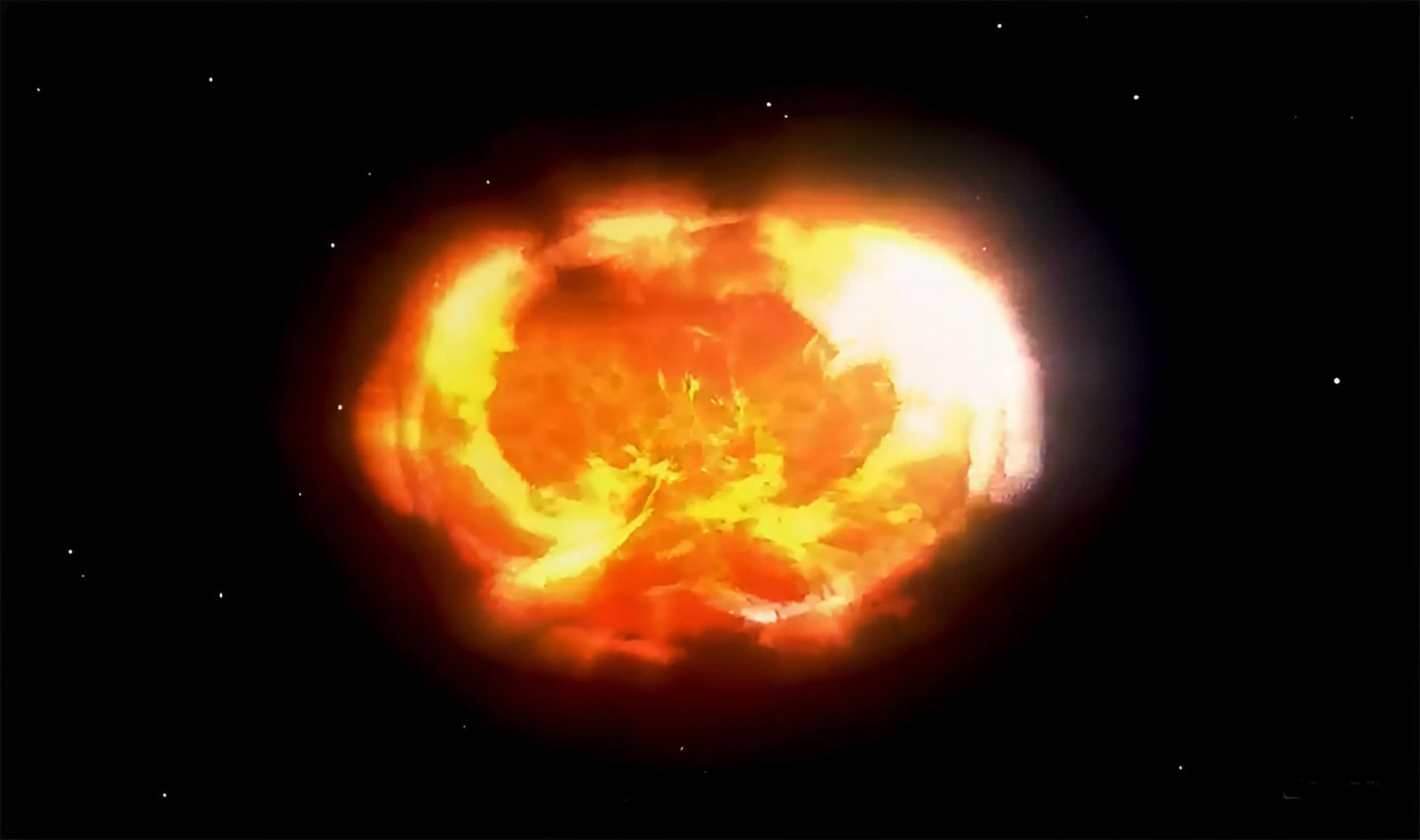
New research suggests that massive explosions of massive stars (therefore the so -called supernovae) may have caused the climate changes of the Earth throughout history. These extreme cosmic events release large amounts of energy and particles that can interact with the atmosphere of the planet, even when there are hundreds of light years.
Posted in the June edition of the magazine Monthly Warnings of the Royal Astronomical SocietyThe study was carried out by Robert Brakenridge, Arctic Principal and Alpine Research Institute, who is part of the University of Colorado in Boulder, USA. He tried to understand how supernova radiation may have caused environmental changes in the past. The idea is that studying what has already happened, humanity can be better prepared for the future.
Supernovae may have caused sudden climate change on the planet
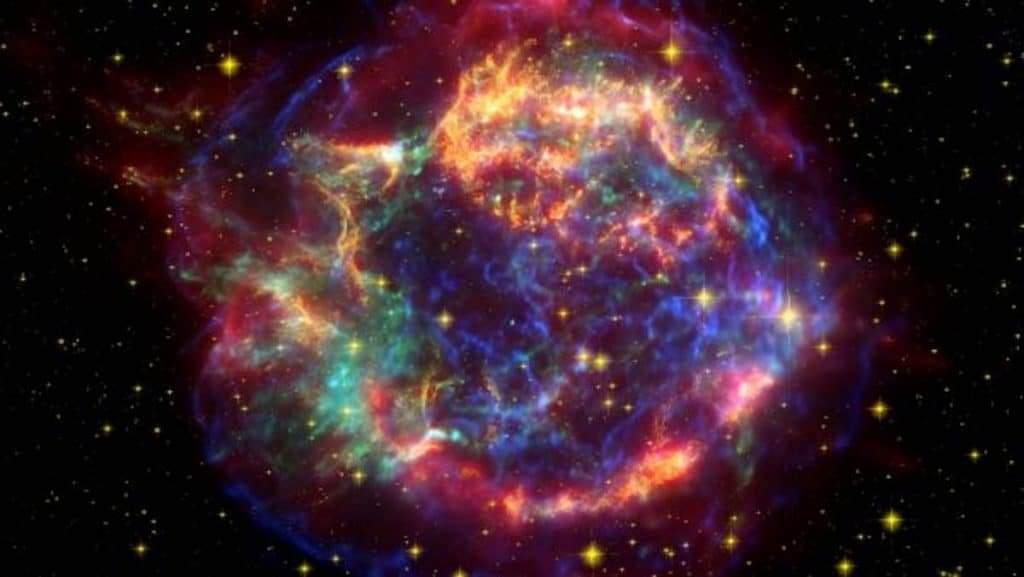
Supernoves happen when the giant stars, much larger than the Sun, reach the end of life. Without fuel, they collapse under their own gravity, forming black holes or neutron stars. In this process, they launch an explosion of violent radiation that can cross large regions of space.
If there was a supernova about 30 light years from Earth, it could destroy our atmosphere and end up on the planet. Hundreds of light years, the impact would not be lethal, but still dangerous. Radiation can damage the ozone layer, responsible for protecting the Earth from the ultraviolet radiation of the Sun.
Brakenridge explains in a statement that there are abrupt climate change records in the history of the Earth. The scientist believes that some of these changes may have been caused by supernove radiation. To investigate, he decided to cross space data with geological records of the Earth.
Unlike previous studies, which focused on theory, Brakenridge applied these concepts to specific tests. He used space telescopes data to better understand how radiation with the atmosphere interacts and developed a new climate impact model caused by supernovae.
The model shows that the photons (light particles) released by the star explosion would destroy part of the ozone layer. This would make more solar radiation reach Earth, which would also affect the methane of the stratosphere. Since methane is a significant greenhouse gas, its reduction would cause global cooling.
According to Brakenridge, the result would be a dangerous combination: an increase in ultraviolet radiation, extinguishing species, more forest fires and changes in the global climate. Since it is not possible to try this scenario in the present, the scientist sought evidence in the past.
Read -Ne More:
The rings of the trees contain tracks
He analyzed the tree rings, which record changes in atmospheric carbon. Trees absorb carbon during growth and radioactive carbon peaks may indicate supernova radiation. In about 15,000 years of records, 11 of these peaks were found.
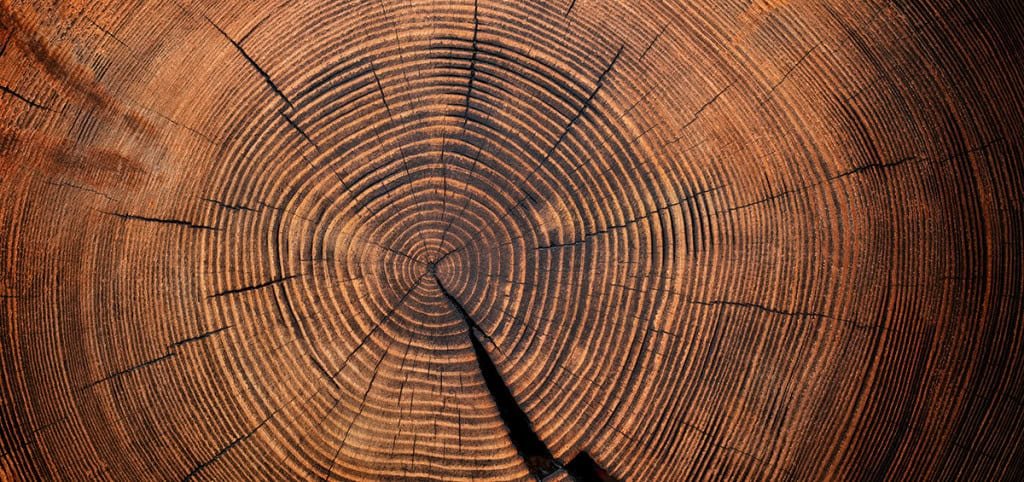
This data may indicate 11 supernovae that affected the Earth, but it is still soon to say -safely. One of the challenges is to differentiate these signs from the effects of solar eruptions. Therefore, other records, such as ice cores and ocean sediments, must be analyzed to confirm the hypothesis.
According to the researcher, understanding this relationship can be essential to preparing for the future. An example is the star of betelgeuse, about 700 years of light, which can become supernova in the next 100,000 years.
“As we learned more about nearby stars, our forecasting capacity increases,” says Brakenridge, emphasizing that more studies are needed to understand how vulnerable to these star explosions.