
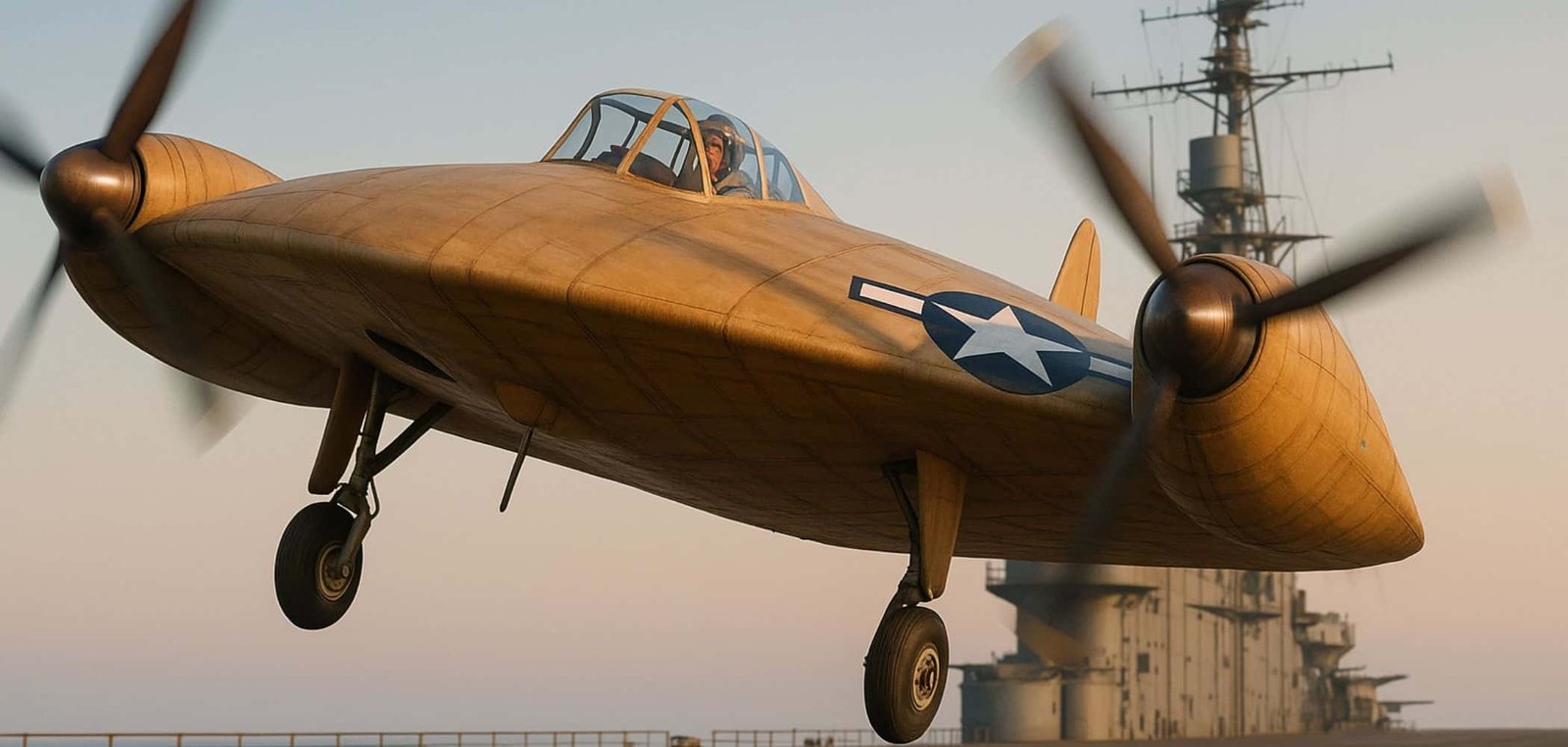
At the height of World War II, while scientists and military ran to invent new faster weapons and planes, an eccentric engineer had an idea that seemed to leave a science fiction movie: what if the best format for a fighter was not elongated as a jet, but as … a flying dish? This is how VV-173, the “Flying Flapjack”, was born, an experimental plane in a UFO manner who really flew and surprised who thought he would never leave the ground.
The project was as strange and ambitious. Instead of the fuselage and the conventional wings, the V-173 had a flat body, with huge hellics at the ends of the wings. The goal? Create a plane that will take off on short slopes and maneuver like any other. And it worked: he flew dozens of times, surprising even veterans.
But the success was short. When the combat model, the XF5U-1, was finally ready, the jets already dominated the sky. The only surviving copy today is in a Texas Museum, and it looks even more like science fiction than in reality.
Secrets, tests and an almost vertical takeoff
The project was so innovative that it remained under total confidentiality during its development. He faced various obstacles and technical delays, especially when the United States entered the war. However, he continued to advance in the midst of doubts and skepticism within the military forces.
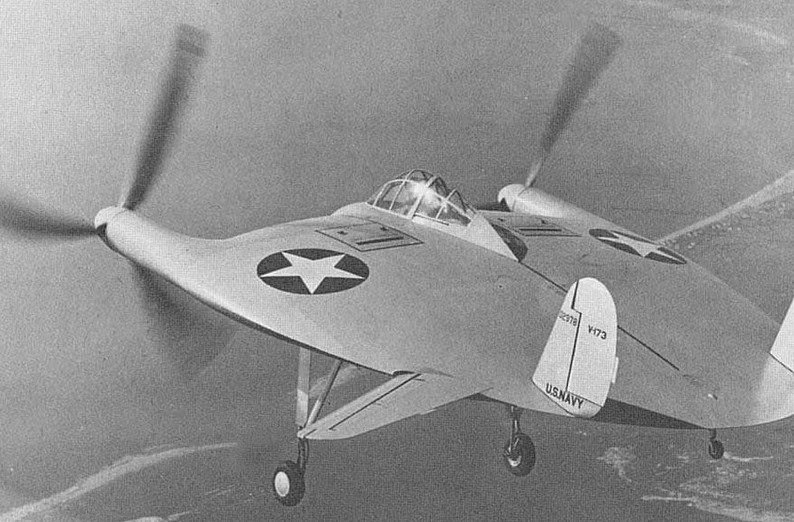
Despite the technical challenges, especially in the complex system that synchronized the motors in the propellers, the V-173 finally took off on November 23, 1942. Its light structure, built in wood and fabric, surprised by robustness. Against all predictions, the “flying album” won the sky.
Between 1942 and 1943, he flew almost 200 times. It had impressive stability, it took off in just 60 meters and almost did not stop. With the wind against, he could even get up vertically. The Navy saw a fighter who could even operate Makeshift Decck, a rare feat at the time.
The end of the flying crepe
Although the project has never been completed as a combat fighter, Fleing Flapjack has paved the way for new ideas in aerodynamics and flight control. Its short concept of takeoff and low speed stability foresee the challenges that aviation would face for decades.
Today, the advances in VTTOL aircraft (takeoff and vertical disembark) and drones with innovative formats echo the lessons V-173. Modern technologies explode the same search for versatility and agility in small spaces, which Flapjack’s flight has already shown in the 1940’s.
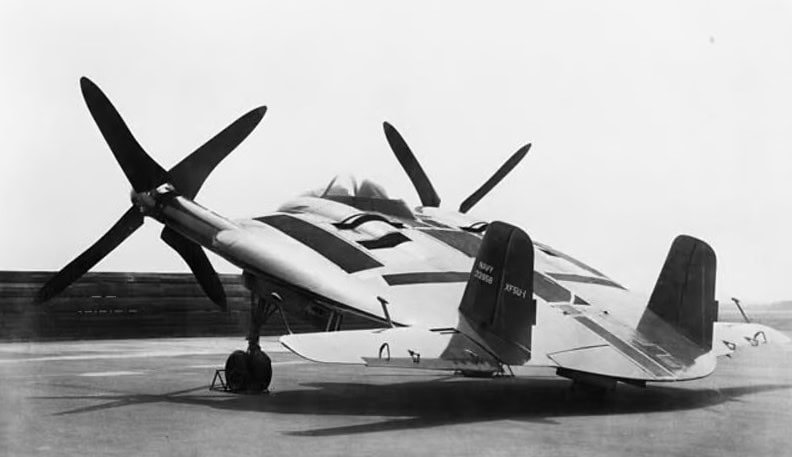
Thus, even without fighting, Flapjack inspired future generations. It is proof that aviation, innovation and courage to experience are as important as fire speed and power.
The complete story you can consult at New Atlas.