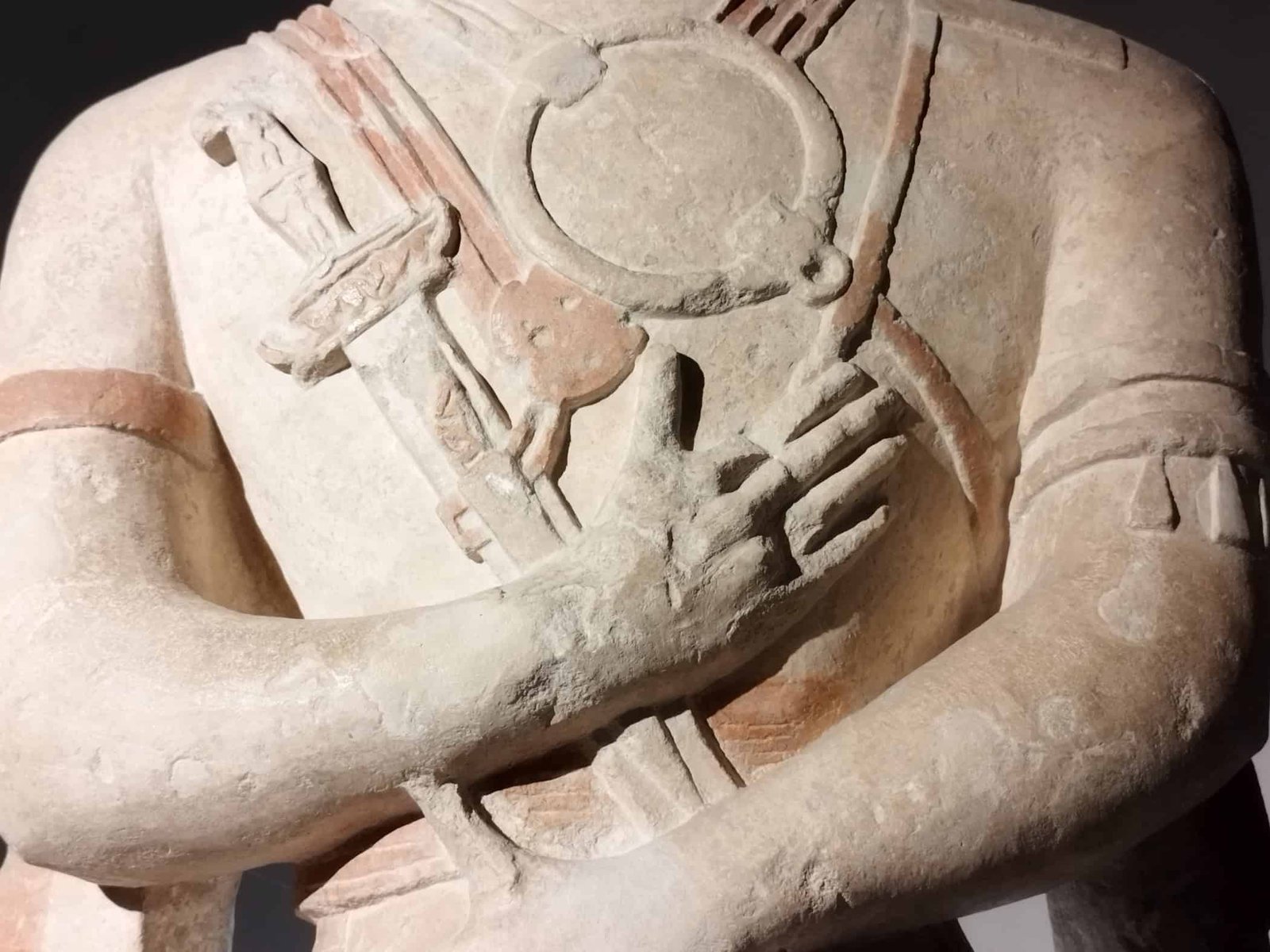
The researchers analyzed the DNA of the old Picentina and the results suggest “peculiar” characteristics
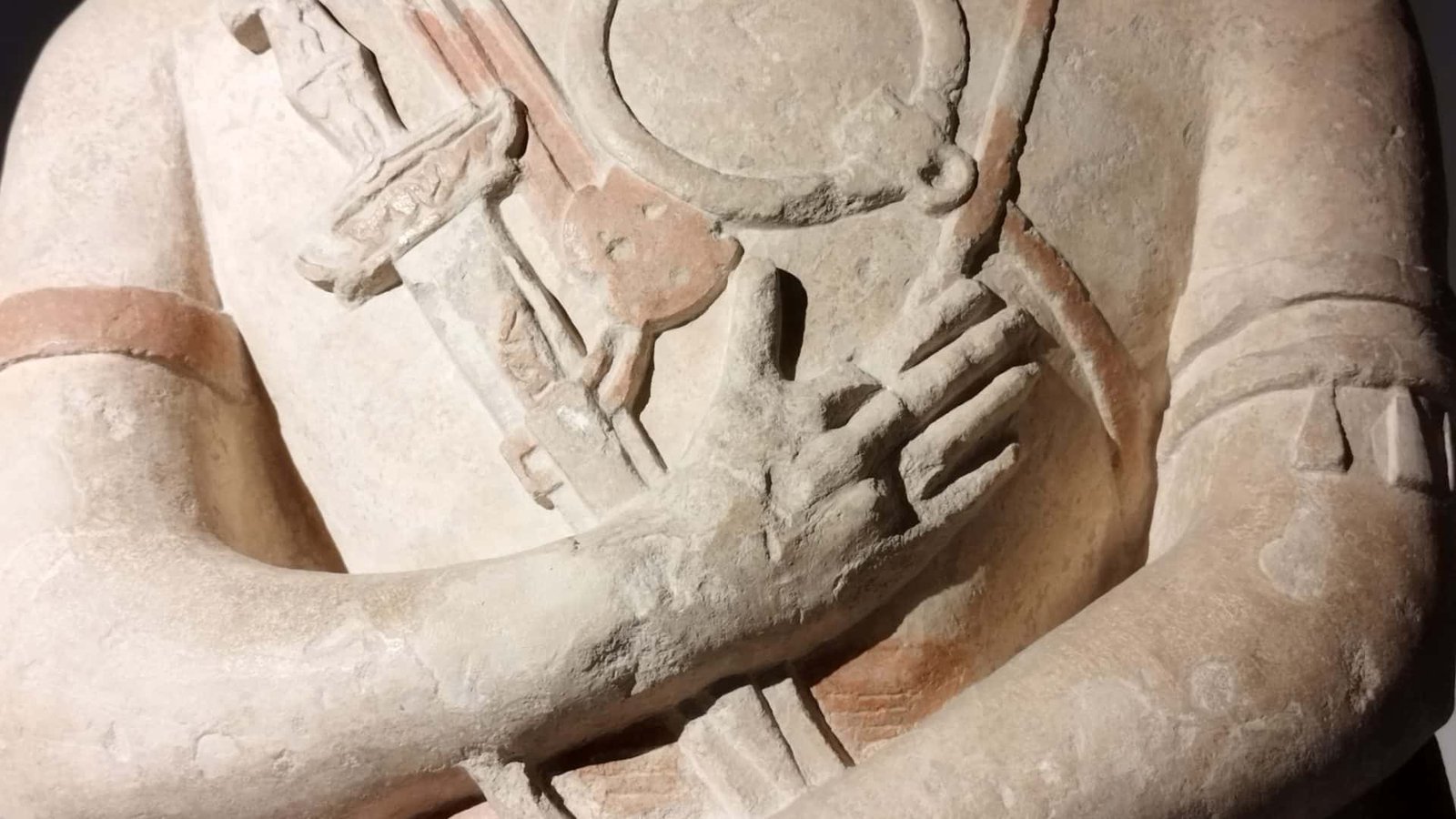
Understand:
- The researchers analyzed the ancient DNA of Picentina, an ancient Roman civilization forgotten;
- The Picentines inhabited the Middle Adriatic side in central Italy between the 9th and III CCS;
- In addition to a strong artistic culture, the Picestines were also warrior peoples;
- DNA analysis showed “peculiar” characteristics, such as a high proportion of individuals with blue eyes and blond hair.

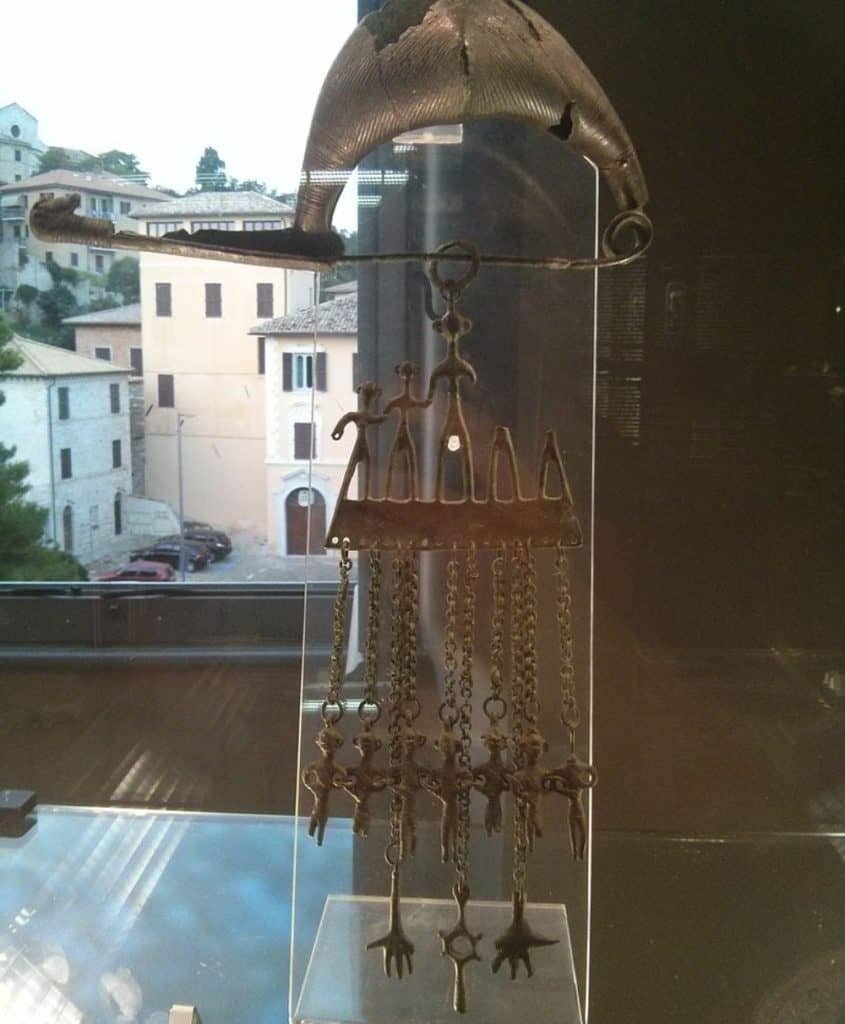
As the team writes in the item of Biology of the genomeThe Picentines – or pending – were a civilization that “flourished next to the middle Adriatic of Central Italy” during the 9th and 3rd centuries BC, as well as a strong artistic culture, the Picestines were also warriors and had the habit of decorating their tombs with articles such as swords and spears.
Read -Ne More:
Picentino’s DNA shows “peculiar” characteristics of ancient Roman civilization
As Eugenia d’Avanasio explains, the author of the study, in a statement, the analyzes showed that the Picentine people “shared a genetic inheritance common with other contemporary cultures and continues with previous Italian cultures” and proposes that much of the population had blue eyes and blond hair.
The team describes the characteristics as “peculiar”, considering that they were less common among other ancient villages in the region, and even to the contemporary population of Italy. The phenomenon can be explained by the largest trade flow and people in Adriatic and Mediterranean seas than in the thread.
“Adriatic populations had peculiar characteristics linked to continuous commercial and cultural exchanges, reflecting a complex mosaic of interactions that shaped the genetic formation of Picentine differently,” adds by Agatasio.