Bacteria were found baptized br4 in samples of soil contaminated by plastic
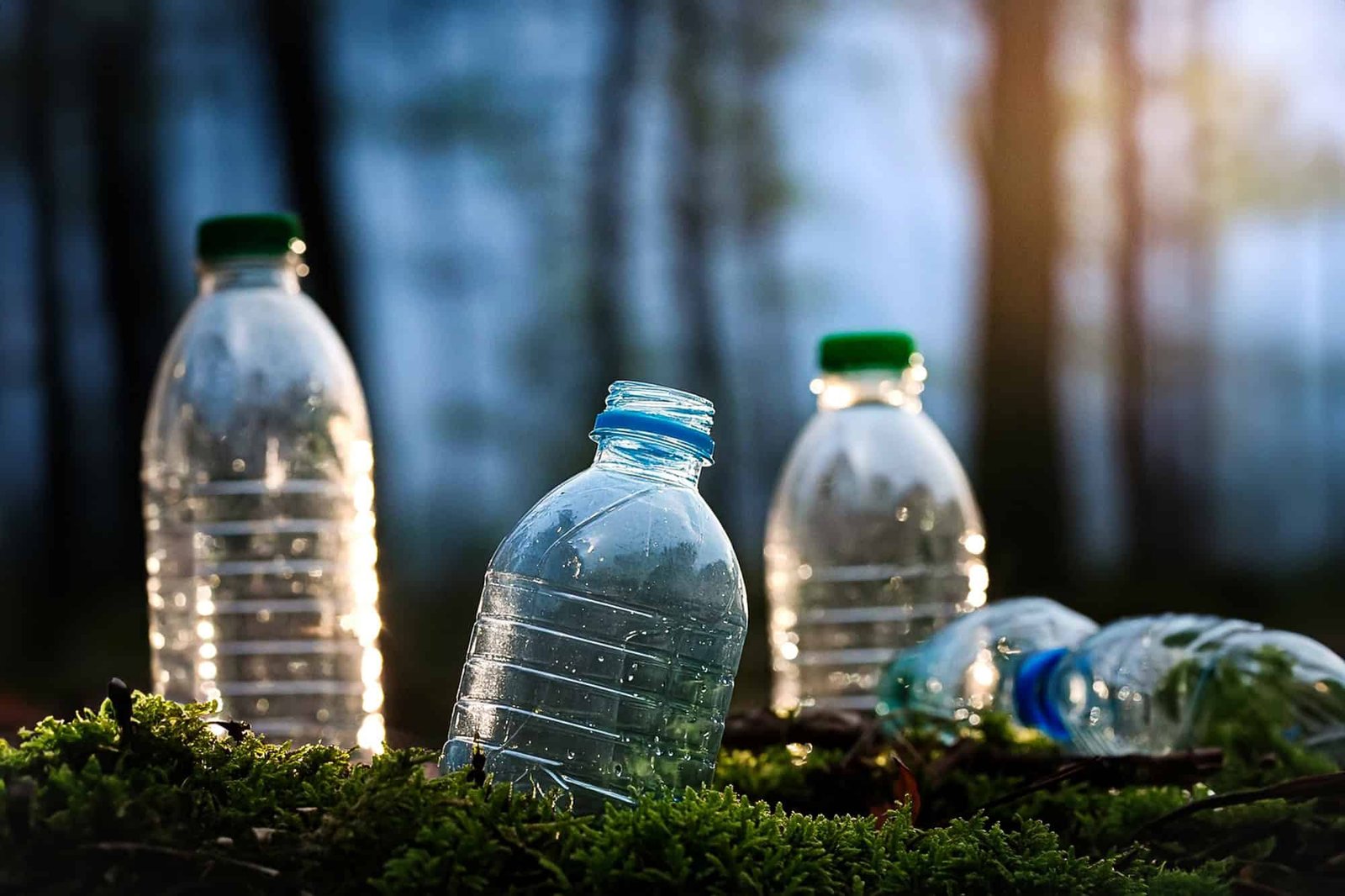
Researchers at the University of Sorocaba, with the support of FAPESP, identified a bacterium capable of turning PET bottles into a high -quality biopolymer.
The news opens the way to a more effective and sustainable solution to the problem of plastic waste.
Discovering the recycling villa
Conventional recycling, according to researcher Fabio Squina, does not solve the problem of plastic effectively, as it produces materials with lower properties.
The new research aims to change this reality, offering a promising alternative to deal with the 350 million tons of plastic that become garbage annually.
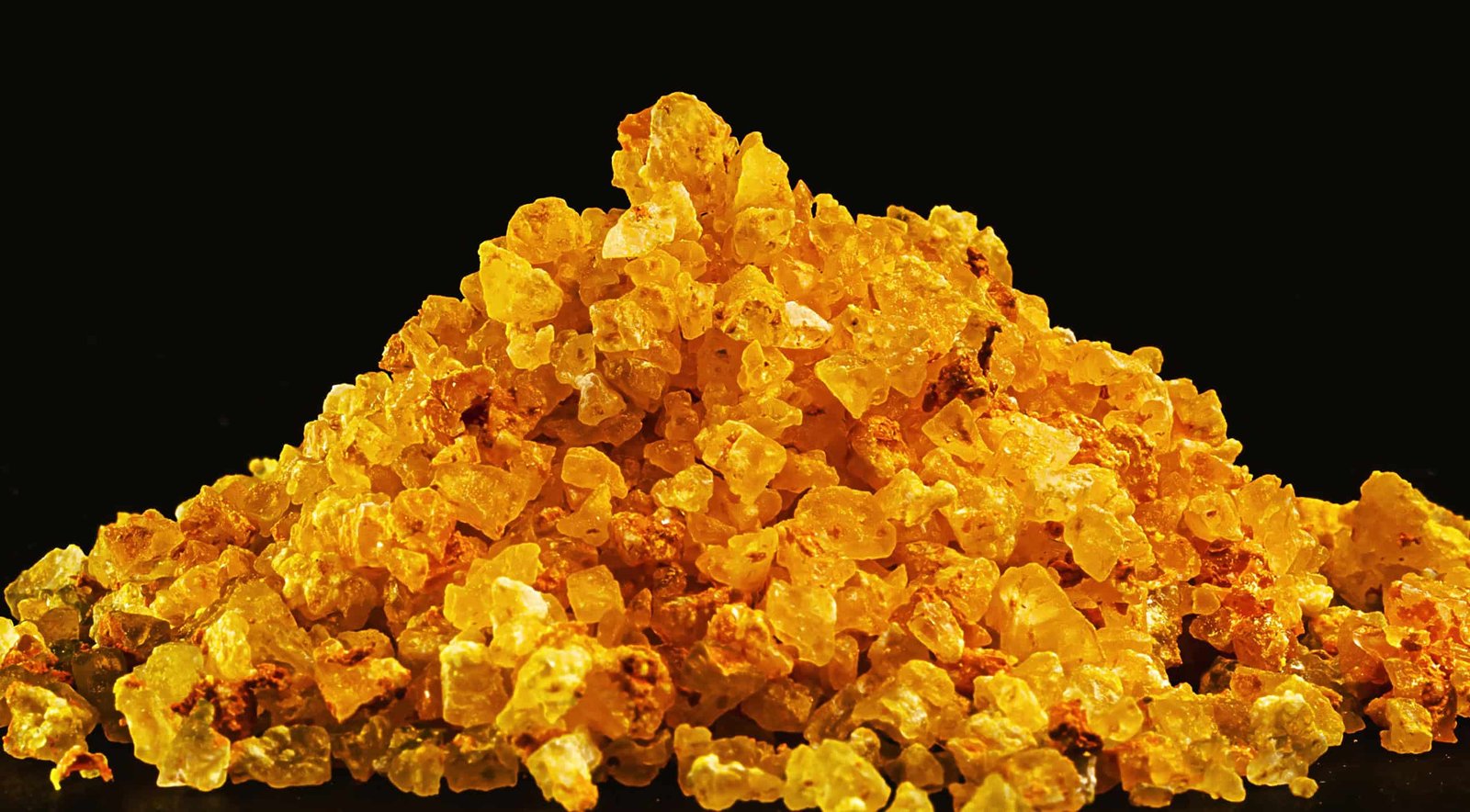
The bacterium, called Br4, was found in plastic -contaminated soil samples. Lineage Pseudomonas spNot only does the pet decompose, it also produces a biopolymer called PHB, which can be used in the manufacture of sustainable packaging and biomedical applications.
To reach Br4, researchers sequenced the 80 bacteria genome, revealing the mechanisms of action of the microorganism in the degradation of polymers. This discovery opens doors for the production of other chemical compounds, with applications in various areas, such as agriculture, cosmetics and the food industry.
Read -Ne more
A healthier future
Research is a significant breakthrough in the fight against plastics and microplastical pollution, which represent a growing threat to marine and terrestrial life. Scientists believe that the same technique can be used to degrade other types of plastics as long as later investigation is performed.
The study was published in the magazine Total environment science and had the support of FapaPaSP.
Gabriel Sergio has a degree in Social Communication from Geraldo di Biase University Center and has been part of the digital writing of the eyes since 2020.