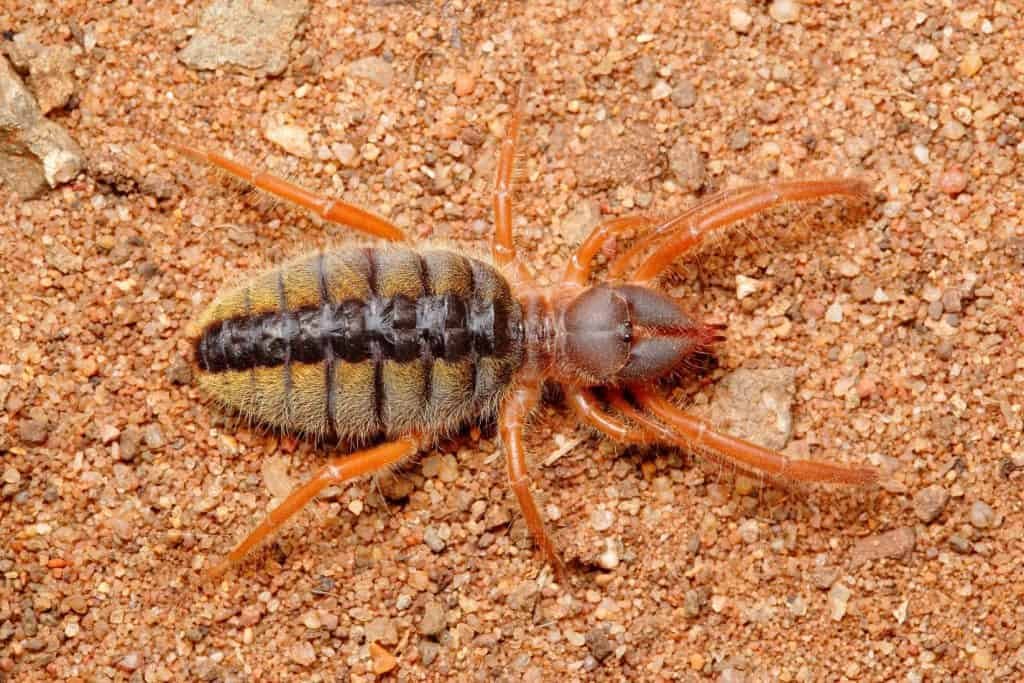
Called Sun spiders or joint scorpions, these animals have a peculiar behavior and are still a challenge for science
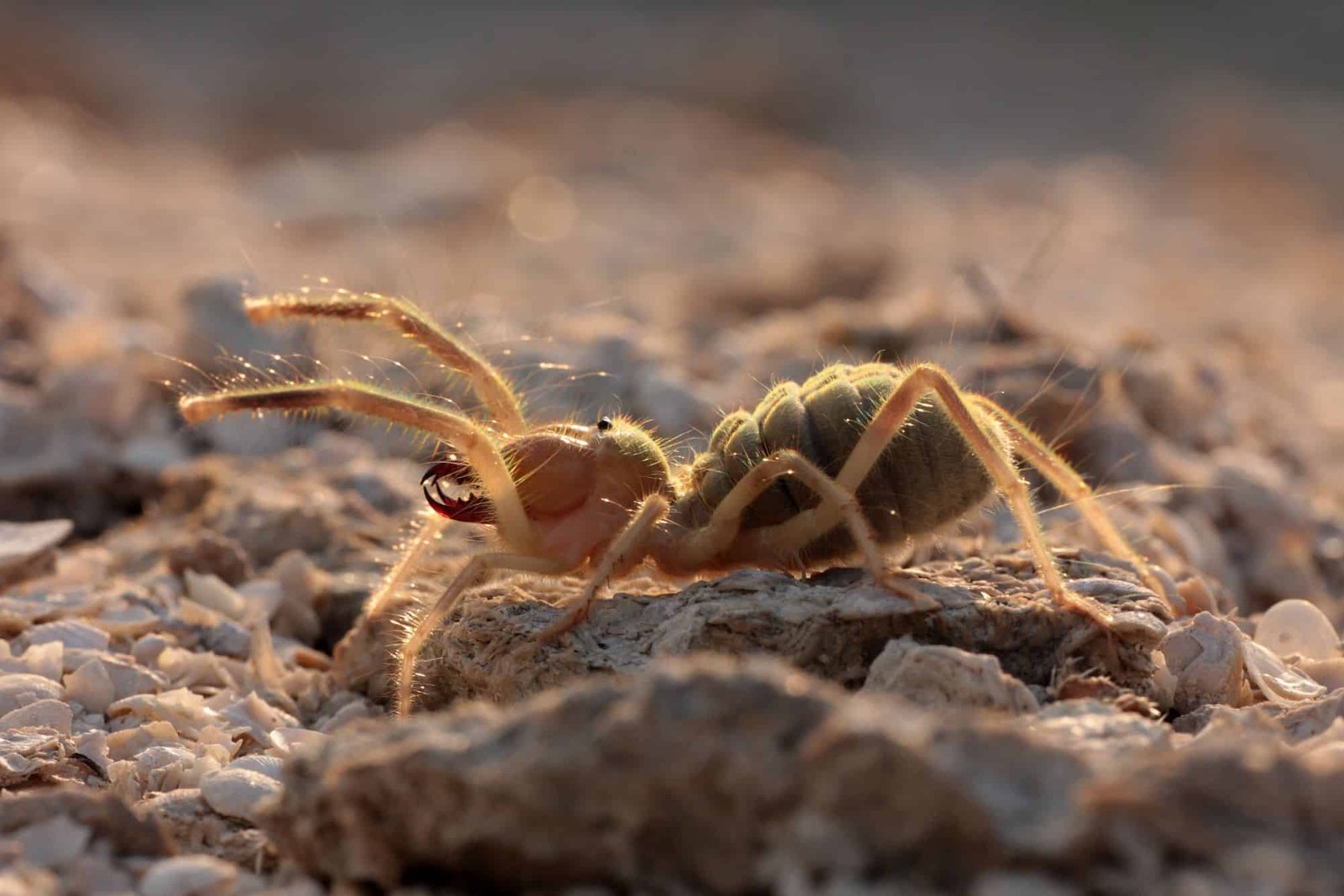
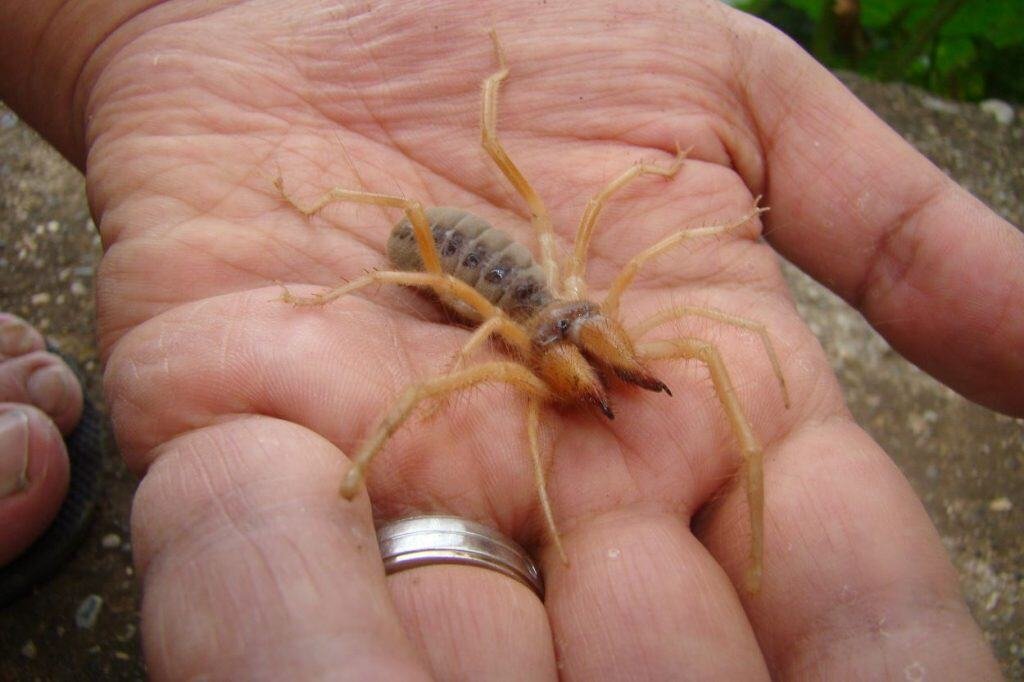
With a frightening appearance, they are neither spiders nor scorpions, but a different order with more than 1,200 known species.
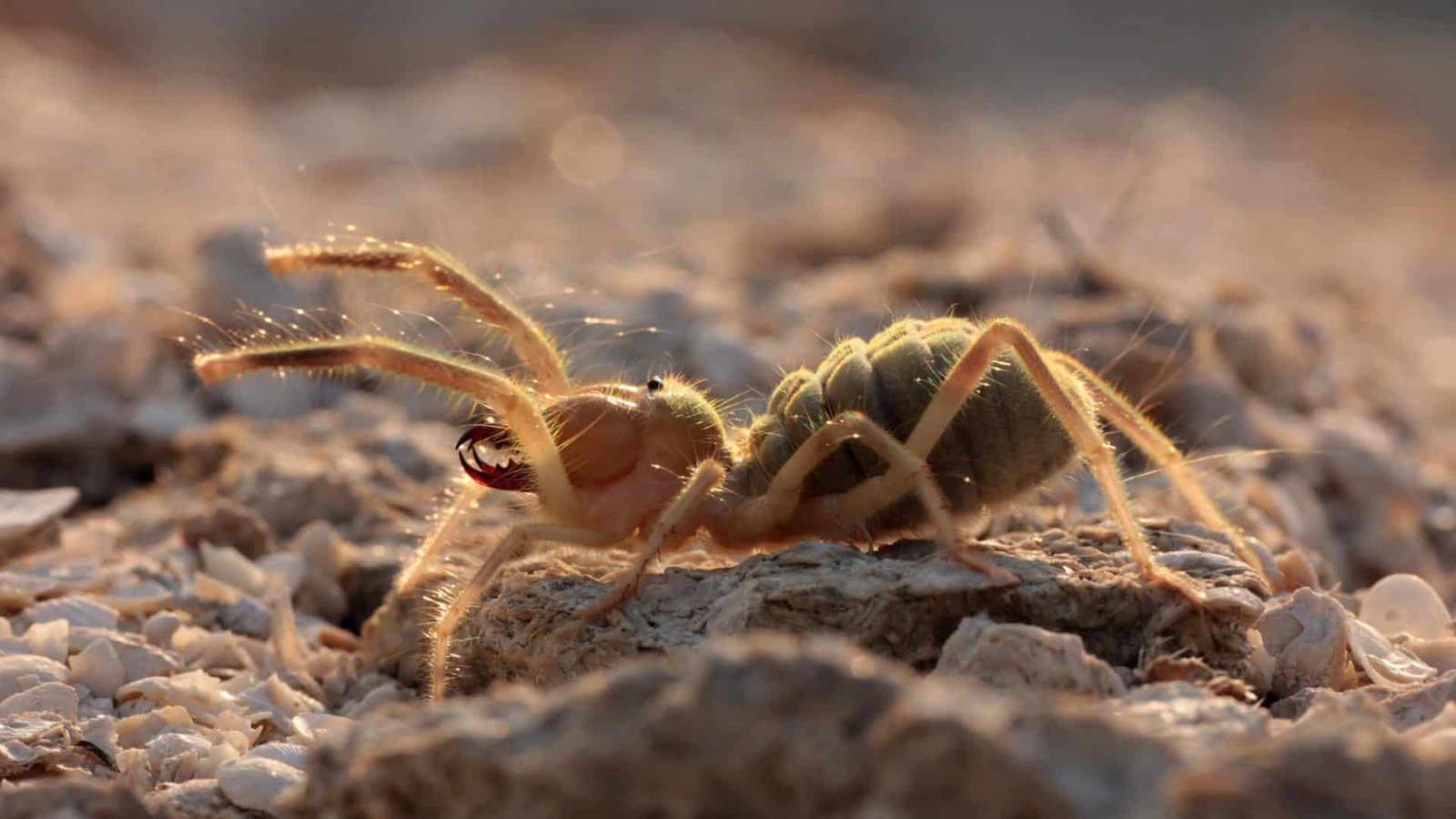
Threatening species
- Described in 1925 by the naturalist Richard Hingston as “monstrous” and “threatening”, the Solifuga remains poorly understood.
- This is mainly due to their night nature, the difficulty of finding them in nature and the low survival rate in the laboratories.
- Typical inhabitants of hot and arid regions, their name derives from Latin sun (Sun) and escape (run away), an allusion to the behavior of avoiding the extreme heat of the day.
- They are considered predators dominant to deserts, with accelerated metabolism and strong jaws, hunting a variety of invertebrates, even other Solifuga.
- Information comes from IFL science.
Read -Ne More:
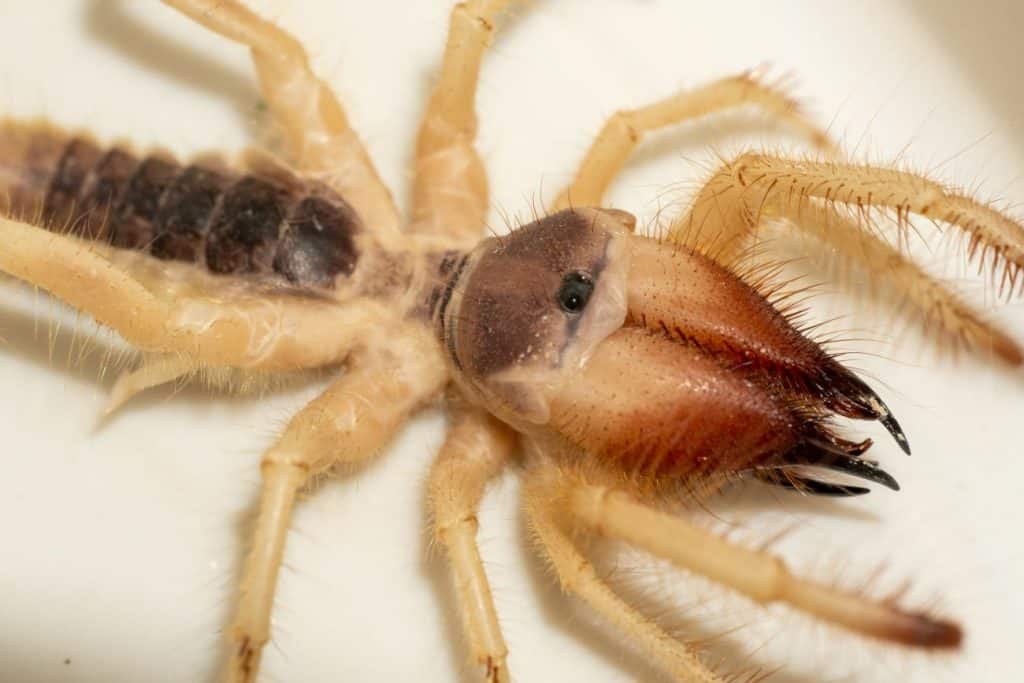
Visually, their elongated pedipalpos, which they use to capture prey and scale surfaces, can give the impression of ten legs. The hair of their bodies are really sensory sows.
The mysteries still remain
Despite their ecological importance, especially as indicators of environmental health, many aspects of their biology, such as reproductive behavior, are still a mystery.
As science progresses, these “forgotten cousins” of arachnids can reveal amazing secrets about life in the most extreme environments on the planet.