
Many times when it wakes up in the morning, it is possible to find a meteorological phenomenon that leaves the blurred city, as if the clouds had left a path on the streets and the horizon. And a common question tends to emerge: what is the difference between a fog, fog and fog?
These are quite common atmospheric phenomena in autumn and winter and, contrary to popular belief, they are not predictive of rain or drop, on the contrary, they are meteorological signs that signal time and open time.
Is there any difference between fog, fog and fog?
The short answer is yes. Although similar, there are differences between these meteorological phenomena, and the main one is the intensity of moisture, as the fog is a cloud with small droplets of water that descends near the ground.
The perfect scenario to create these cloud sheets is the day before, more specifically at night. The cleaner the time at dawn, the more likely the dawn’s fun sky. High humidity levels also contribute to the appearance of this meteorological phenomenon.
The fog, the fog or the fog usually appear in the morning, before the sunrise, as the warming caused by the star king of the solar system dissipates these sheets of cloud.
Read -Ne More:
Fog and fog
The fog and the fog are synonymous, it is the same meteorological phenomenon, although the fog is a more technical name, and the fog is a more popular nomenclature. For its appearance, the humidity of the air must be high, above 90% according to the information of the weather.
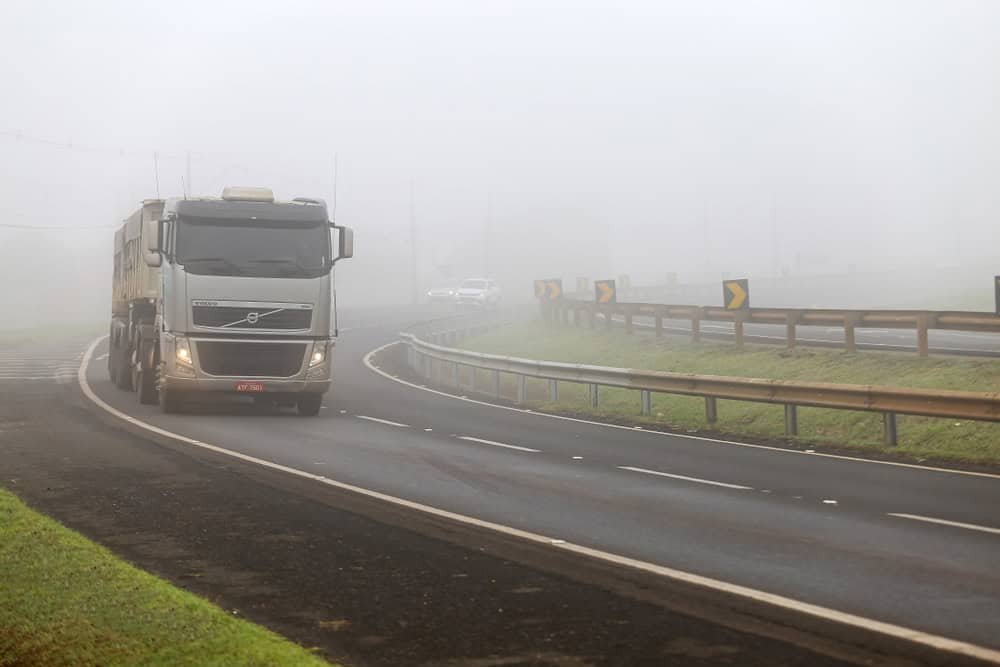
The main feature of the fog is to be denser, causing a faster fog that deteriorates visibility with more intensity. To get an idea, horizontal visibility is less than one kilometer. It is not surprising, often interferes with land traffic and airport flow.
The fog is quite common in the southern and southern regions -east of Brazil, and is also found in the mountain ranges, valleys and coastal regions where it usually arises more intensely due to the high moisture rates in these regions. The weak wind or its absence are also factors for fog formation.
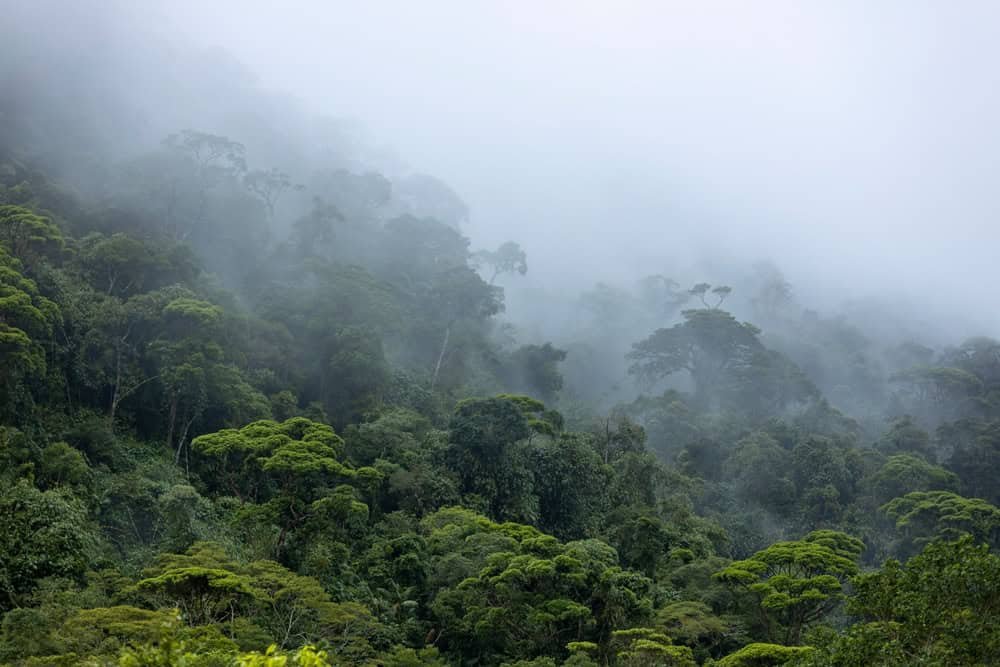
Mist
The fog is a meteorological phenomenon softer than the fog, not even disturbing visibility. When it arises, visibility ranges from one to five kilometers away. For its appearance, air moisture must be less than 80%.
Another existing phenomenon is dry fog. As the name implies, it occurs due to low humidity of the air, usually less than 30%, even considered harmful to health according to the World Health Organization (WHO), which indicates the ideal standard of 40% to 70% for the human body.
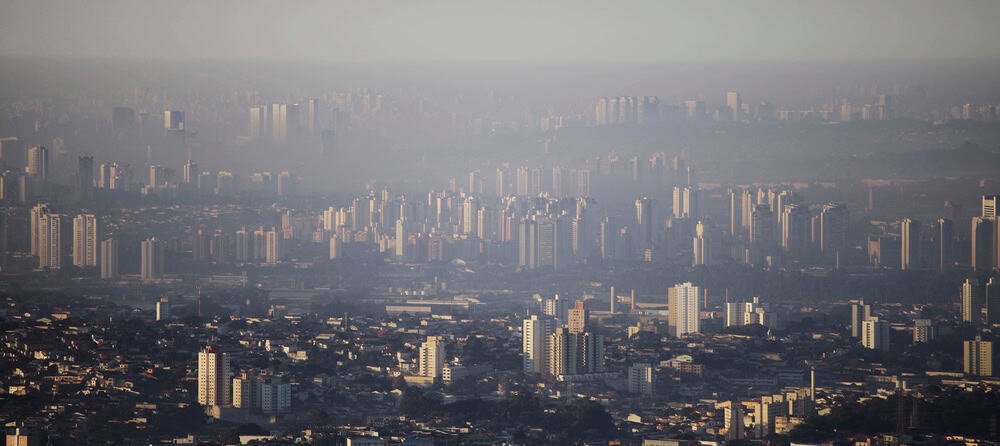
Dry fog usually contaminates and arises mainly in dry stations and contains in its dust composition and smoke particles caused by forest fires, for example.
High pressure systems also promote the appearance of dry fog as they press the upper air down, concentrating the polluting layers in the lower part of the atmosphere.