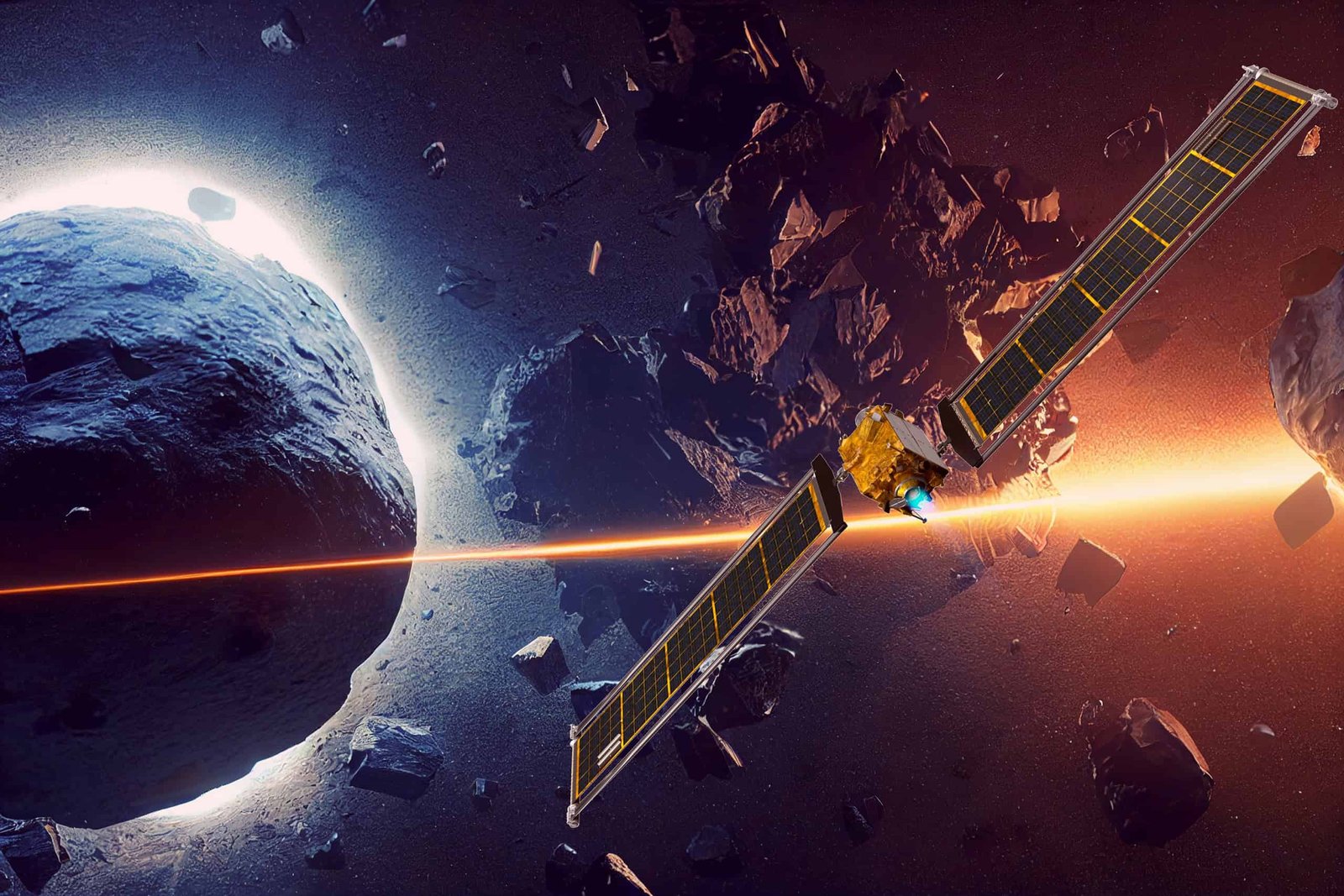
On September 26, 2022, the impact of the Dart of the NASA spacecraft (English), NASA, with an asteroid binary system was a great milestone for astronomy.
Lunched in November of the year before Doymos, a diameter of 780 meters in diameter and its small dimorphos, almost five times smaller, the mission, managed by the Applied Physics Laboratory of the University of John Hopkins (APP), represented a new and daring approach to defend the land of dangerous asteroids.
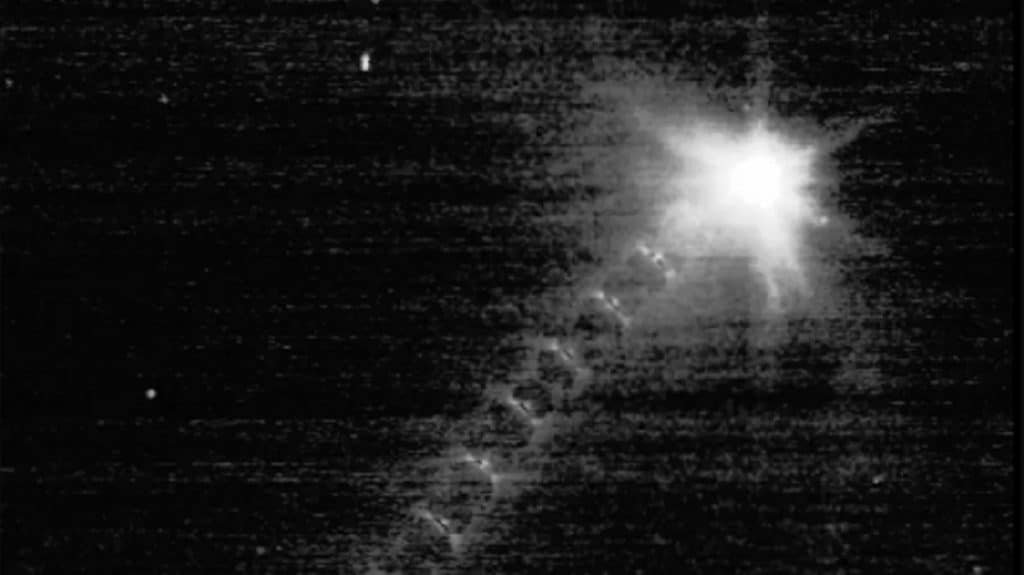
Exactly, as planned, the spacecraft was able to collide with dimorphos about 24,000 km/h, to try to change the trajectory of the heavenly body, which was later confirmed to have been successfully performed.
Although neither dimorphos nor didymos were in a collision with the Earth, the procedure was a planetary defense test through the kinetic impact technique, a method that could finally protect us from the attack of another object that can offer some potential risk.
Space Look receives Brazilian who participated in Dart’s mission
To find out details of this unprecedented mission and know all the news on the subject and what post -period studies have been revealing, do not miss the Space Look program this Friday (27).
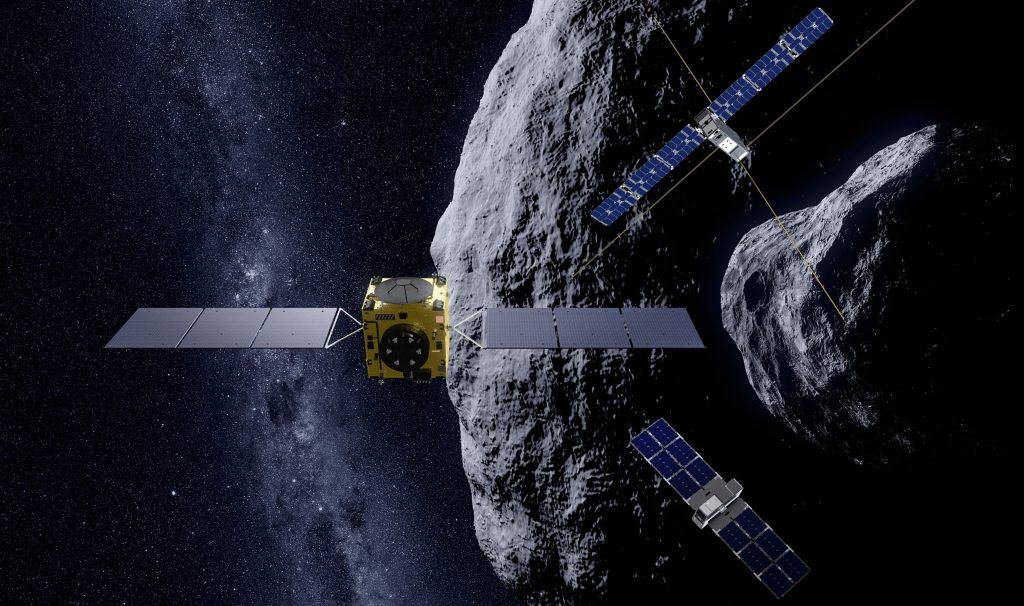
The guest tonight is Gustavo Oliveira Madeira, a Brazilian scientist who was part of the Dart team and is currently a member of the Hera mission of the European Space Agency (ESA), a kind of “continuity” of the American mission, which will carry out detailed research. at the place In dimorphs and didymos, with a special focus on the crater left by the collision of the spacecraft and a precise measure of the mass of the affected asteroid.

Doctor in Physics at the State University of Paulista “Júlio de Mesquita Filho” (UNSP), with a degree of postdoctoral at the Institut de Physique du Globe in Paris, France, is currently an assistant researcher at the National Observatory (On).
Your research aims to contribute to the understanding of the training, evolution and composition of solar system objects, as well as those of exoplanetary systems. With a solid basis in the study of smaller satellites, rings and satellites, Madeira had its contributions to the Wagner Senin Award in Dynamic and Planetary Astronomy and the Best Unesp Thesis Award in 2024.