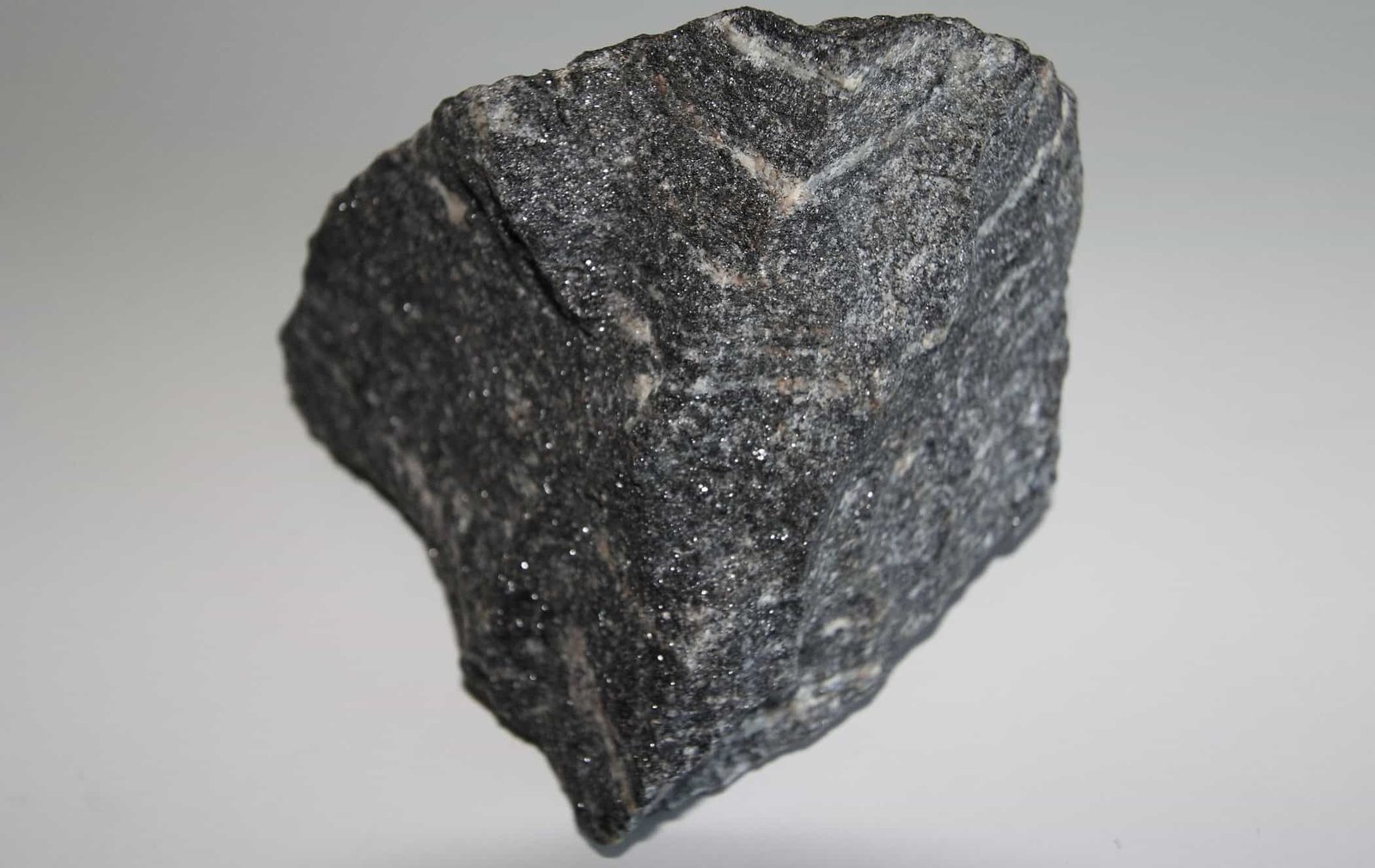
Minerals hidden inside the oldest rocks on Earth help discover the period and the conditions of their training
Understand:
- Minerals hidden in the oldest rocks in the world help reveal secrets about their training;
- Zircão can help identify the rocks formed by refrigeration of magma, for example, billions of years ago;
- To make an idea, the oldest rock discovered on Earth so far is about 4.28 billion years, and its age has been determined thanks to an old element found in a sample of Zircon inside;
- With information of Ifl Science.
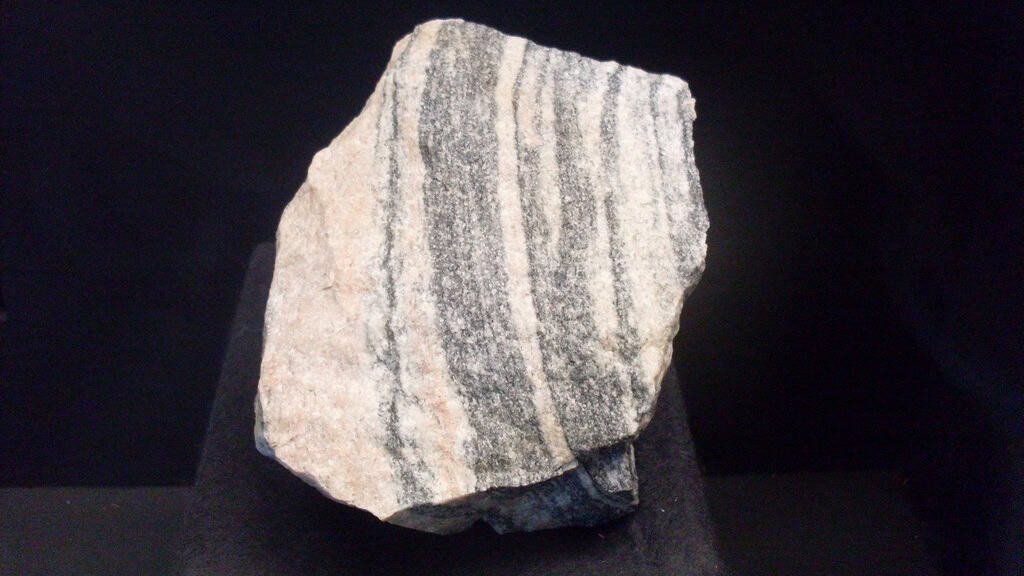
Analyzing the interior of the rocks, scientists can discover details about their training. For example, some of the largest emerged at the bottom of the ocean, with thin particles pressed and transformed into several layers of sedimentary rocks. Others, such as the Gennasse de Acasta, came directly from the magma and left the earthly mantle.
Read -Ne More:
The secrets of the oldest rocks on Earth
Inside the igneous rocks (formed by the cooling of the magma), we find crystals called zircons, as thin as a human hair. Zircon is very resistant and can support geological events and even capture radioactive elements. And it is in tiny crystals like this that hide the chemical characteristics of the rocks.
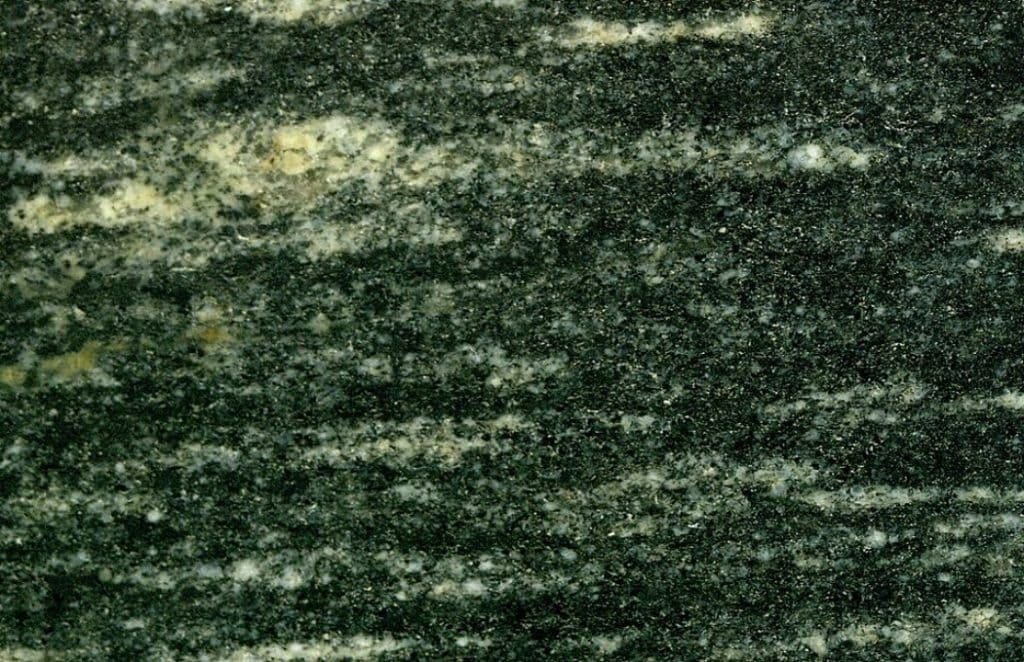
“If I have a metamorphic rock, I can use the types of minerals and their chemistry to determine the conditions that the rock has experienced at some point in its history. For example, a temperature of 700 ° C and a high pressure of several thousand times that in the atmosphere implies that it has been deeply in the crust at some point in its geological history,” says Darrell Henry, a professor of geology, Music American of History of Natural History.
At the Green Roca Belt Nuvvuagittuq, also located in Canada, for example, a sample of Zircon taken from a rock revealed the presence of an element formed in Samário 146, which no longer exists. As a result, scientists estimated the age of the rock at about 4.28 billion years, the oldest on Earth until then, as registered in the book of registrations.