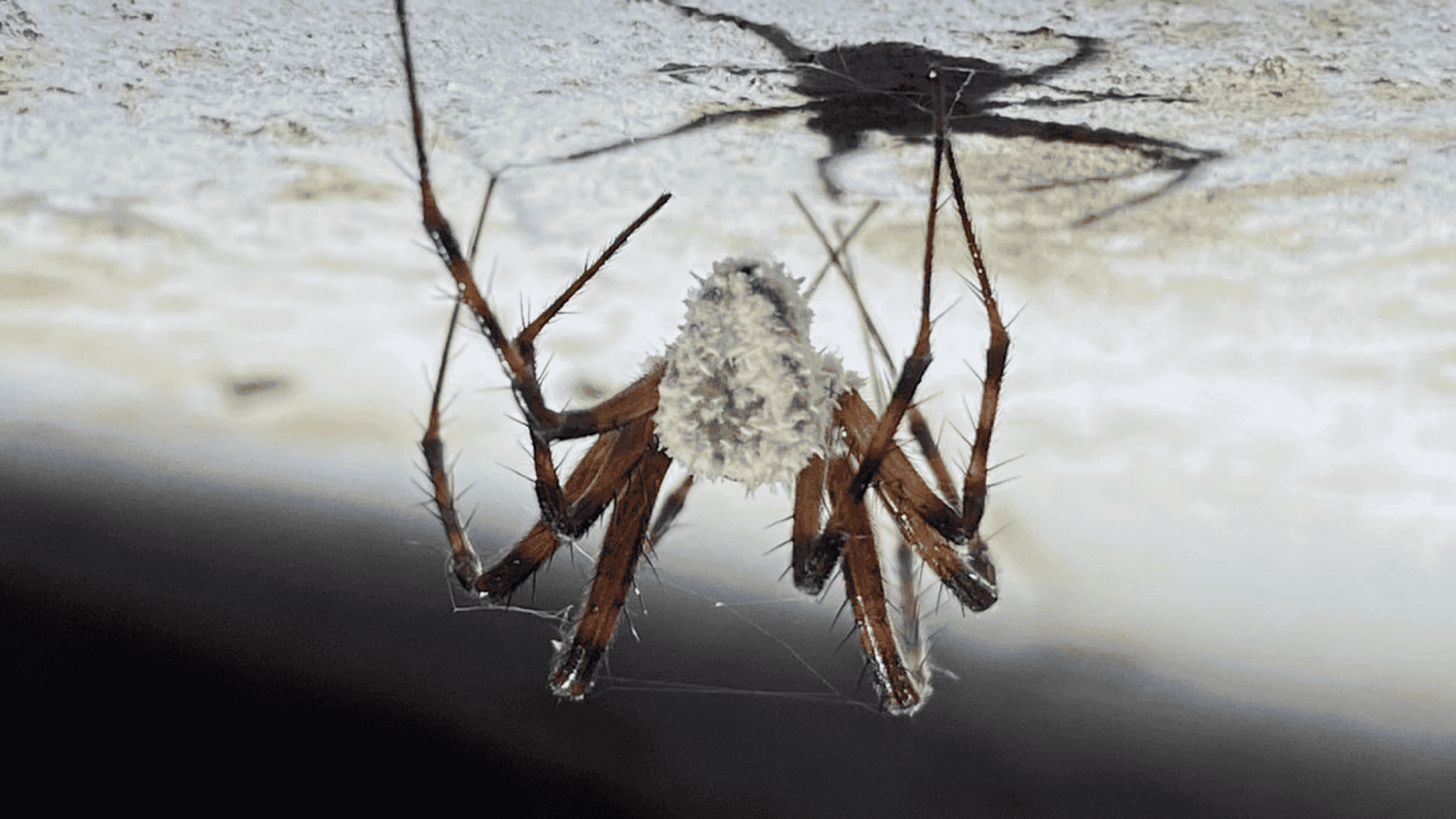
Called gibellula attenboroodii, the fungus is able to take control of spiders and feed -slowly
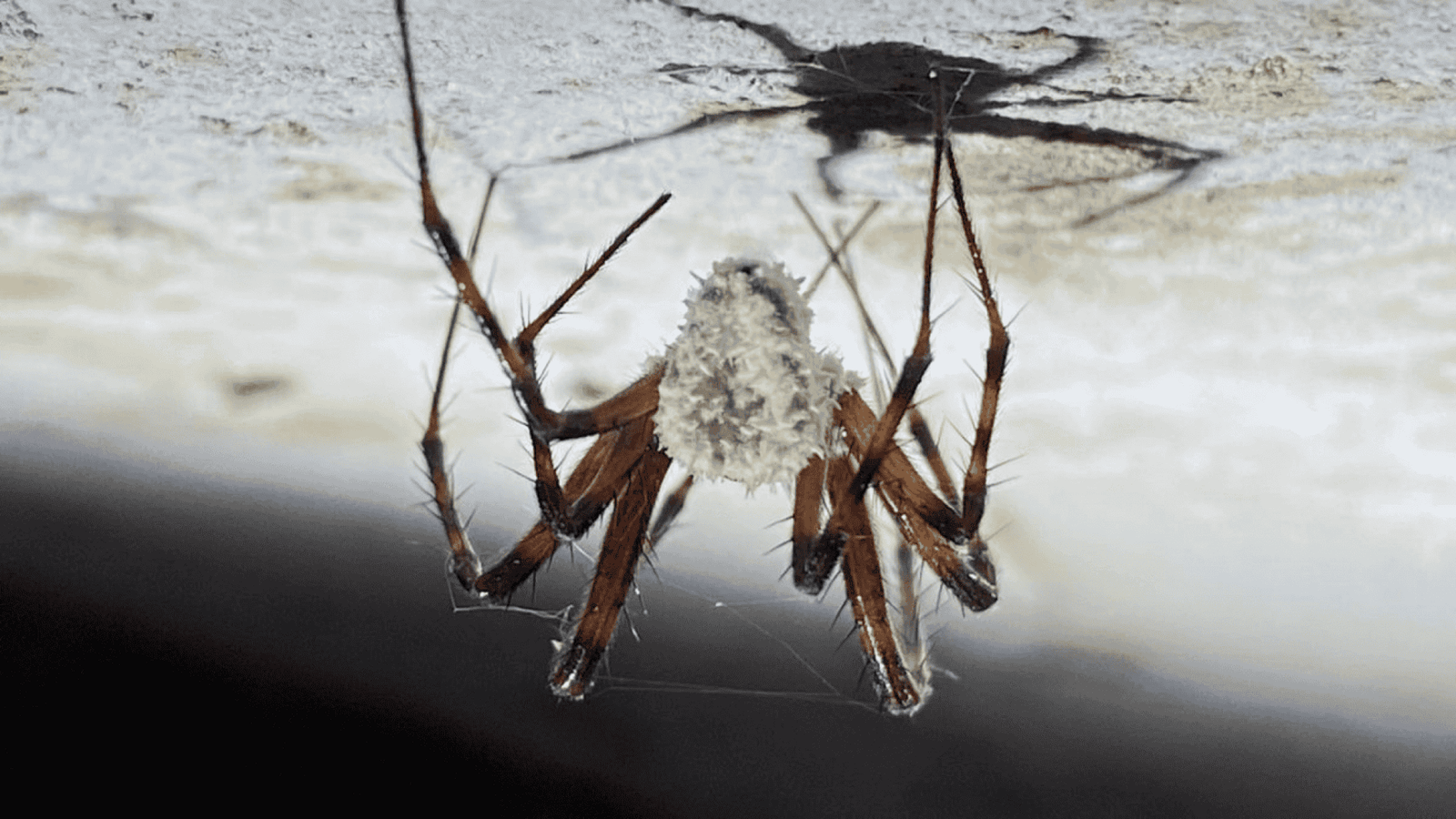
The work of scientists from the Denmark Natural History Museum and the Kew Royal Botanical Garden in the United Kingdom began after the first record of this fungus. This time, a spider appeared in Northern Ireland during the BBC’s Winterwatch series filming.
Fungus forces animals to expose —
The researchers took the fungus for analysis and confirmed that this was an unknown species. She was named Gibellula Attenboroughii in honor of the famous speaker and historian David Attenborough, a pioneer in the BBC’s nature programs.
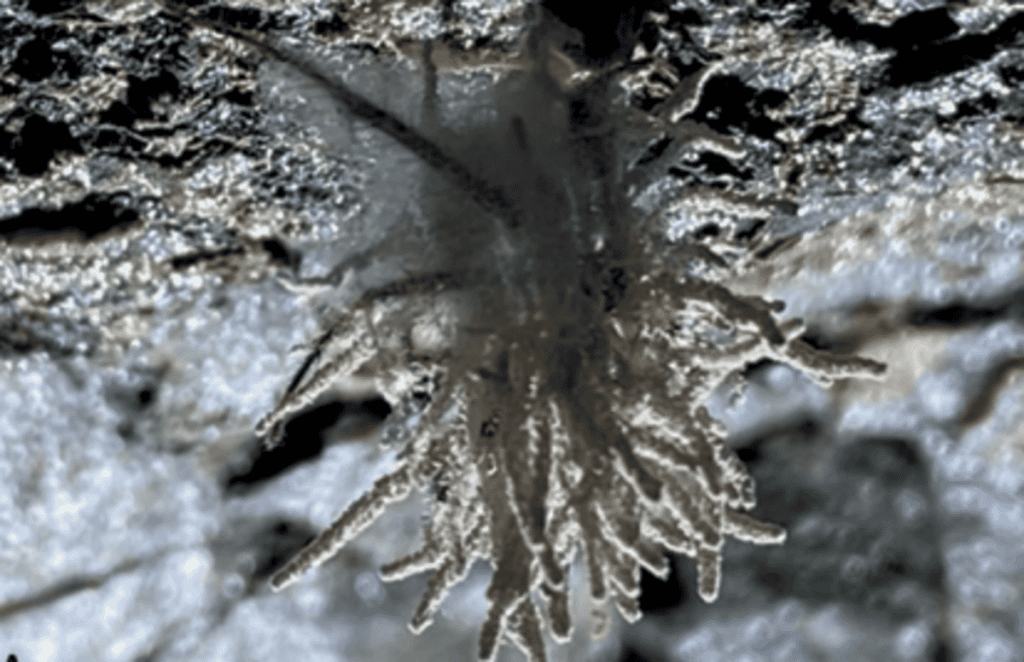
All infected spiders were found on the walls or on the roof of the cave, which is considered unusual. These animals are generally hidden in burrows, cracks and holes. However, the fungus forces the creatures to leave these places and to expose it.
The whole process occasionally occurs on the part of the spider, which turns out to be only a means of G. Attenboroodii to proliferate. The conclusions were described in a study published in systematic and evolution of fungi.
Read -Ne more
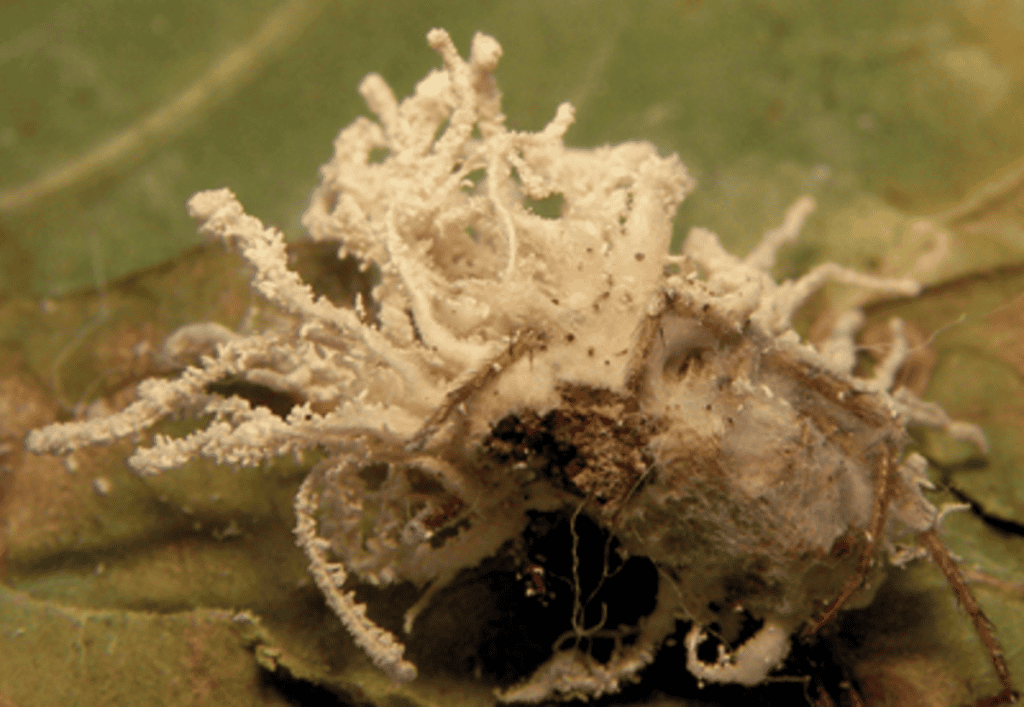
How does infection occur?
- According to researchers, the fungus evolved along with caves spiders.
- The spores of G. Attamboroughii penetrate the animal and infect the hemocele, a cavity that contains the blood equivalent of invertebrates.
- As Arachnid finally leaves the Burrow, a toxin begins to occur.
- After the death of the spider, the fungus uses appropriate antibiotics to preserve the corpse, as a kind of mummy while absorbing all its nutrients.
- This is where the last process begins: G. Attenborangii uses the insect to disperse its spores in the environment, guaranteeing its reproduction.
- Despite the slightly terrifying capacity of the fungus, scientists believe that they can use it for medicinal purposes in the future.