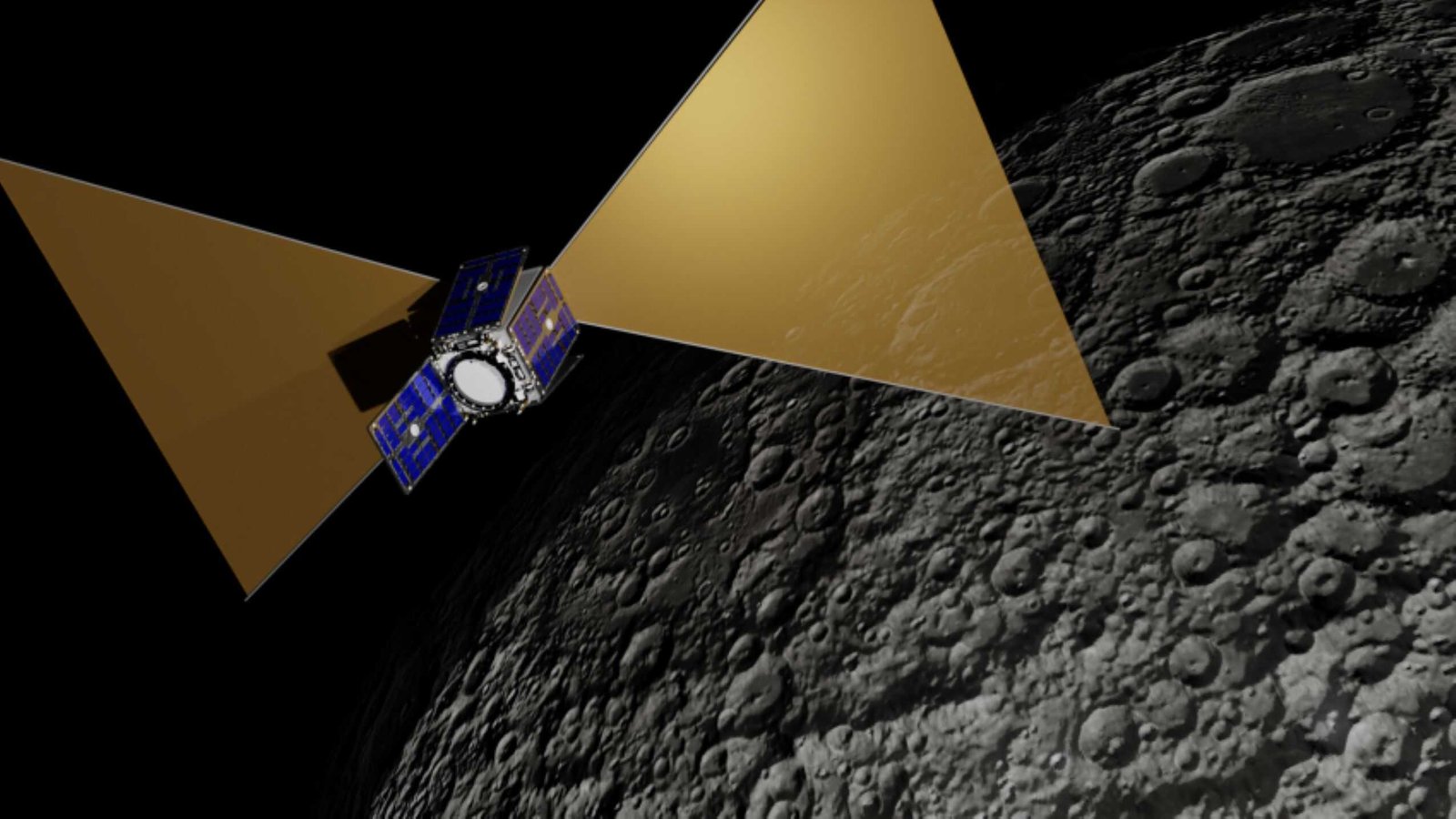
Astronomers are planning to throw a satellite next to the Moon to discover new information about the “Cosmic Dawn” – The first millions of years after the Big Bang. The group presented the project Wednesday (9) during the National Astronomy Meeting (NAM) 2025, coordinated by the Royal Astronomical Society, in Durham, England.
The mission, called Cosmocubis directed by UK Space Agency In a consortium with researchers from the universities of Cambridge and Portsmouth, as well as the Rutherford Appleton laboratory, operated by the Council of Science and Technology Installations (STFC Ral Space). The captured data can give clues to the origin of the universe and as cosmic structures, such as galaxies and stars, have been formed.
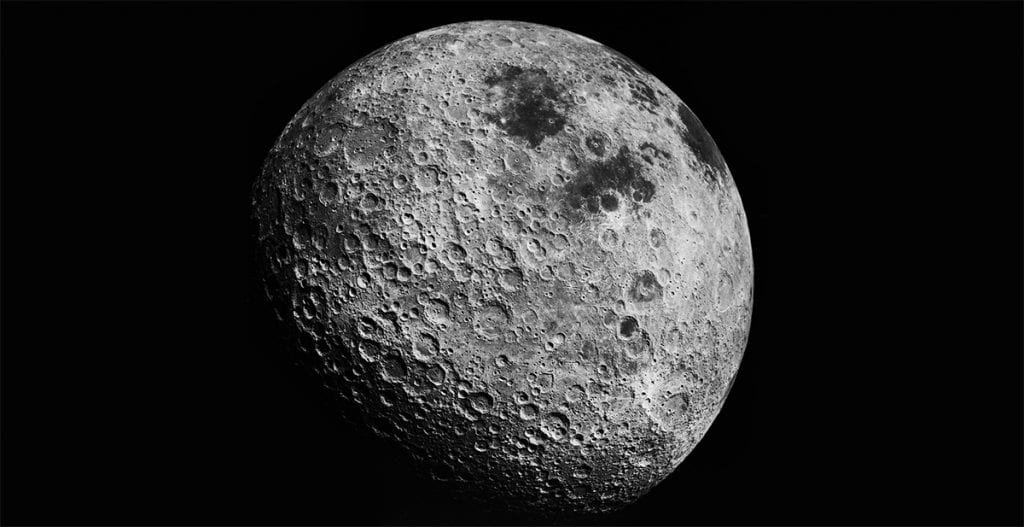
The mission will need the silence of the moon
To detect the signs of the primary universe, scientists need silence. The Earth is a place full of radio signals, as well as having the interference caused by the atmosphere, factors that would make it difficult for research.
“It’s like trying to listen to a whisper while a noisy show on the door next door,” said Eloy de Lera Acedo, Radio Chief and Cosmology at Cambridge University, a member of the Cosmocube team in a statement.
“This makes it very difficult to capture excellent signs of billions of years. To detect a special radio signal that comes from hydrogen, the first most basic and most abundant chemical element, in the primary universe, we need the place to be silent,” said Amedo.
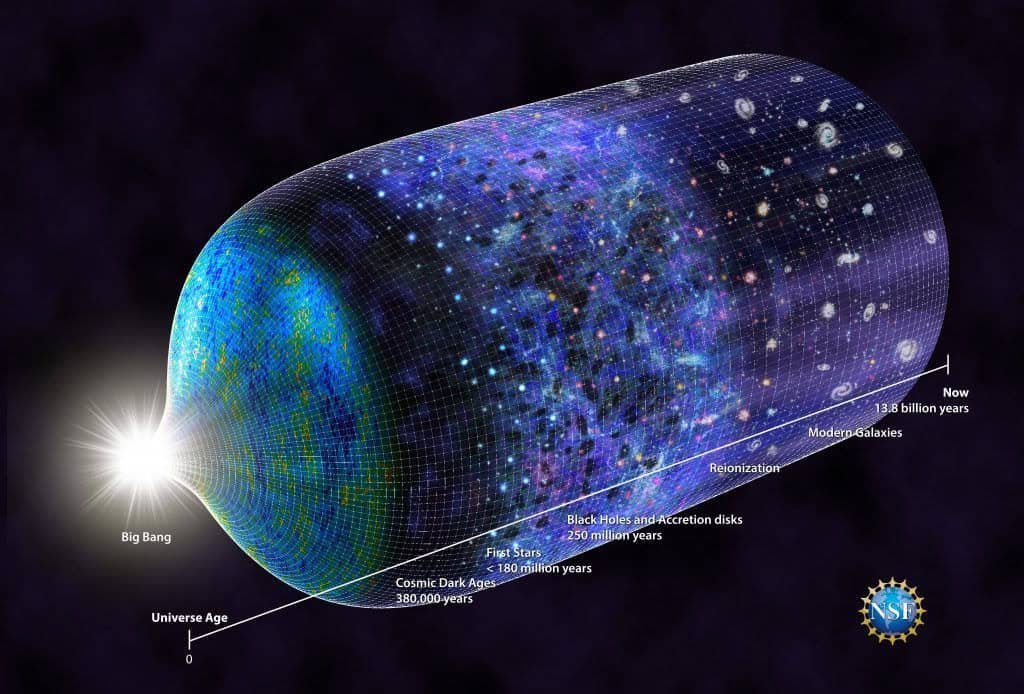
Therefore, the group intends to detect signals on the hidden side of the moon, which acts as a giant shield, blocking the noise of the Earth’s radio. There, the “Whisper ancestral”As researchers define, new information on the beginning of the cosmos can be captured and revealed, a period still little explored.
“In doing so, Cosmocube intends to help us better understand how our universe has become a simple and dark state for the complex and light cosmos we see today, with all its stars and galaxies,” said the teacher.
Read -Ne More:
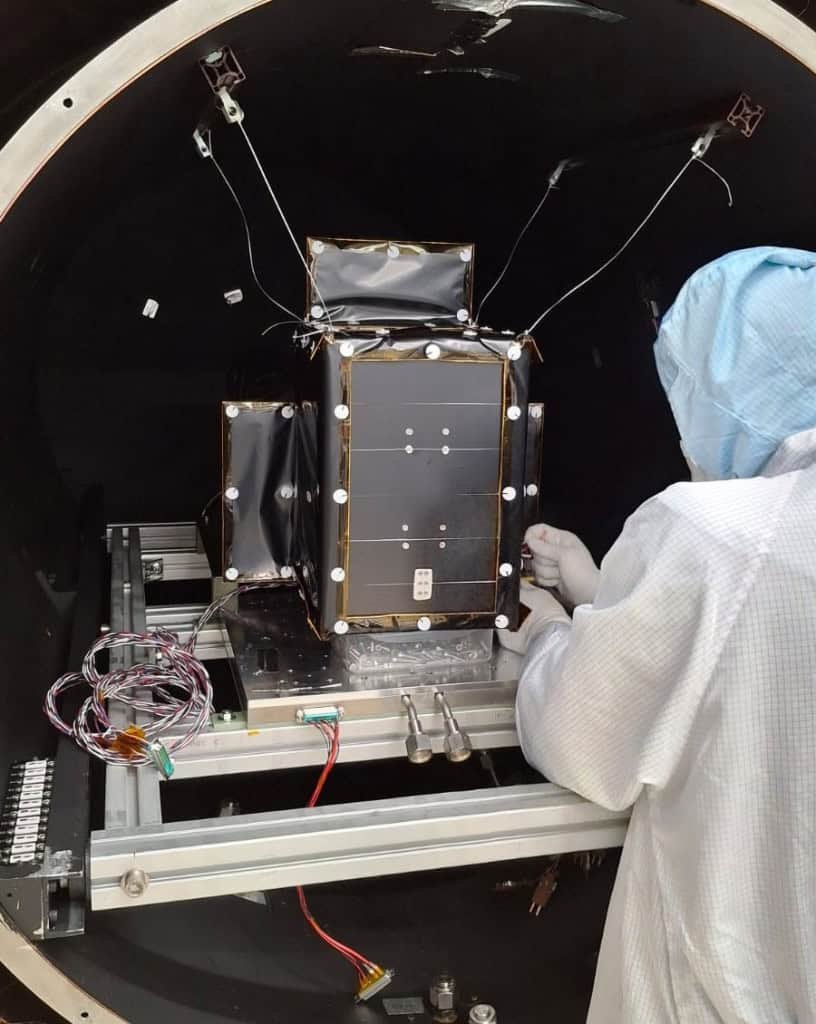
The satellite is already under development
The satellite will have a high precision radiometer equipment that will capture low frequencies (10-100 MHz) and can detect extremely weak radio signals.
Cosmocube can provide new data to the Hubble tensionwhich is the difference between the expansion measures of the universe. In addition, you can also reveal information about the Dark matter and the period known as “Dark Ages” From the Cosmos, when the first stars had not yet emerged.
“It is amazing to what extent have these radio waves traveled, which now come with news from the history of the universe. The next step is to go to the silent side of the moon to listen to this news,” said Portsmouth professor David Bacon.
The satellite is now developing, with the first already operational prototypes, ongoing tests and collaborations with the industry for the production of both the space platform and the Mission Plan. The team plans a launch script for 4 to 5 yearswith the aim of reaching the orbit of the Moon before the end of this decade.