
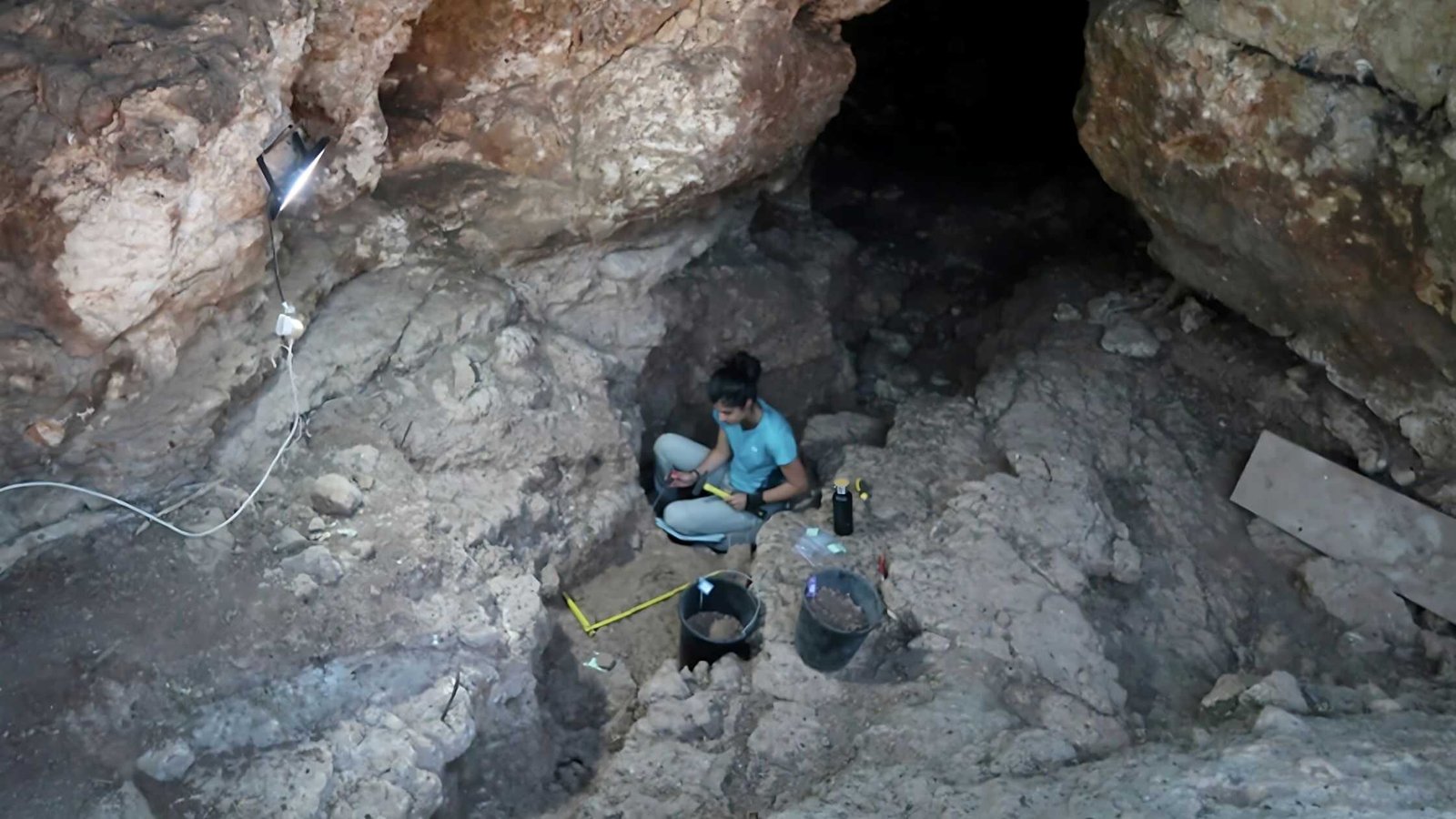
Archaeologists have explored what they believe is one of the oldest cemeteries in the world: Tinshemet caveIn Israel. The place maintains human remains with more than 100 thousand years And you can give clues when we start burial.
The latest discoveries were published in the magazine Nature of human behaviorIn March of this year. Researchers found the remains of five primitive humans, being Two complete skeletons – they were in a fetal position, known as a burial positionAccording to scientists and Three isolated skulls with bones and teeth.
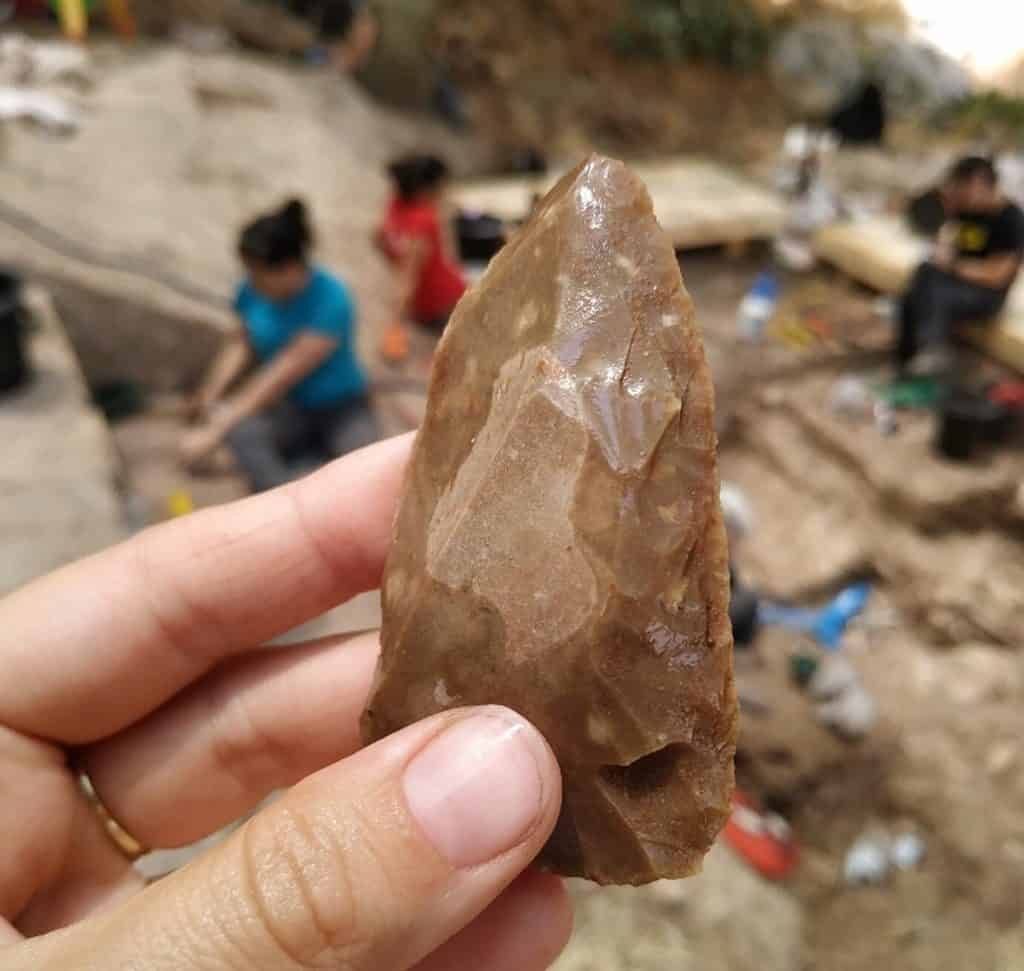
The team was surprised to know More than 500 different pieces of reddish and orange Near the dead. This pigment is created by the warming of iron -rich rocks, which would be evidence that prehistoric humans already had techniques for decorative objects.
The study revealed that these artifacts were made with materials found hundreds of miles away from the cave. Therefore, researchers believe that they were part rituals designed to honor the deceased.
Read -Ne more
The cave is a trip to the Paleolithic
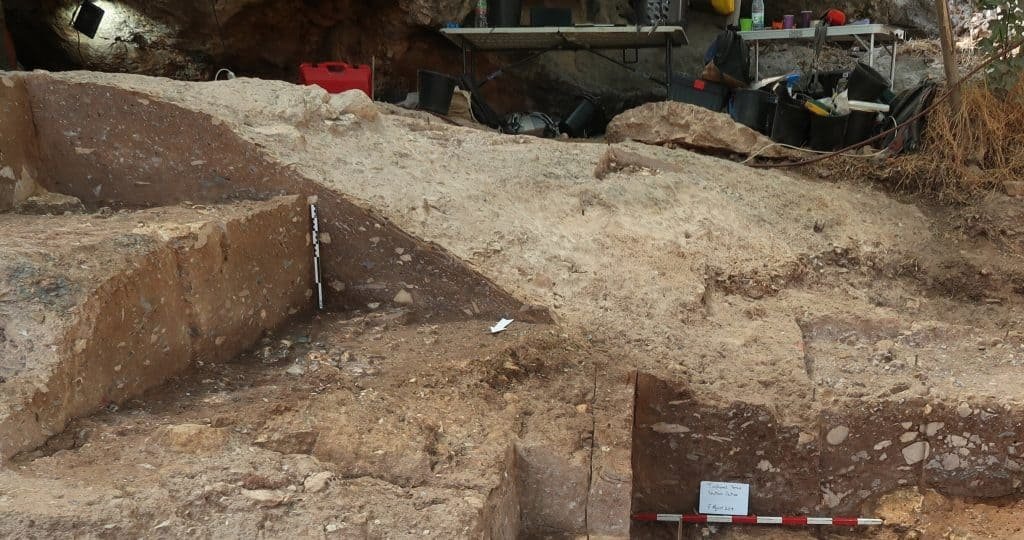
Tinshemet’s excavations began in 2016 and took place every year during the summer months. This year, the site has a team of college and postgraduate students who are investigating the site and documenting their findings. At the entrance to the cave, a skull slowly leaves the rock still intriguing this group. According to experts, it will take years until this bone structure is completed.
Researcher Yossi Zaidner, one of the councilors of the excavation and professor of archeology at the Hebrew University of Jerusalem, describes the place as “one of the three or four most important places for the study of evolution and human behavior during the period. PaleolithicSaid in an interview with the agency Associated press.
More precisely the date of the Tinshemet cave Was mid paleolithicapproximately between 250 and 30 thousand years ago. This period is popularly known as StoneBecause it was marked by the use of the first stone tools by human groups.
The site is recognized internationally by Good degree of preservation of their artifacts and remains. This is due to the ash of bonfires frequently made inside the cave, probably for rituals. These particles were mixed with the rainfall and the acid limestone of the region, which they created Ideal conditions for conservation.
Discovering increases the debate on the origin of burial cultures
Discovering in the site led to the scientific community to love Burial practices may have begun about 100,000 years agoAlso marking the appearance of a culture dedicated to the care of the dead.
“Here we see a set of really complex behaviors, not only food related and survival,” Zaidner said.
However, there are researchers who argue that burial rituals have already begun earlier. Evidence found in South -Africa, described in a 2023 study, suggest that species Homo naledi It may intentionally have deposited his death at the caves about 200,000 years ago.
The possible funeral practice of these hominids, however, is still the goal of intense debates in the scientific community. Other experts and some of the article critics consider the insufficient evidence and indicates the need for new findings that confirm this hypothesis.
Excavations in the Tinshemet cave are still underway, and new clues to the origins of early culture and early human societies may still be revealed. The findings that have been made so far offer valuable tests on how our ancestors treated their dead and how these practices left deep marks during the millennia.