
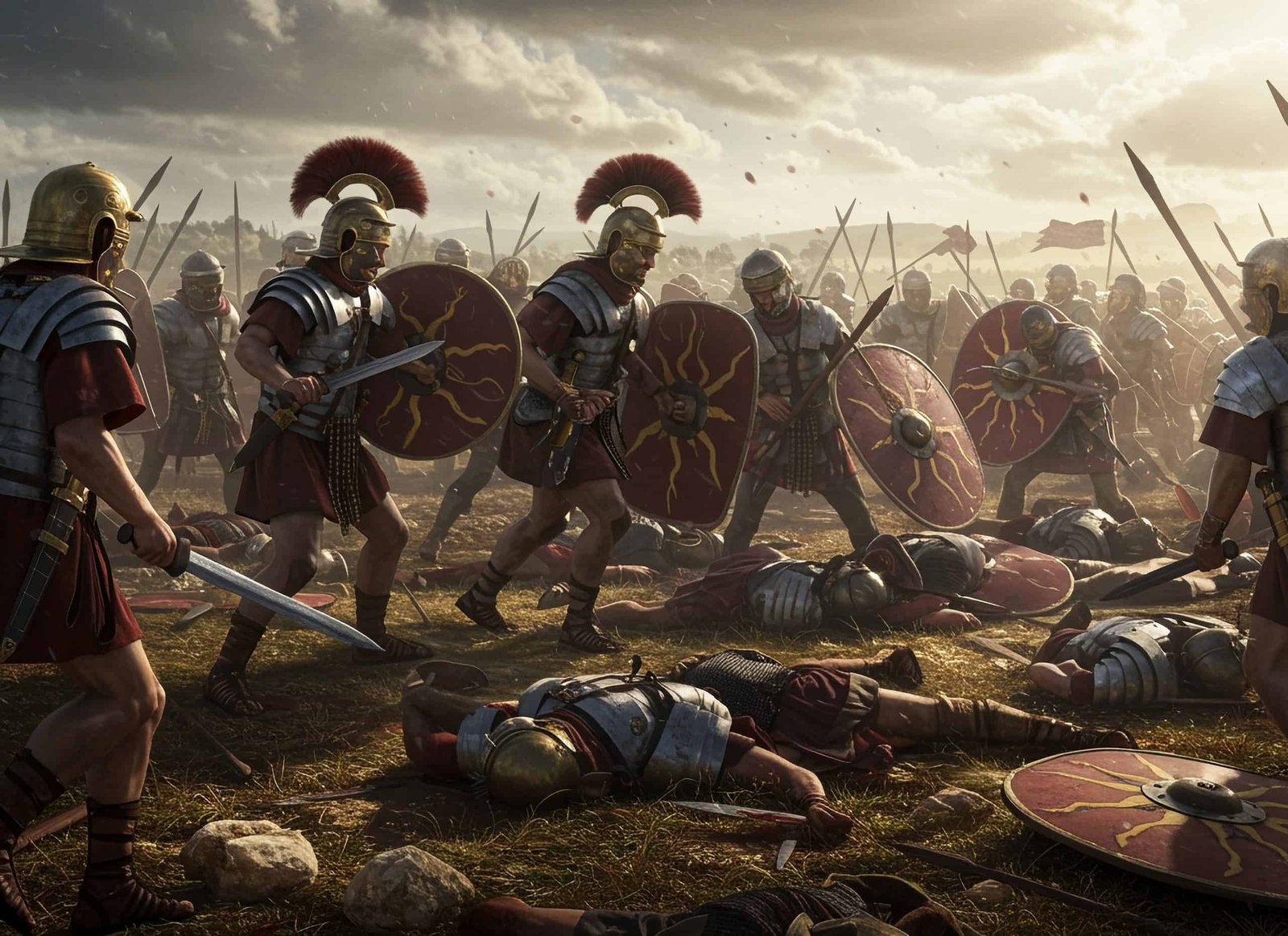
The workers discover the ordinary ditch with warrior skeletons on the Vienna football field, revealing a catastrophic event of the Roman Empire

According to the news agency AP NewsThe skeletons were messy and intertwined, suggesting a violent death in the battle. According to researchers, men were between the ages of 20 and 30 and were compatible with swords, spears and projectiles. It is believed that they have been victims of a conflict between the Roman Empire and the Germanic tribes.
In a nutshell:
- Archaeologists found 150 Roman soldiers buried in Vienna, Austria;
- The skeletons indicate a massacre in the battle against the Germanic tribes;
- Mass burial is rare, as the common time was cremation;
- New excavations may reveal more bones and evidence of the conflict;
- Researchers analyze the remains to understand Roman life and war.

“The burns of whole bodies were an exception to the Roman Empire of that time, because cremation was the predominant practice,” said Kristina Adler-Wölfl, the city’s main archeology. The custom of cremation continued until the third century, making this discovery extremely rare.
The excavation began with the identification of 129 skeletons, but the number increased as the work progressed. Archaeologists believe that there are even more bones on the site, reinforcing the hypothesis that the archeological site has records of a massacre.
Read -Ne More:
The place can provide details of the Roman Empire conflicts
Michaela Binder, who runs the excavation team, emphasized the importance of the finding. “There are large battlefields in Germany where weapons were found, but locating the fighters’ bodies are not known in Roman history,” he said. For researchers, the site may reveal unknown details about military strategies and conflicts at the time.

The team will continue to analyze the skeletons to determine their origins, living conditions and possible marks of illness or malnutrition. In addition, archeologists hope to find traces of armor, weapons and other objects that help rebuild the context of combat.
The Museum of Vienna reported that the research is only at first and that new discoveries may occur as excavations progress. Presented to the public for the first time on Wednesday (2), the finding launches light in a violent episode of Roman presence in the region and can change what is known about the expansion and conflicts of the empire in northern Europe.