It is not today that the topic of prevention and the fight against skin cancer is remembered, especially with stories of public figures that caught their attention on the disease. An amazing example is that of singer Bob Marley, who died in 1981 at the age of 36 due to a slow -acral melanoma, an aggressive form of skin cancer that appeared under the nail.
Skin cancer is currently the most common form of cancer worldwide, with millions of cases recorded annually. But how does the sun cause this type of cancer? Radiation is the emission and propagation of energy in the form of electromagnetic waves or particles, which travel through space or materials.
This phenomenon occurs naturally in the universe and can be classified into different types, such as ionizing and non -ionizing radiation, depending on its ability to eliminate electrons from atoms or molecules. Visible light, the heat we feel of the Sun and even the signs of radio are forms of non -ionizing radiation, while X -rays and gamma rays are examples of ionizing radiation.
Sun -emitted radiation is a mixture of various types of energy, including visible light, infrared and ultraviolet. Ultraviolet (UV), in particular, has greater energy and is responsible for the beneficial and harmful effects on Earth. He plays an important role in the synthesis of vitamin D in humans.
Solar radiation crosses space and reaches our planet, partially filtered by the atmosphere, which blocks the most dangerous types, such as UVC rays. This interaction between solar and atmosphere radiation is essential for maintaining the energy balance of the Earth, but excessive exposure to UV rays can cause health and environmental damage.
How and why does the sun give skin cancer?
Ultraviolet rays are generated when high -energy photons atoms release atoms. This UV radiation is divided into three main types: UVC, UVB and UVA. When the sun’s rays reach the Earth’s atmosphere, the ozone layer and other particles act as a natural filter. However, the impact of UV rays on Earth is not uniform.
The tropical regions, near the Ecuador line, receive more solar radiation due to the direct inclination of the sun’s rays. Altitude locations, such as mountainous regions, also face greater exposure because the atmosphere is rarer, reducing natural protection.
The rays UVCThey are the most energetic and dangerous, they are almost completely blocked by the ozone layer, which protects us from their devastating effects.
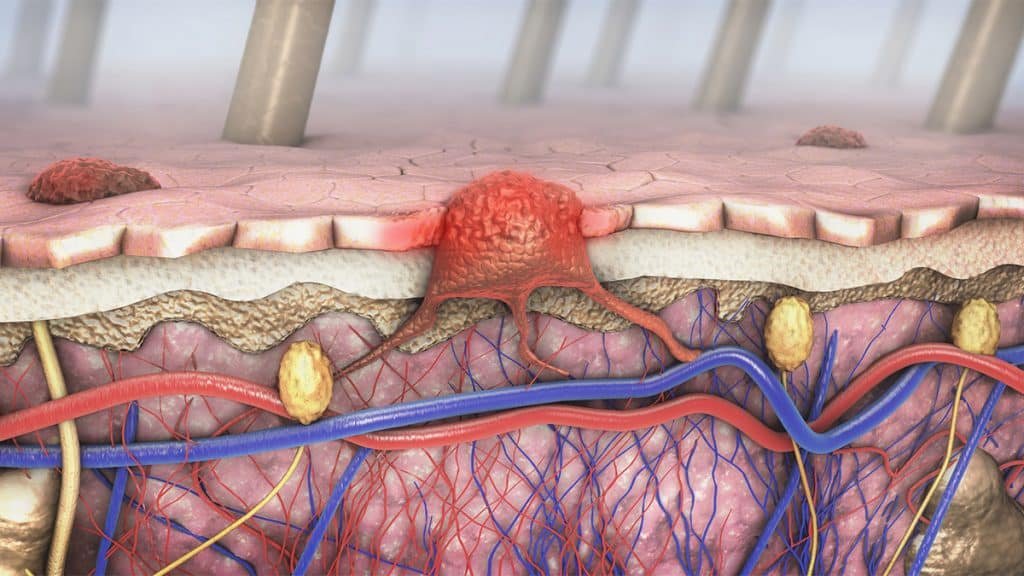
Already the rays UVB They are partially absorbed by the atmosphere, but a significant amount still reaches the surface. They interact with DNA molecules in the surface layers of the skin, interfering with the replication and transcript of the DNA.
Already the rays Grapewhich penetrates more deeply, generate reactive oxygen species (free radicals), causing oxidative damage that affect the structure of DNA and cell membranes.
These damage is corrected mainly by the body control mechanisms, but the exposure repeated and prolonged to the sun aggravates these effects, increasing the risk of developing diseases such as skin cancer.
Read -Ne More:
A study published in Brazilian procedures of dermatology He said that in Brazil, due to its privileged geographical location in tropical and subtropical areas, UV radiation exposure is especially high.
Research has revealed that negligence in the use of solar protection and unprotected exposure to the sun increase cases of skin cancer, especially in regions such as the north -East and Midwest. Get more information about this research here.
How to prevent skin cancer?
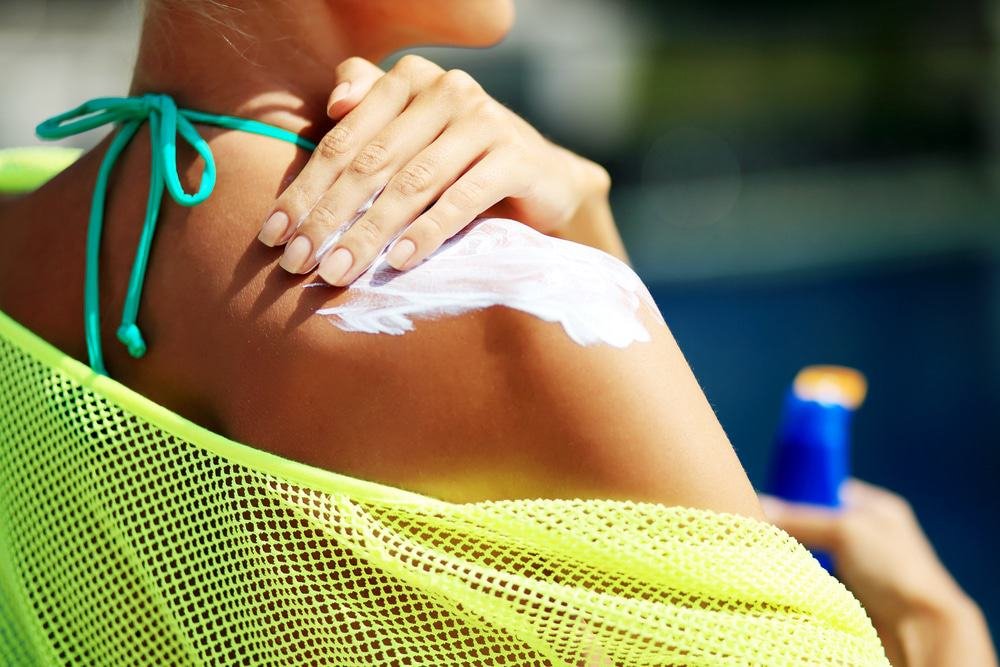
Fortunately, there are effective ways of protection against UV rays. In addition to the regular sun protection protection application with a proper protection factor, clothing that covers the body, wide hats and UV filter sunglasses are essential measures.
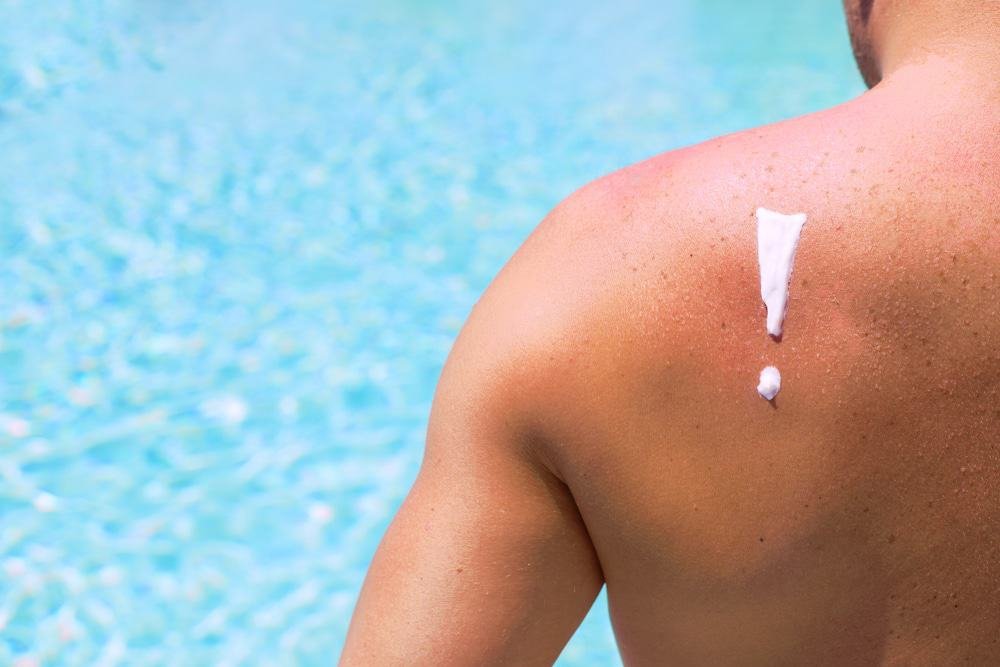
It is also important to avoid exposure to the sun in times of highest intensity, between 10 and 16 hours, when UV radiation reaches its peak. To prevent skin cancer, special attention must be paid to the most exposed areas such as face, hands and necks.
Even in cloudy days, protection should not be neglected, as UV rays can cross the clouds.
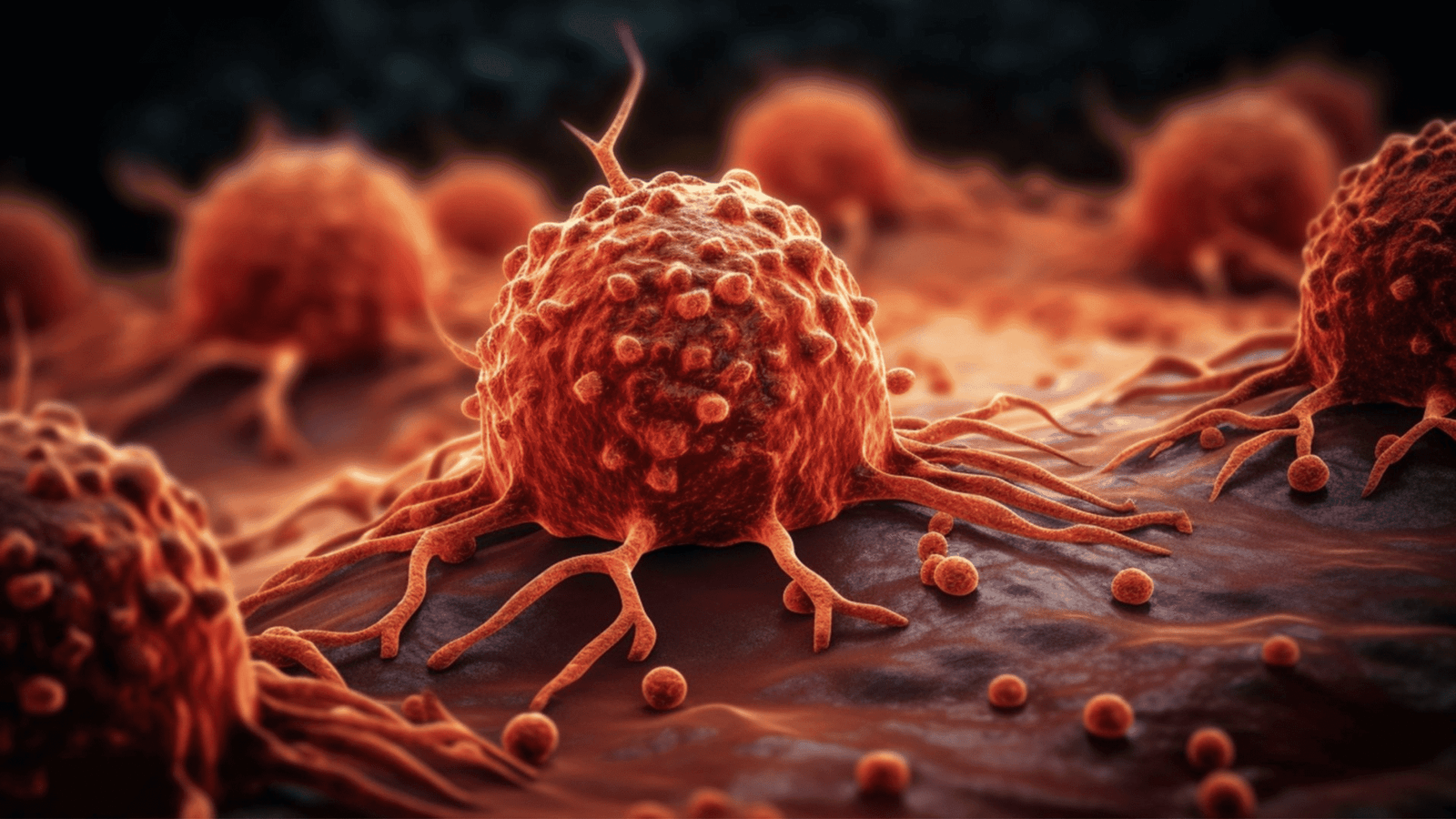
Yes, cancer occurs when, for some reason, cells lose their ability to control their reproduction. In reproducing, these cells can reproduce in other parts of the body, causing tumors and even death.
There are more than 100 different cancers, classified according to the organ or tissue where they originate. Although caused by various factors, they all have in common the uncontrolled growth of abnormal cells in the body.