You must have read there that this Thursday (10) comes the “full moon of the deer” in the sky. Is it really true? The answer is: it depends on the interpretation. Anyway, as it is said, the full moon of July 2025 has some characteristics that make it special.
First we understand the problem of the name. According to the Old Farmer’s Almanac (Almanac of the Old Farmer), one of the most traditional publications in the United States aimed at life in the countryside, the full moon every month of the year has its own designation.
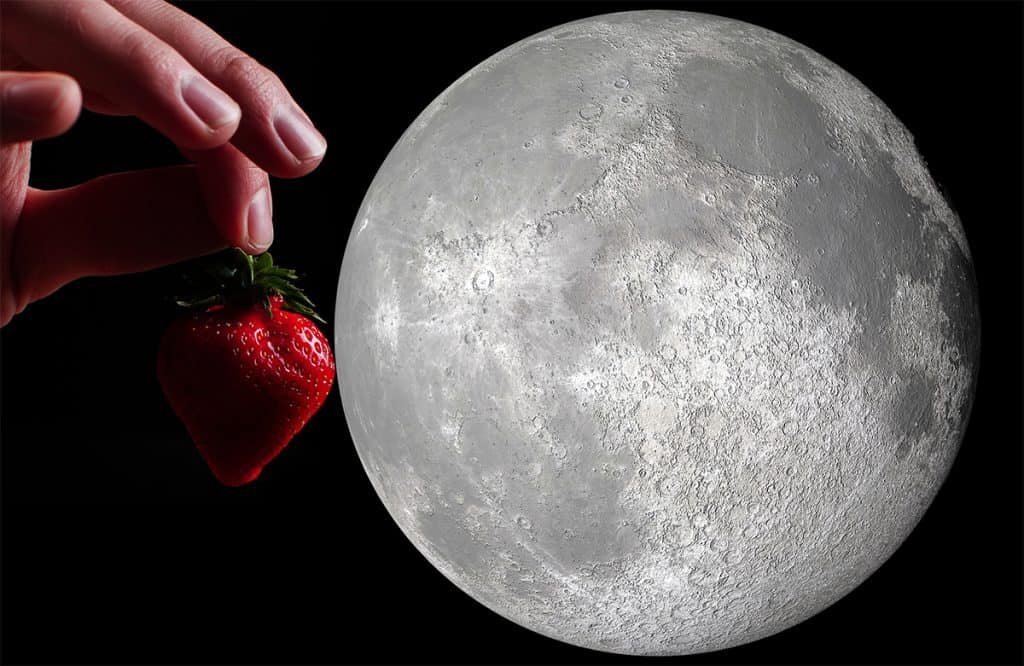
In June, for example, we had the “strawberry moon”. Although the denomination seems to indicate a change in the color of the natural satellite of the Earth, the nickname is actually related to the strawberry harvesting period in this country and was chosen by native villages who went to the countryside to plant fruit, vegetables and vegetables.
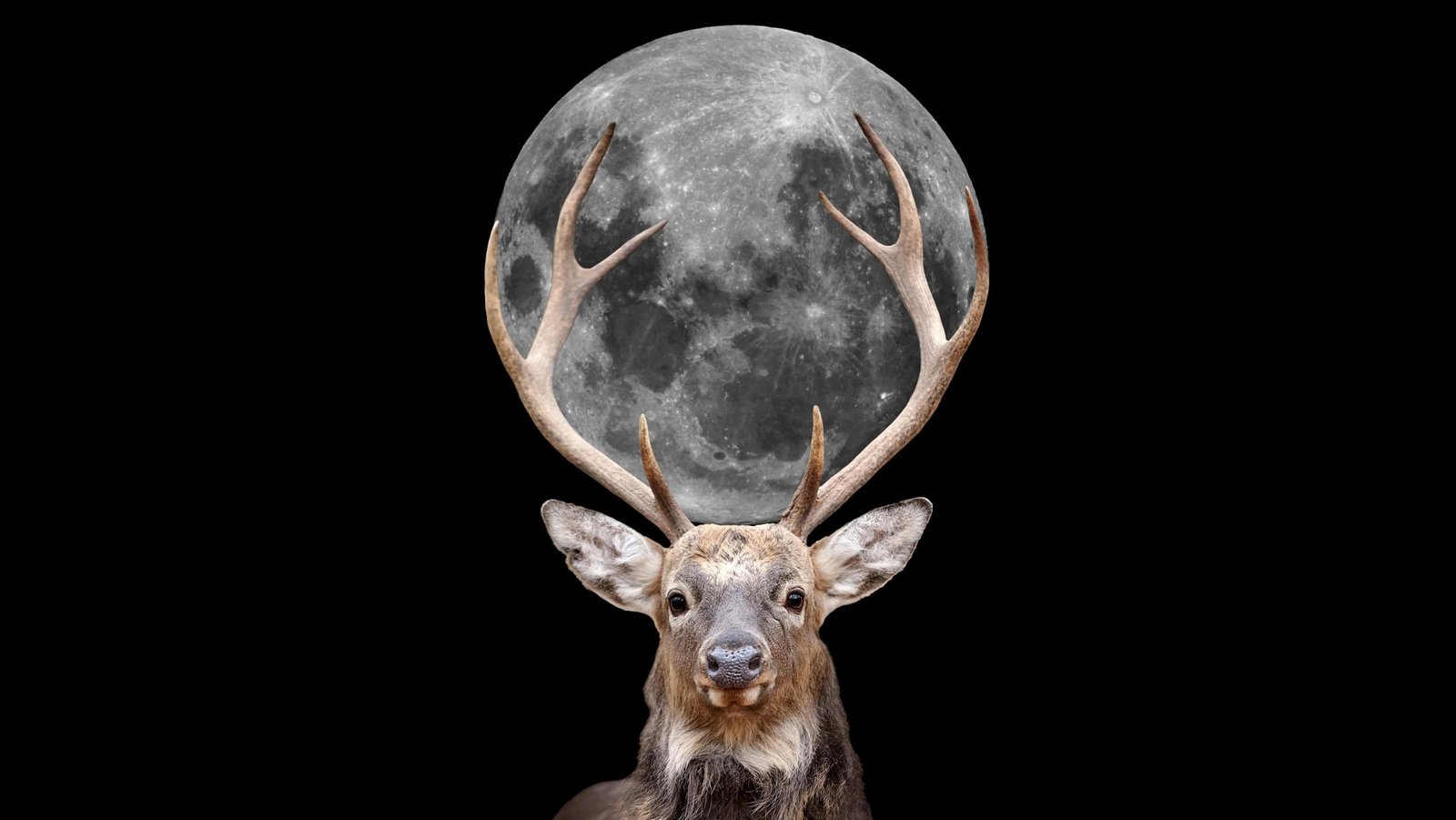
In the case of July, it is the beginning of summer in the northern hemisphere. And it is right at this time that the men’s deer horns begin to be born again.
For deer, deer, roofs, reindeer, among others in the Cervidae family. These animals lose their curse in winter and recover in summer in an annual fall and regeneration cycle that makes the horns progressively older depending on age. So, here in Brazil, this name does not even make sense, since we are in the phase of loss and not in the growth of deer horns.
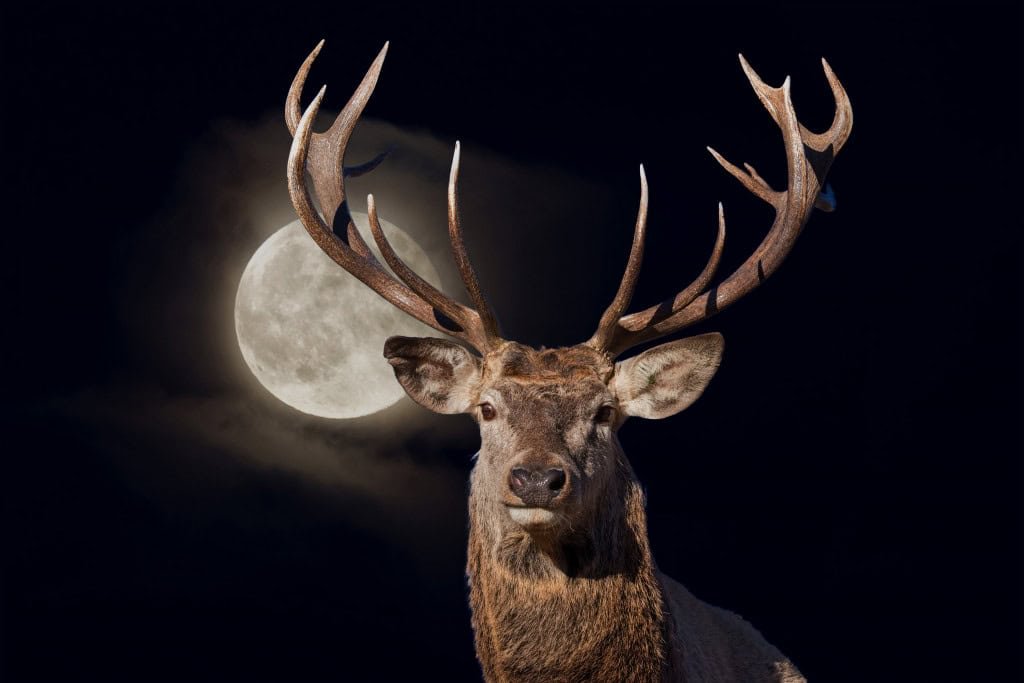
Moon names full of each month
The following is the list of traditional North -Americans and the dates of each full moon this year.
Complete moons of 2025:
- January 13, 2025: Wolf Moon (Wolf Moon);
- February 12, 2025: Snow Moon;
- March 14, 2025: Worm moon (worm moon);
- April 12, 2025: Pink Moon (Pink Moon);
- May 12, 2025: Flower moon (flower moon);
- June 11, 2025: Strawberry moon (strawberry moon);
- July 10, 2025: Buck Moon (Deer Moon);
- August 9, 2025: Moon Sturgeon (Sturgeon Moon);
- November 5, 2025: Moon Beaver (Castor Moon);
- December 4, 2025: Cold moon (cold moon).
Above Ecuador, the full moon of July is also called the “moon of the thunder”, in reference to the storms of the beginning of summer. In particular in Europe, some refer to it as “hay moon”, because it is when farmers collect this animal food or “herbal moon”, as it is the ideal phase for harvesting medicinal plants.
Read -Ne More:
What is the full moon of July this year?
According to the astronomical observation guide Inhesky.org, Exactly on the same day, when the moon enters the full phase, it also hit afélio, which is the farthest point of its orbit in relation to the Sun.
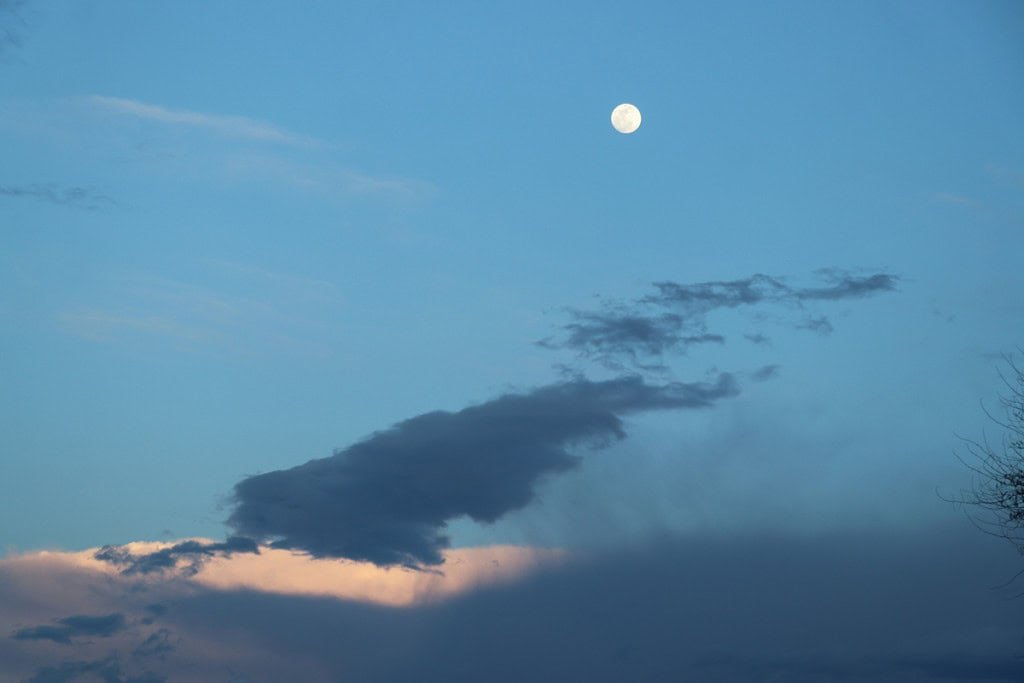
This happened at 7:12 AM (Brasilia time), when it reached 1,0192 astronomical units (UA) of the star, around 152.8 million km.
When the Earth arrived at its affiliation a few days ago, more precisely last Thursday (3), this is that this is the farthest full moon in the sun of 2025. And there is even more: this is also one of the highest moons in the southern hemisphere hemisphere this year.
That is, regardless of the name, the reasons are plentiful to look for it and enjoy it tonight!