
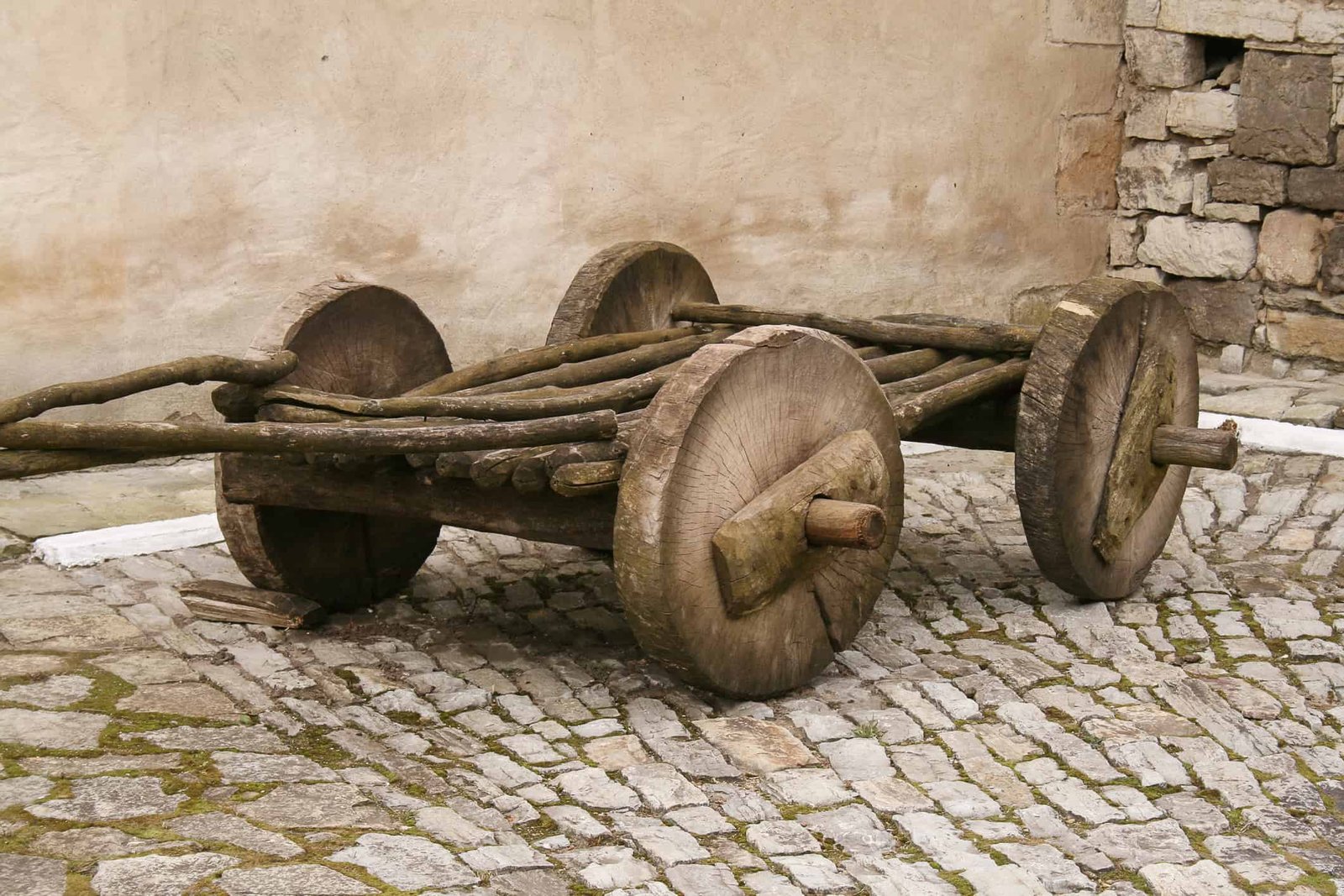
One of the most emblematic artifacts in human history, tireIt may not have arisen as an isolated invention, but as a result of a series of small adaptations made by the south miners -Europe about 6,000 years ago. The hypothesis is presented by Kai James, professor of aerospace engineering at the Georgia Institute of Technology (USA), in an article published in the conversation.
According to James, the origin of the wheel may be related to daily life of Heavy work in copper mines In the region of the Carpatos dels Turons, now part of Hungary. There, workers who had to carry large volumes of minerals inside narrow tunnels could have begun an evolutionary process that involved the appearance of the wheel as we know today.

Miniature models are the starting point of theory
The theory gains strength with the archeological discovery of more than 150 four -wheeled carriage modelsMade of clay and carbon dated as the oldest ever found. Thumbnails provide external patterns similar to the baskets used by the mining communities of the time, which indicates a direct connection with load transport.
This evidence inspired James and his team to investigate why The most advanced civilizations, such as ancient Egypt, did not create the wheel beforeEven have more developed architectural knowledge and technicians. According to him, the controlled environment of the mines offered ideal conditions for the use and improvement of transport technologies, unlike irregular land and full of curves of external flat regions.
“The discovery of semicircular accessories represented a turning point in the evolution of the wheel,” says James. “This type of modification eliminated the need to replace the rollers in front of the load constantly.”
Computer simulation and the concept of mechanical advantage
To understand how the roller has turned, researchers created an algorithm capable of simulating The evolution of structural forms Based on two criteria: mechanical advantage and structural resistance. Mechanical advantage is the physical principle that allows, for example, that pliers multiply the force applied by the hand.
Gradually modifying the shape of the rollers in hundreds of simulations, the program reached the design that stood out in efficiency and durability: The classic wheel format with axis. The transformation, according to the study, was increasingly caused by minor changes, such as the natural wear and tear of wood or the intentional adaptation to suffer obstacles.
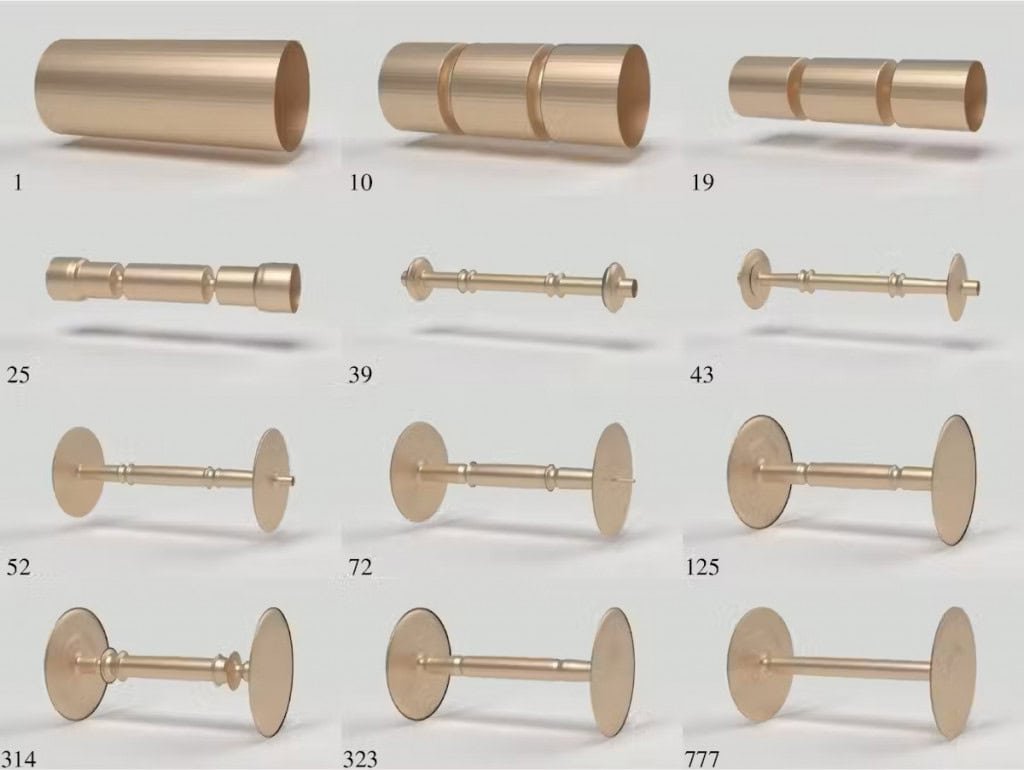
“We believe that there has been a similar evolutionary process among miners 6,000 years ago,” writes James. “Over time, rollers began to produce -imitating the models that worked best.”
Read -Ne More:
As a result, not the invention
Different from the idea of a timely and revolutionary discovery, James argues this The wheel was not exactly “invented”But the result of a continuous sequence of practical improvements. As with species in the wild, the object would have undergone a functional evolution until it reaches the most efficient format.

Interestingly, the wheel would undergo a new transformation of millennia later, with the creation of spheres pads by a bicycle mechanic in Paris. This technology, today common in several vehicles, reduces friction around the axis and rescues, in a way, the original principle of rollers used by the old miners.
The evolution of the wheel, as well as its iconic shape, traces a circular path: clearly, endless, with numerous silent revolutions along the way.
Kai James, professor of Aerospace Engineering at the Georgia Institute of Technology (USA)