
People know the impact of climate change on nature. Increased average temperature, fusion of polar hubcaps, sea level elevation, coral laundering, the greatest appearance of hurricanes and forest fires …
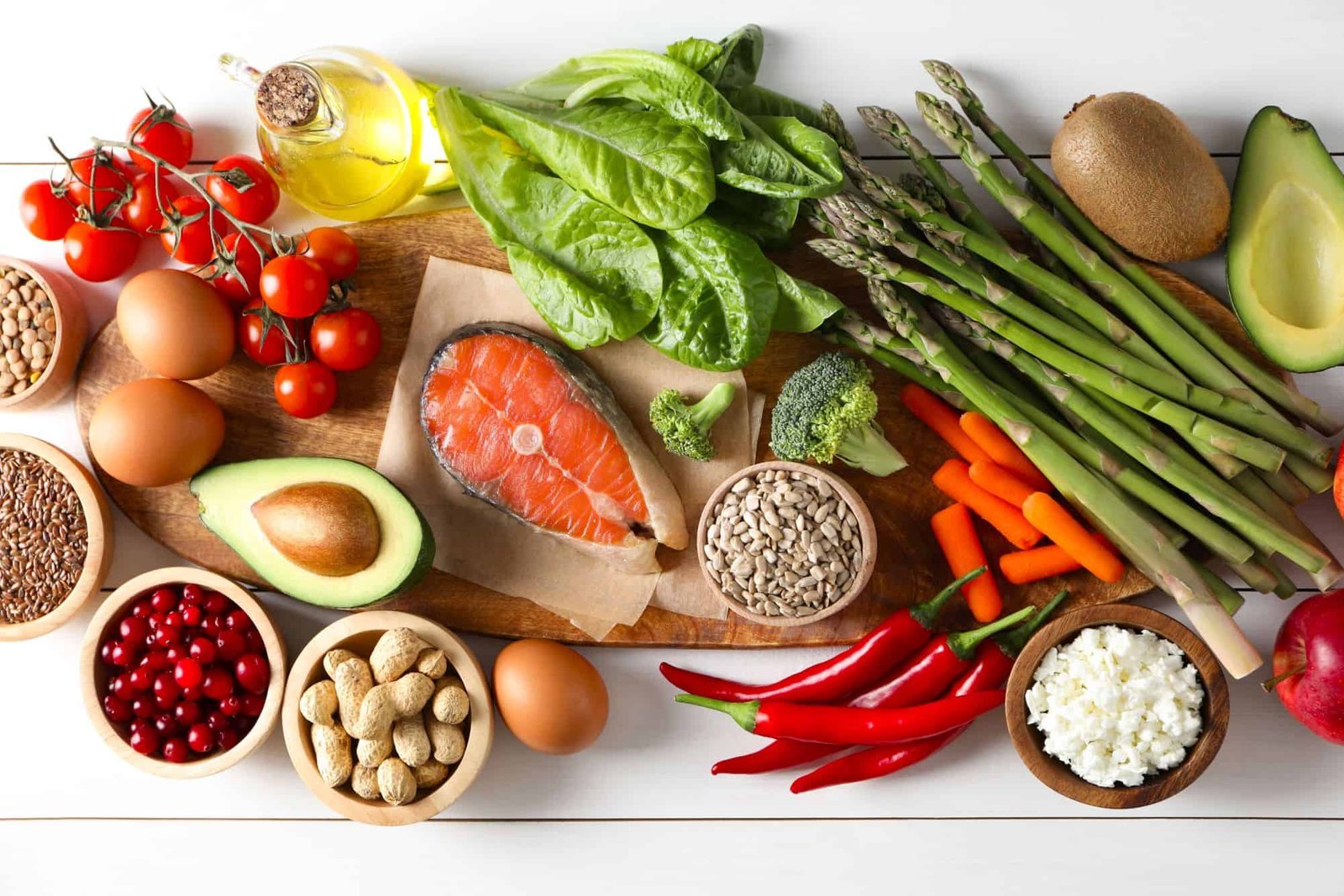
The list is wide and widely published by scientists and journalists in general. Now, what is few people pay attention to the fact that global warming can also influence your everyday food plate. And not the way of thinking.
Read -Ne more
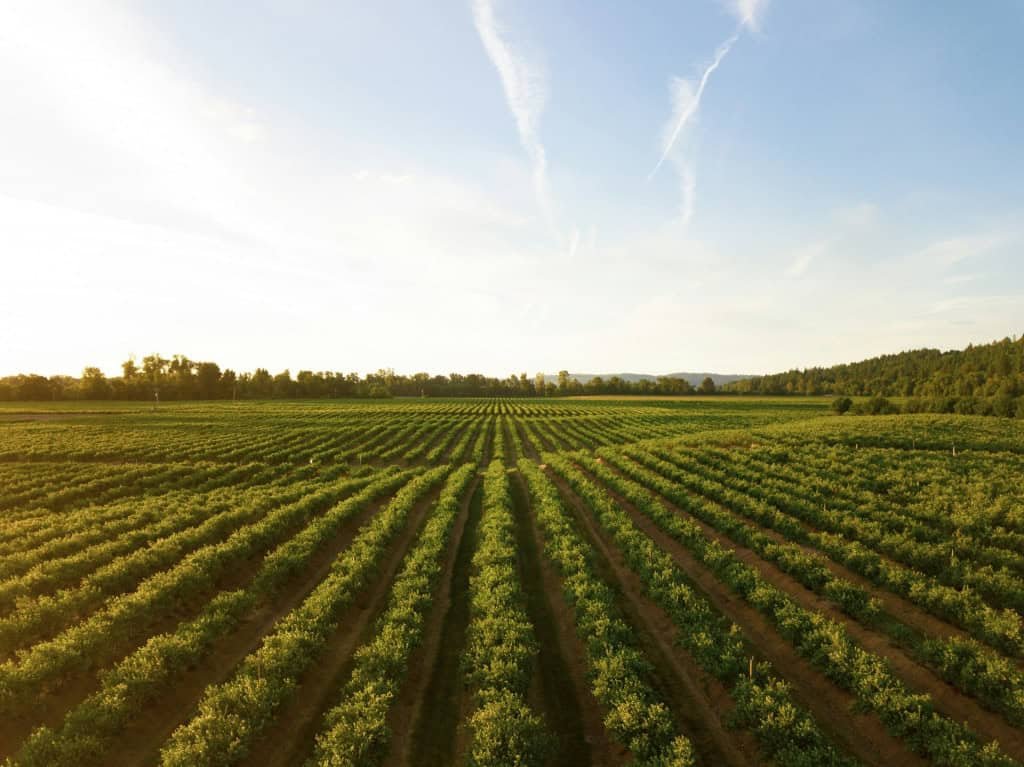
Most scientific studies on the subject focus on the amount and production of foods themselves. Launching time or outside the torrential season of the season can damage entire plantations. According to British researchers, however, this is not the only problem.
A team from the University of John Moores de Liverpool in the United Kingdom has shown that a combination of more level of carbon dioxide along with higher temperatures can lead to a reduction in the quality of nutritional foods.
As they came to this conclusion
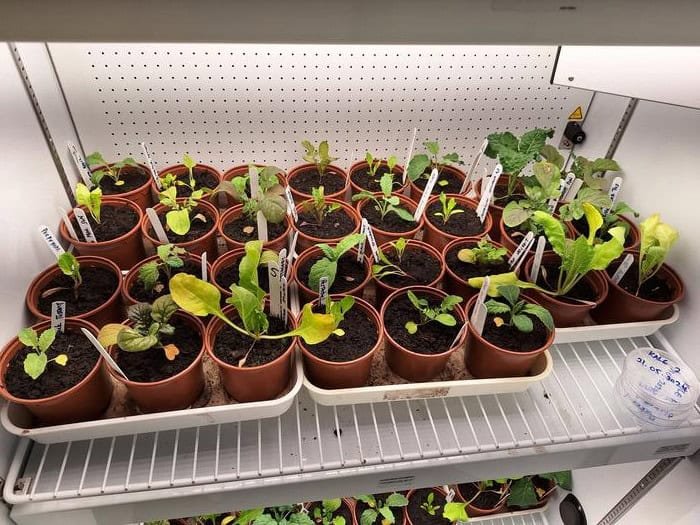
- The study by the doctoral student Jiata Ugwah Ekele focused on popular leaves vegetables such as kale, arugula and spinach.
- He maintained cultures of these leaves in controlled environments.
- The idea was to change the temperature and CO2 rates in greenhouses, simulating the future climate scenarios planned for the United Kingdom.
- After creating different situations, scientists used liquid chromatography and X -ray fluorescence to measure sugar concentrations, proteins, vitamins and antioxidants in these foods.
- The results showed an increase in sugar concentration and a reduction in protein, antioxidants and certain essential minerals such as calcium.
- This, according to the author of the article, may have serious implications for human health:
“This imbalance can contribute to more calorie diets, but with less nutritional value. The increase in sugar content in plantations can have a higher risk of type 2 obesity and diabetes.”said Ekele.
- In addition, low nutritional crops may also lead to vital protein and vitamin deficiencies, which compromises the immune system.
- You can even argue that there are other food sources from where people can take these nutrients.
- However, in the poorest countries, the vast majority of the population depends solely on these vegetables.
- Many do not consume proteins or have money to buy dietary supplements.
A global problem
Although the study simulates only scenarios in the United Kingdom, the effect of climate change is global. That is, what researchers predicted must also be applied to other countries.
They considered the study to be limited to only some types of vegetables and had different results. However, they warn that the risk of nutritional impoverishment is real and authorities should be aware.

The team now defends new studies and calls for the help of the scientific community in general to advance these problems. It includes the areas of agriculture, nutrition and climate policy.
“It is important to connect the science of plants with wider problems of human well -being. As the climate continues to change, we need to think about the type of food system we are building: one that not only produces enough foods, but also promotes health, equity and resilience.”concluded the author of the study.
The information is from Eurekalert!