The study revealed that a kind of coral can retain 20 tons of carbon a year, equivalent to the cream of 324 thousand liters of gasoline
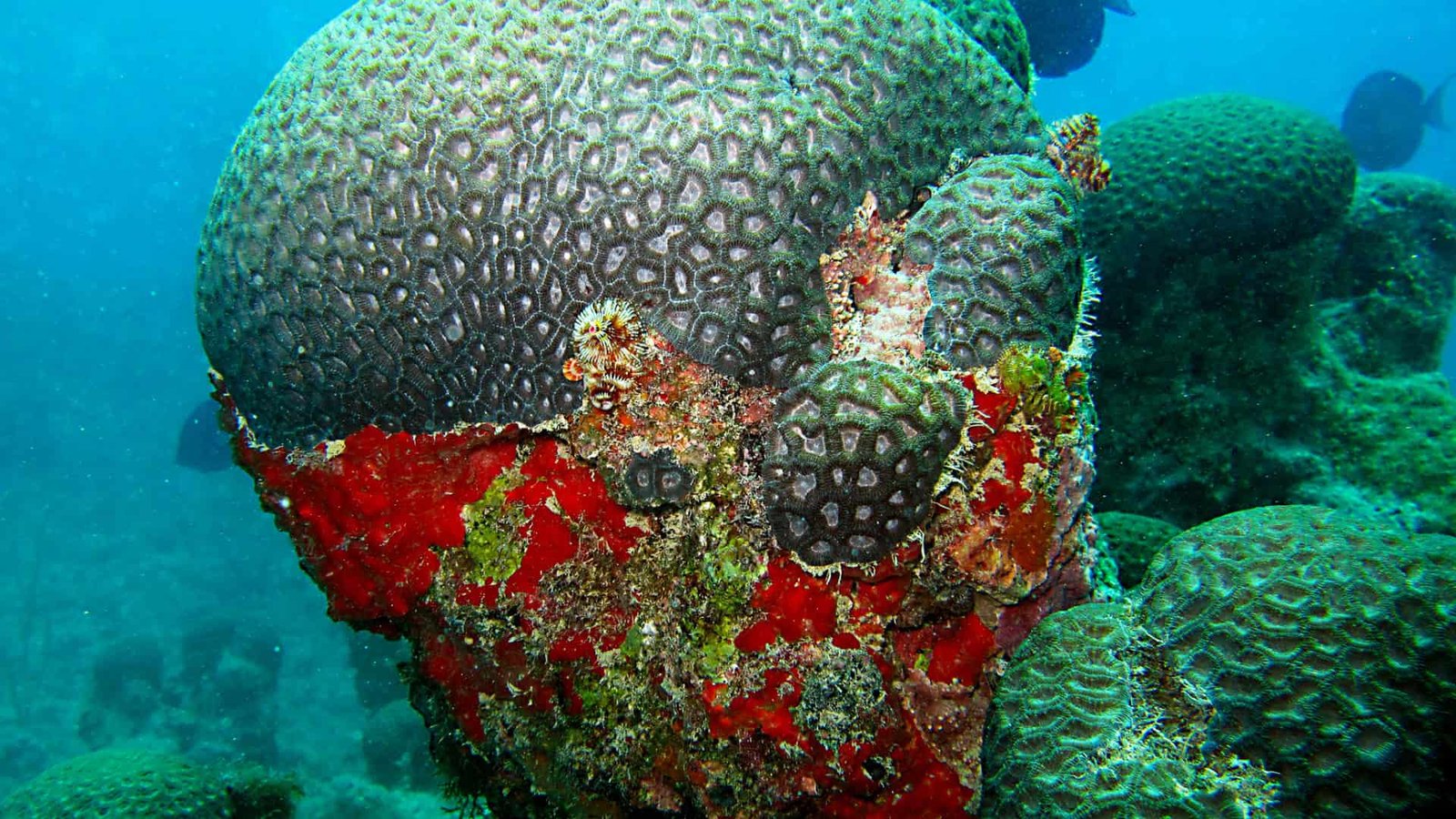
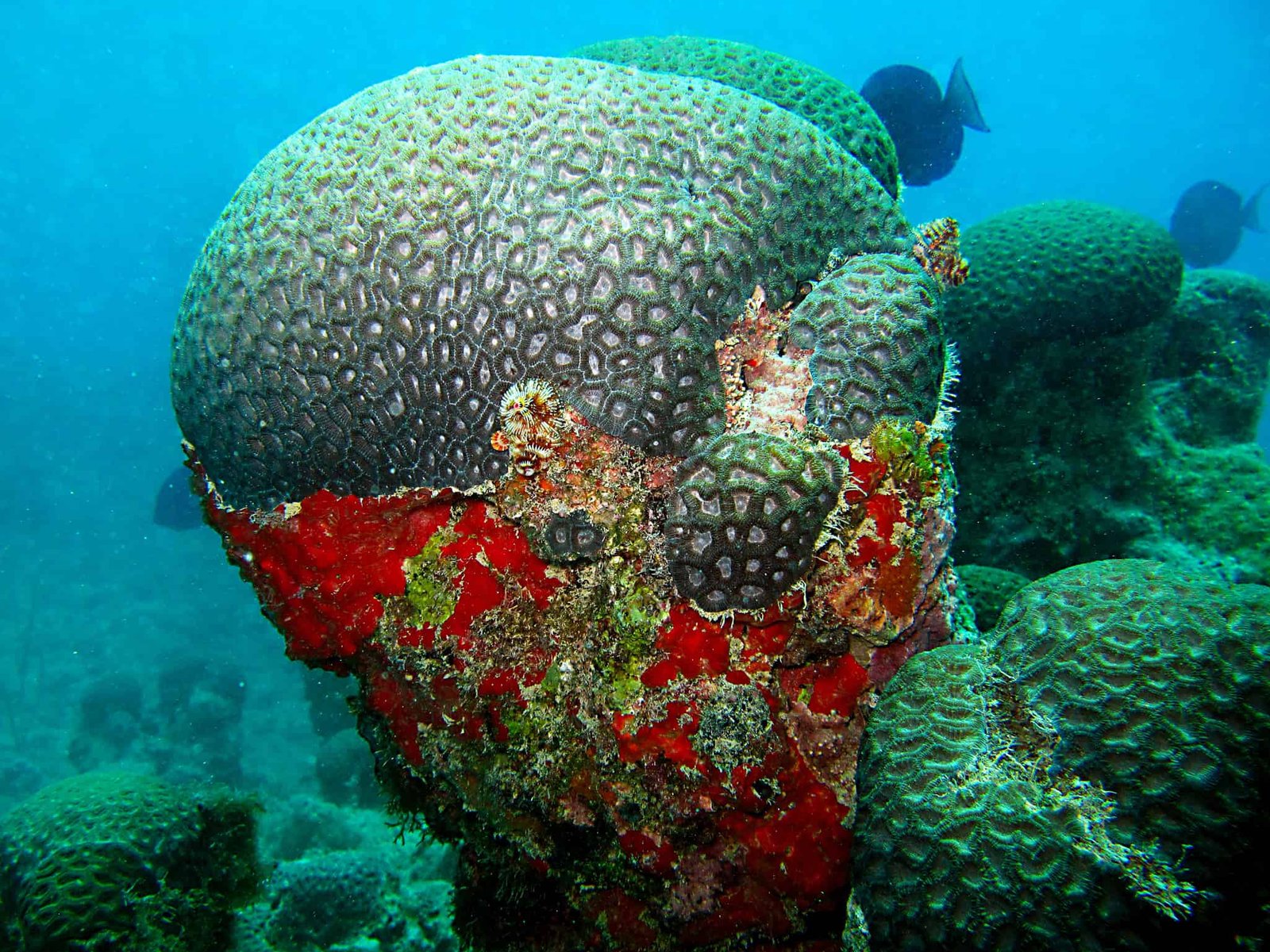
The work revealed that a single species located in the Archipelago of Alcatrazes on the southern coast of São Paulo can retain about 20 tons of carbon a year. This is the equivalent of the emission of the cream of 324 thousand liters of gasoline.
Species are able to retain more carbon
- According to the research team, tropical corals exposed to light and warmer waters can emit more carbon than absorb.
- However, the controlled species differs from the fact that it does not form large reefs.
- Thus, its rocky portion very covered by macroalgae allows greater absorption of2 For photosynthesis.
- This means that the analyzed region can be important for ensuring environmental balance and reducing carbon levels in the atmosphere.
- Another advantage is that the substance is stored by mineralized corals, which can last centuries or millennia.
- The findings were described in a study published in Marine Environmental Research.
Read -Ne more
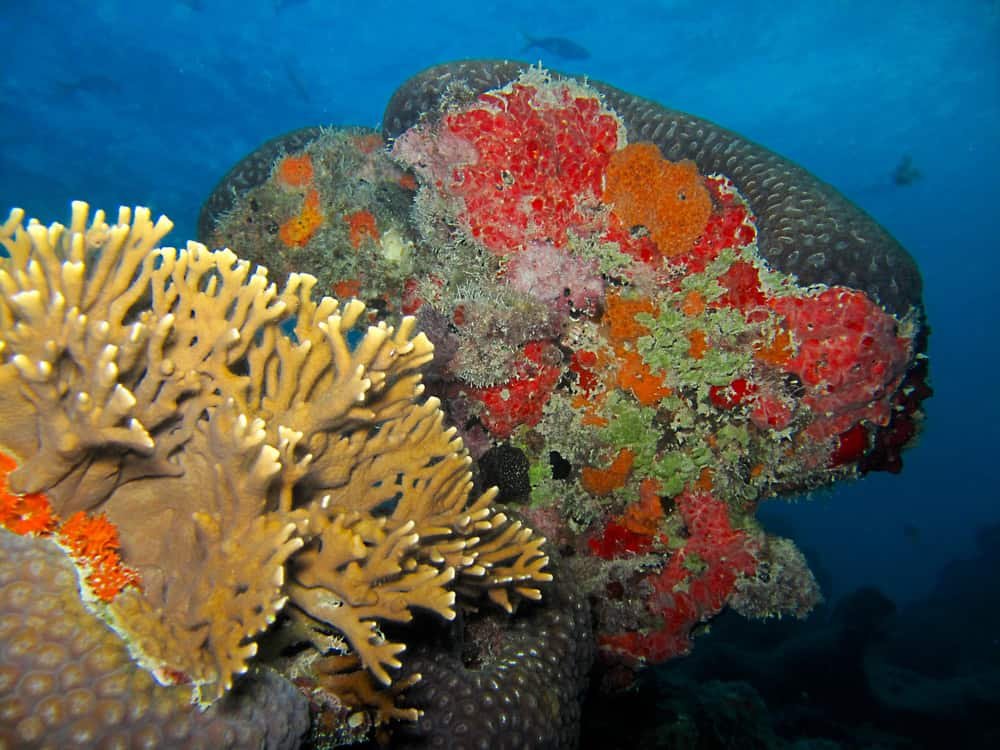
Fact that does not form reefs may be the differential
In the new work, researchers analyzed Coral-Brain specimens (Hiside Mussismilia), whose skeleton is basically composed of calcium carbonate3)). Through images of computed tomography, they calculated the annual growth rate of the colonies.
Scientists say that calcium carbonate consists of calcium, oxygen and carbon elements, the latter was also found related to oxygen, forming carbon dioxide (CO.2), which contributes to the greenhouse effect. This means that it was possible to estimate the resulting amount of carbon.

Scientists also emphasize that Alcatrazian corals have rates for the production of elements similar to those found in Ambrolhos or Fernando de Noronha. This strengthened the possibility that the formation of reefs is the differential of the analysis, according to the information of the FAPESP agency.
Despite the discovery, it is unknown why corals on the coast of São Paulo do not accumulate to form reefs around the islands. One hypothesis is that they arrived relatively little to the subtropical region, between 2,000 and 3,000 years, so they did not have time to form larger structures. Another explanation is the highest incidence of storms in the region, which destroy the colonies and do not allow great accumulation for reef formation.