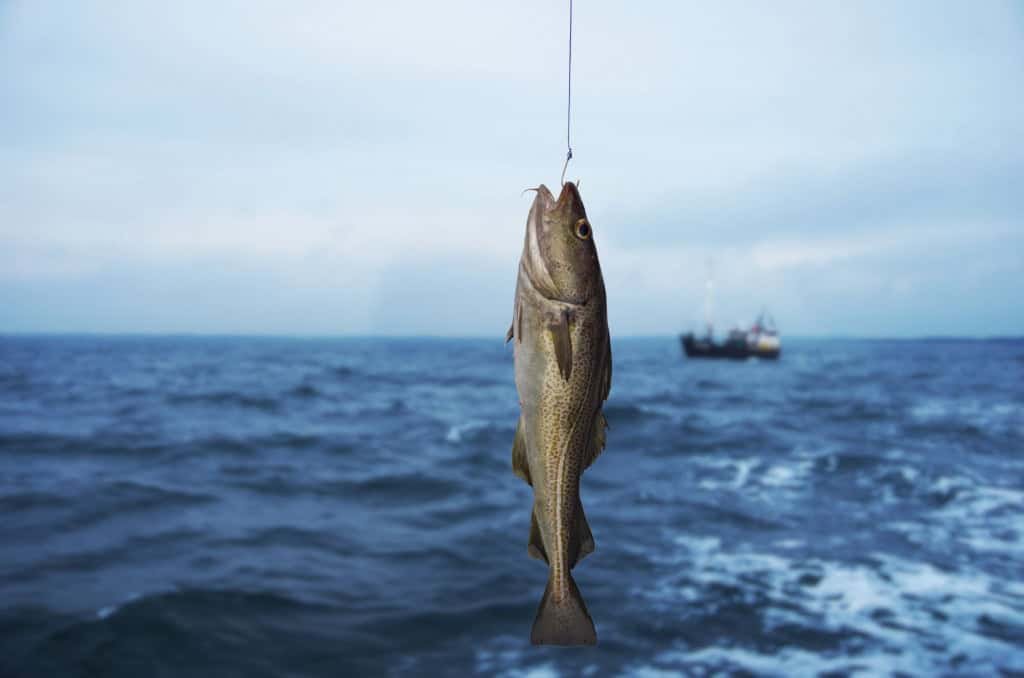
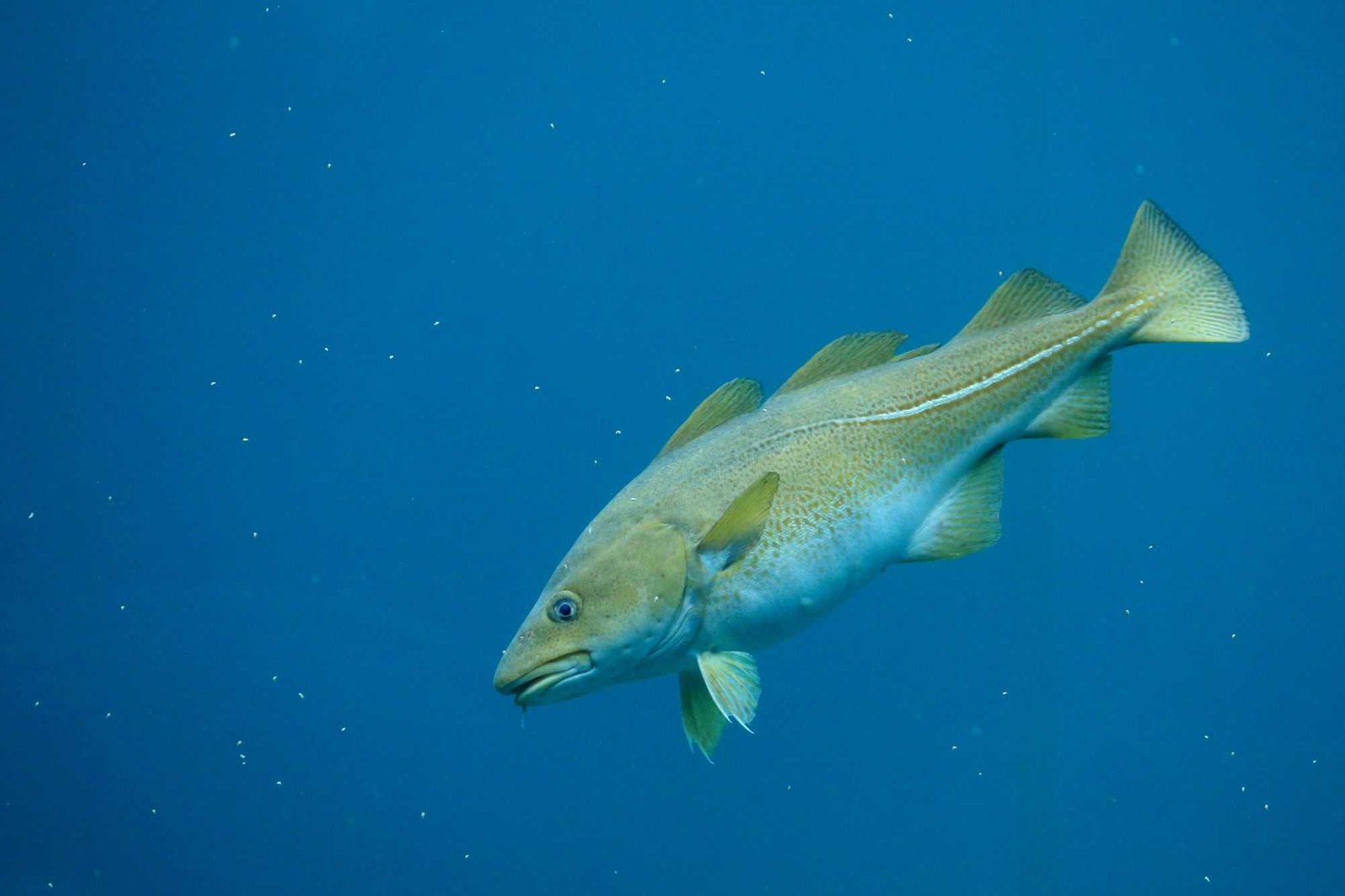
The study reveals that the genetic selection caused by fishing created a generation of smaller, less fertile and more fragile fish
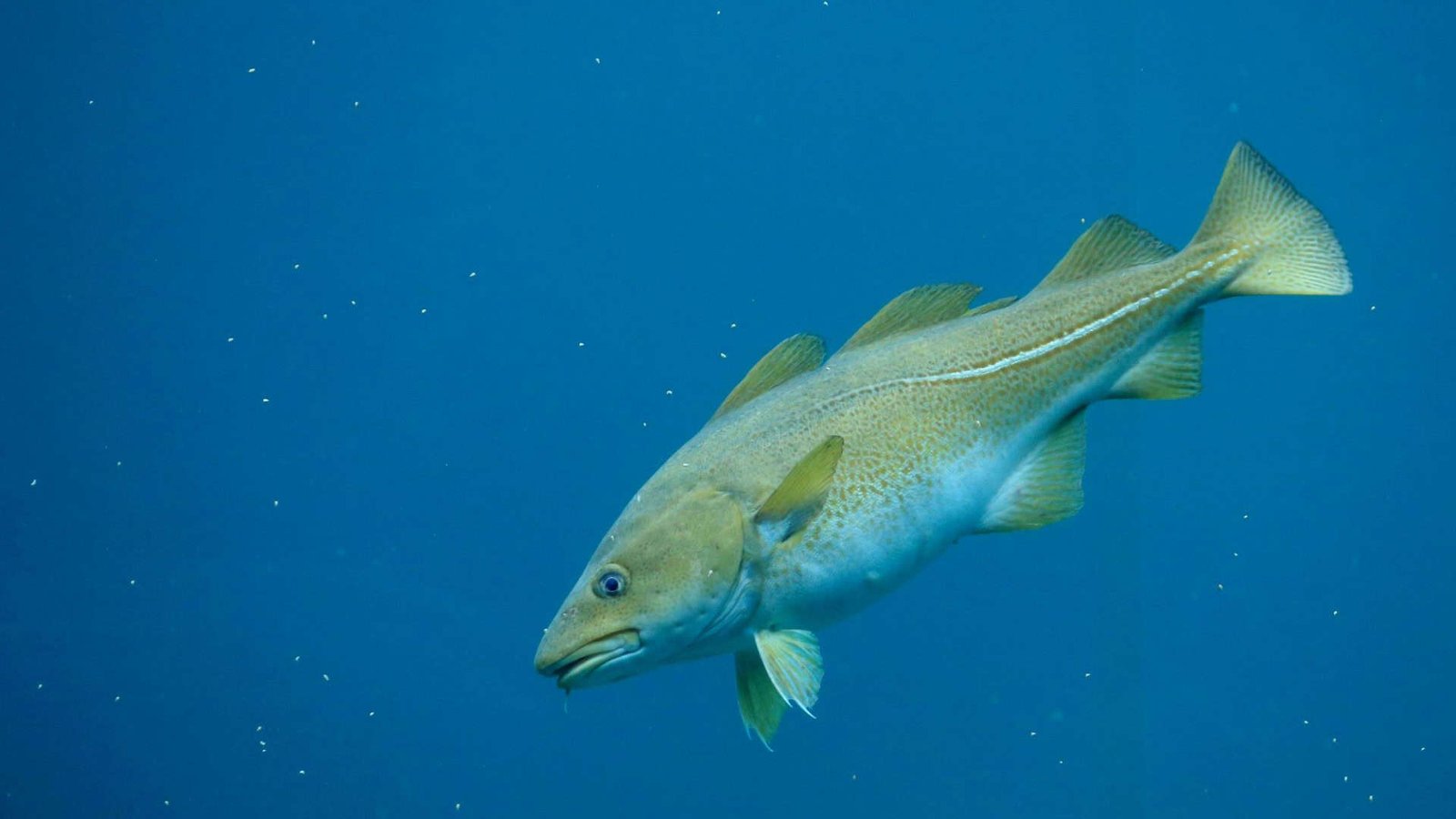
Since 2019, selective fishing has been banned in the region. A new study of the Geomar Center in Germany, published in the magazine Science AdvancesIt reveals that the decades of intensive fishing and environmental changes have genetically altered this population of fish.
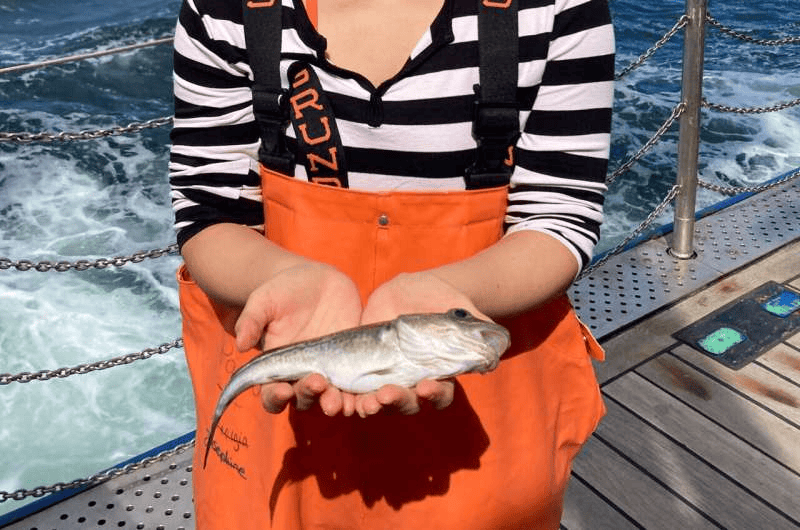
To study discoveries
- Researchers identified genetic variants associated with body growth affected by directional selection, that is, it became more or less frequent over time.
- Growth -related genes have systematically changed, promoting slowly growing codes fish and reaching smaller sizes, an evolutionary advantage when the largest is eliminated by fishing.
- The analysis used otolites (calcified ear structures) of 152 bacallis collected between 1996 and 2019.
- These “growth rings” act as biological records that, combined with genetic sequencing, have allowed the evolution of cod in recent decades.
Read -Ne More:
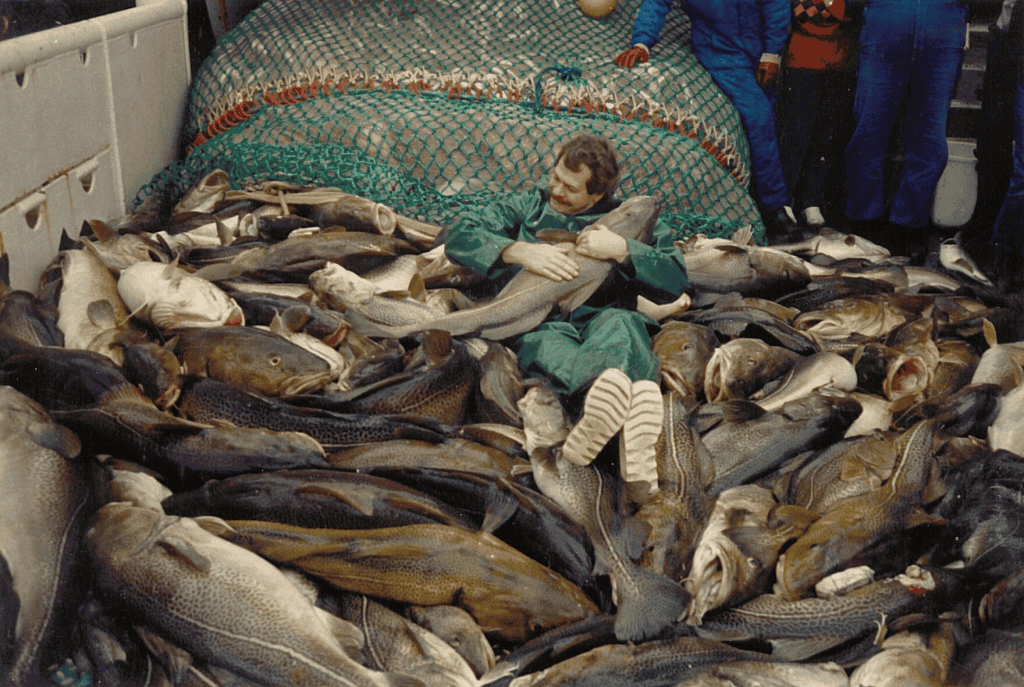
The scenario may not return to what was before
According to scientists, this genetic change reduces the diversity and resilience of the species, committing its recovery, even to suspended fishing. Recent data indicates that there is no signs of resumption of body growth.
The study strengthens that sustainable fishing is not only economic, but also genetic conservation and biodiversity, with long -term evolutionary impacts caused by human action.