
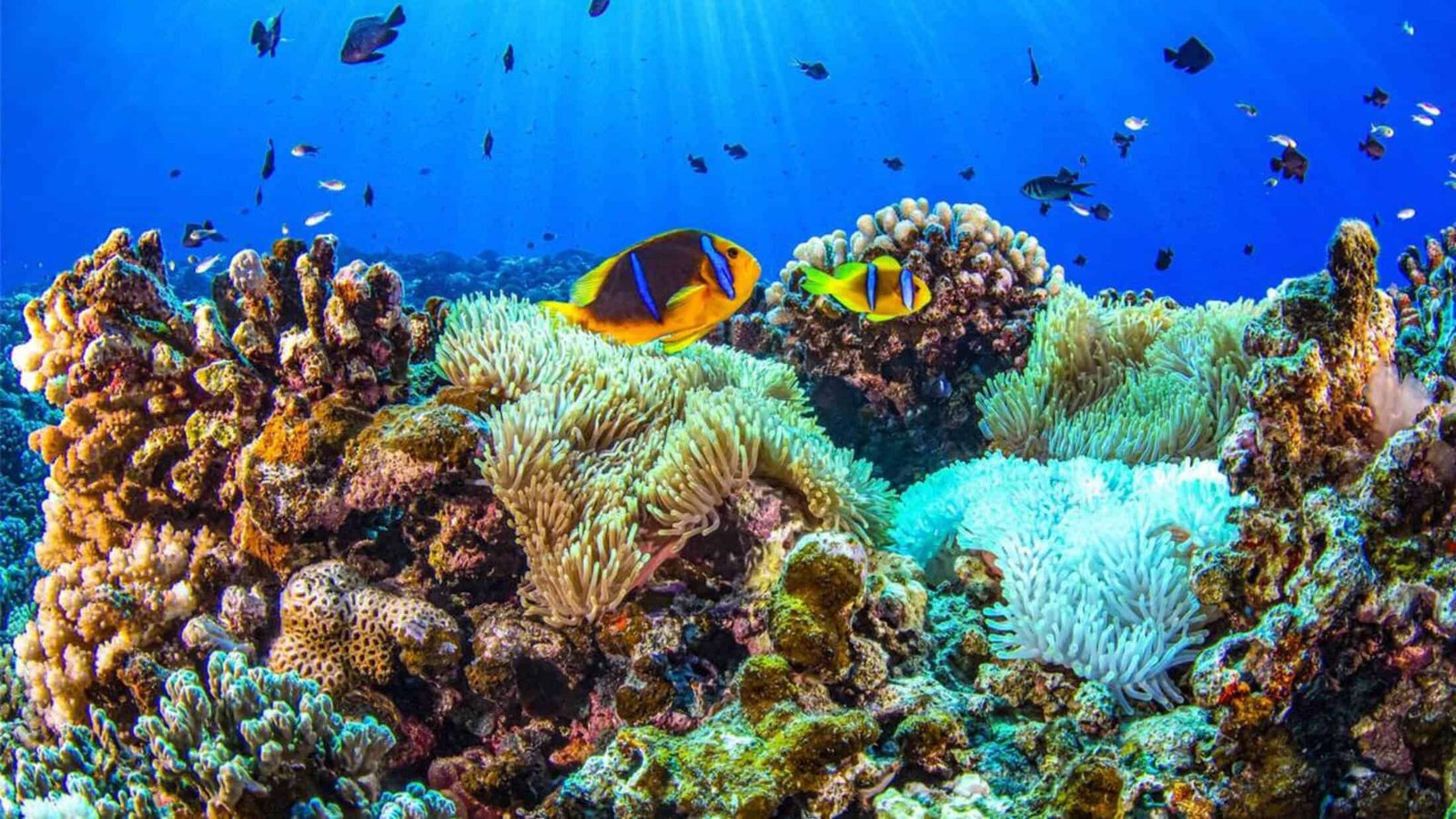
According to a new study, corals have systems to deal with thermal stress but approach the limit
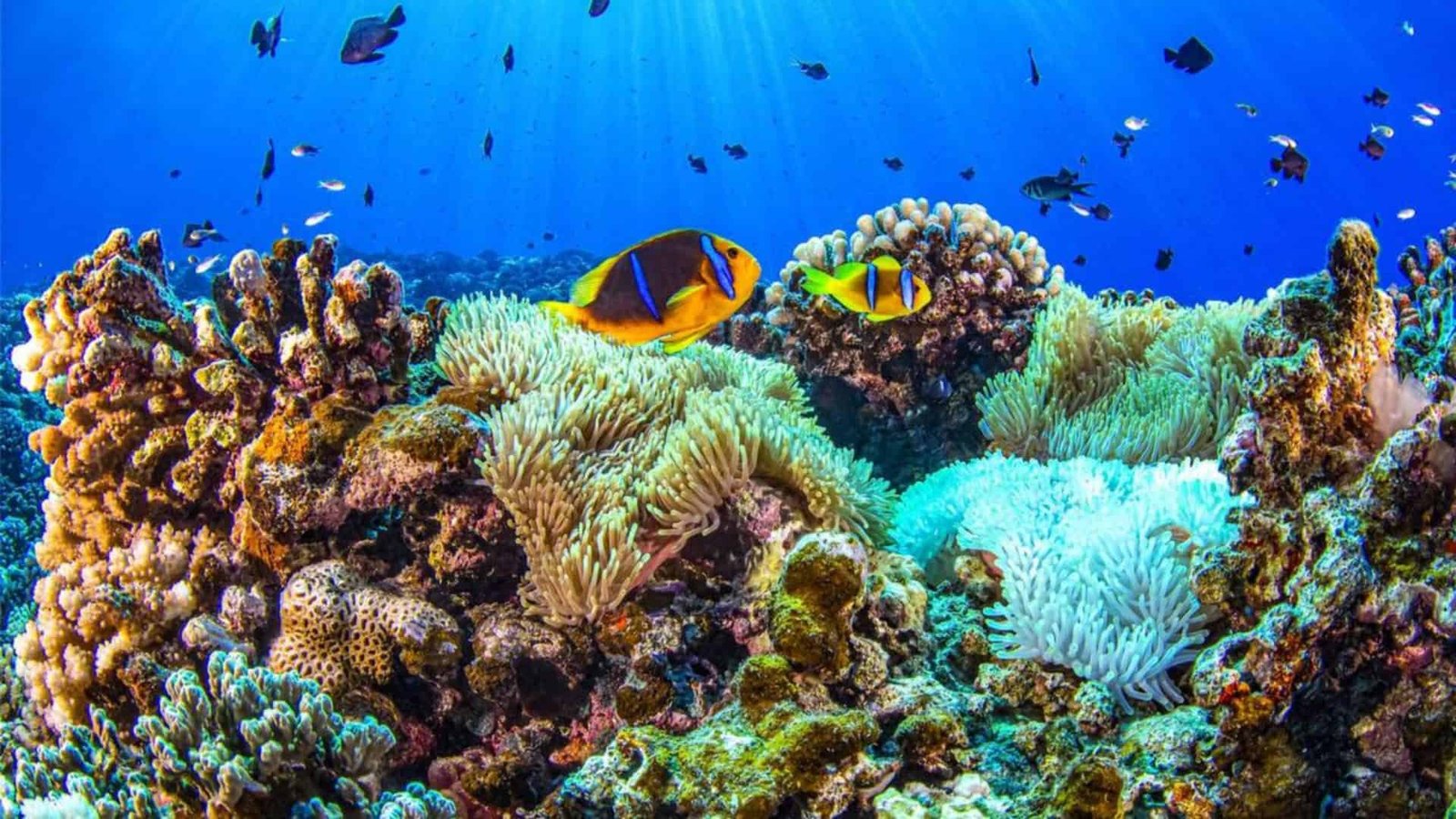
Genetic composition may affect heat tolerance
Researchers said that discovery is essential as oceanic heating continues to increase. According to them, this may mean that corals can survive more than we imagined.
Heat tolerance was measured by analyzing the answers of more than 500 colonies of the Acropora Coral de Jacintina in excessive heat. This species is important environmentally and highly vulnerable to increasing temperatures.
The team collected samples from these organisms and used 12 tanks for four different temperatures during the experiment. Coral fragments were placed in each of these spaces and they underwent thermal stress in the short term. Scientists then measured the amount of pigment that remained in the coral fragments, which aligns directly with the amount of algae left in the coral cells. This made it possible to determine the heat limit supported by the species.
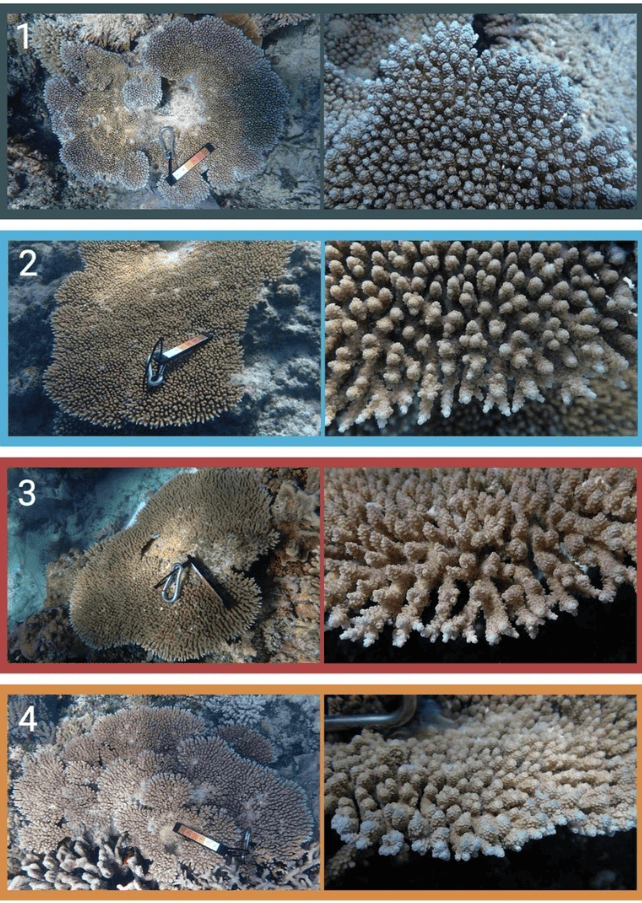
They concluded that each heart has a “nature” or a unique genetic composition that can affect its tolerance for heat. However, aspects of the marine environment can feed or make it difficult for the thermal stress of a coral. This includes water temperatures, nutrient conditions and symbiotic algae living inside the coral fabric.
According to researchers, corals living in the warmest regions, such as the north of the large barrier of coral, can deal with higher water temperatures. However, they warn that organisms are already reaching the supported limit due to the significant increase in water temperatures.
Corals in the southern barrier of corals, in turn, cannot cope with so high temperatures. This means that these organisms can be prioritized in restoration and conservation actions of reefs. The results were described in a study published in Earth & Environment Communications.
Read -Ne more
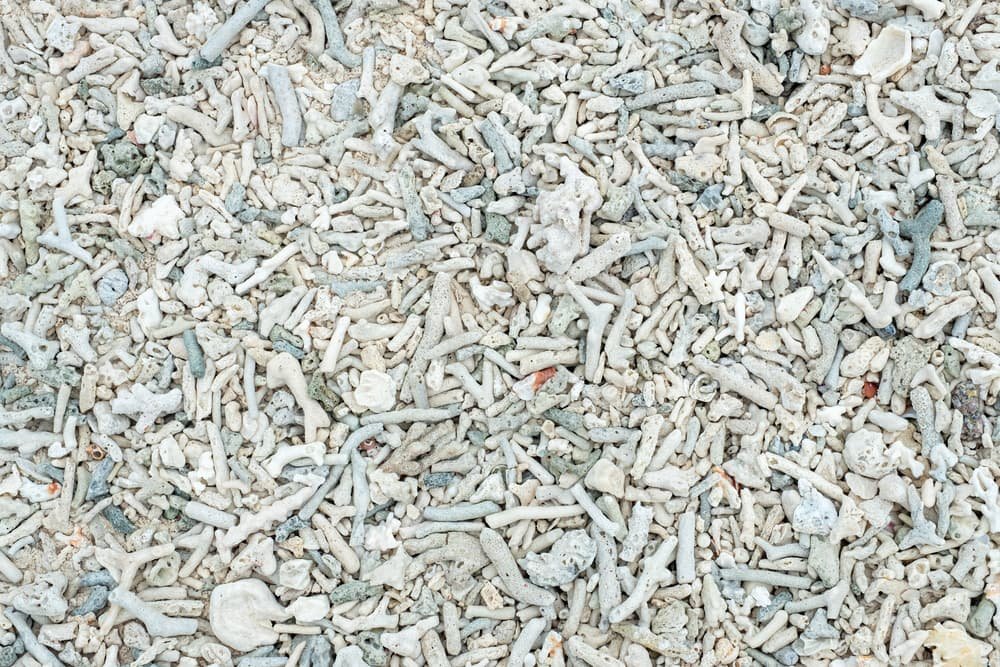
Coral whitening: Impact for the entire oceanic ecosystem
- According to scientists, this phenomenon is caused by excessive warming of the sea and can lead to the death of organisms distributed by large tropical reef areas, including parts of the large Australian barrier of Coral.
- Triggered by thermal stress, whitening occurs when corals expel the colored algae living in their fabrics.
- Without them, organisms are pale (without bright colors) and vulnerable to illness and hunger, as much of their energy comes from the photosynthesis of these algae.
- Because corals are large refuges of fish and other species, the phenomenon can be catastrophic for the entire ocean ecosystem.
- In addition, it should affect fishing and tourism, which depend on healthy and colored reefs to attract divers.