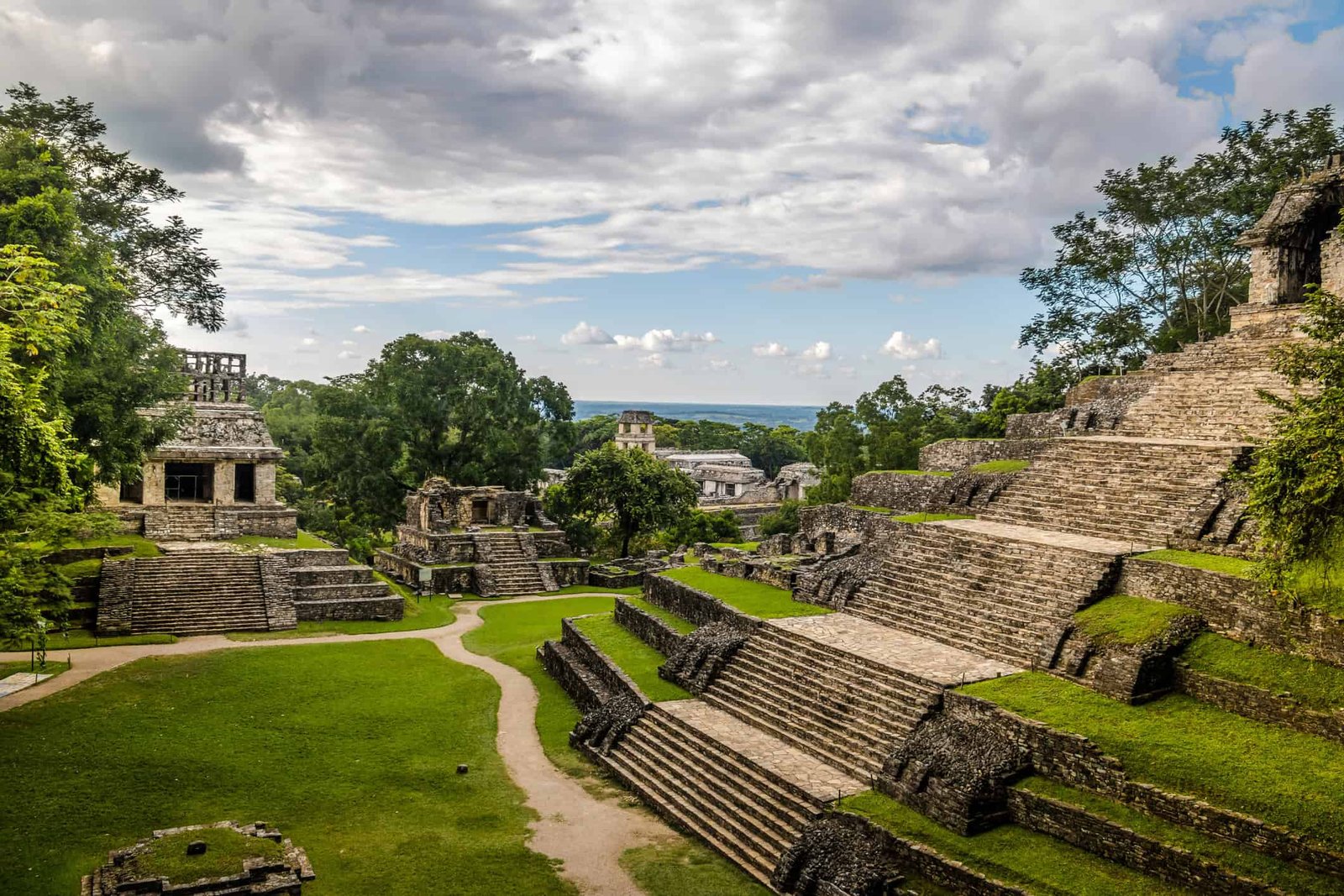
New genetic analyzes corroborate the thesis of a great mobilization of Mayan civilization beyond the conventional limits of its territory in Mexico. The research also suggests the lasting persistence of local ancestry in the Mayan region to this day.
The researchers collected bones of 16 individuals from two archeological projects for the study: Integral Conservation Program of the Copán Archaeological Park (PICPAC) and the Archaeological Project of Copán (Proarco).
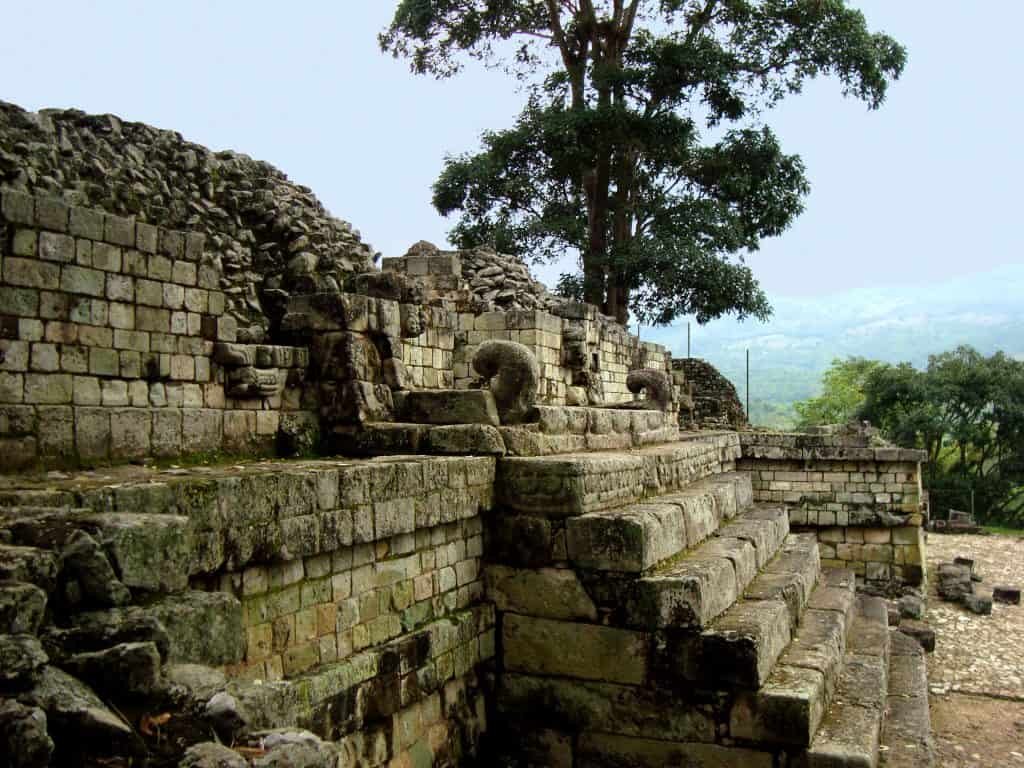
The Copán ruins are below the surface of today’s western Honduras. The archeological site was before a vital city of the classic Mayan world, located at the intersection between Central America and South America.
How was the research done?
Only seven samples provided enough material for a greater analysis of DNA. One of them was taken from a person who received the highest wealth designation, buried in a real style tomb. However, most of them lacked notable indicators of wealth, it would have even been a sacrifice offer.
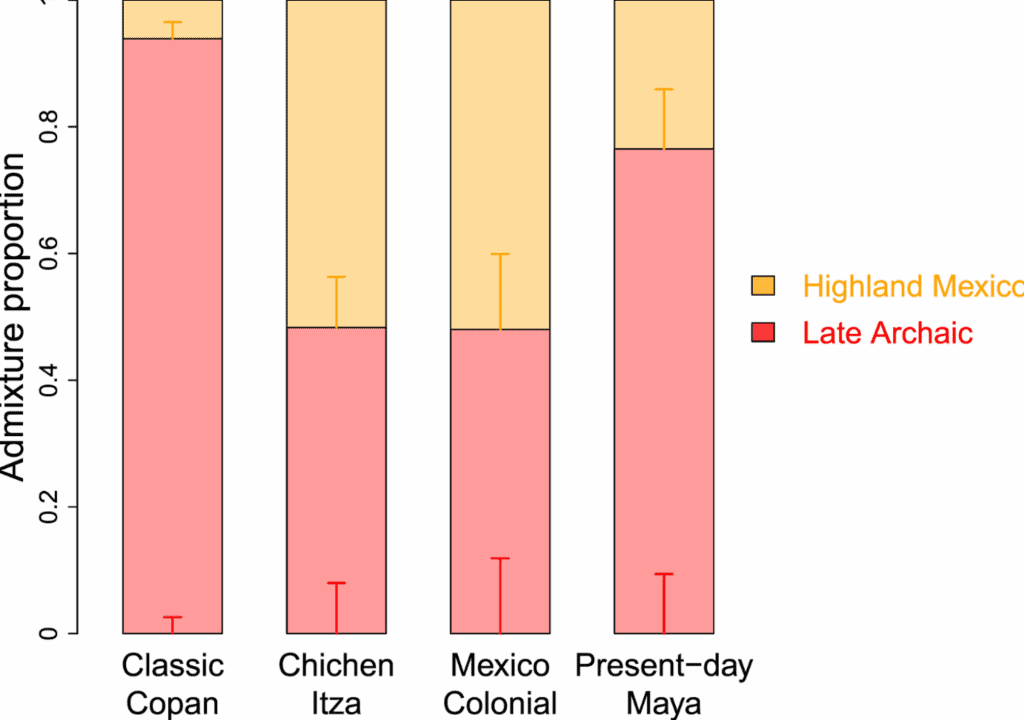
The newborn genomes were then compared to the north -modern and modern genomes, revealing a strong genetic continuity in the Mayan region from the late archaic to this day.
The data indicated the presence of a local population from the late archaic period and a flow of genes (6.1% ± 2.6%) of the Mexican populations of the highlands during the initial and middle classic period, corroborating the idea of population movement and cultural integration during this period.
Read -Ne More:
New perspectives
Copán began to be occupied by humans in the lower pre-classical period (before ~ 1000 BC), with the migration of small agricultural communities. Already in the lower classic period (around 300-400 AD), he witnessed the Maia style inscriptions.
A new age began with the establishment of a royal dynasty for the first king, K’inich Yax K’uk ‘Mo’. The reign of 400 years was marked by a strong political, economic and ceremonial activity, which intensified after the migration of the Mayan elites.
The investigation concluded that the people of Classical Copán had genetic similarities with the late archaic populations (5,600 to 3,700 years ago), then Mayan Modern Communities and Modern Communities in Mexico.
The results published in an article in current biology also indicate a drastic, but not the complete disappearance of the Mayan population about 1,200 years due to large droughts and social instability during the 9th and 11th centuries.