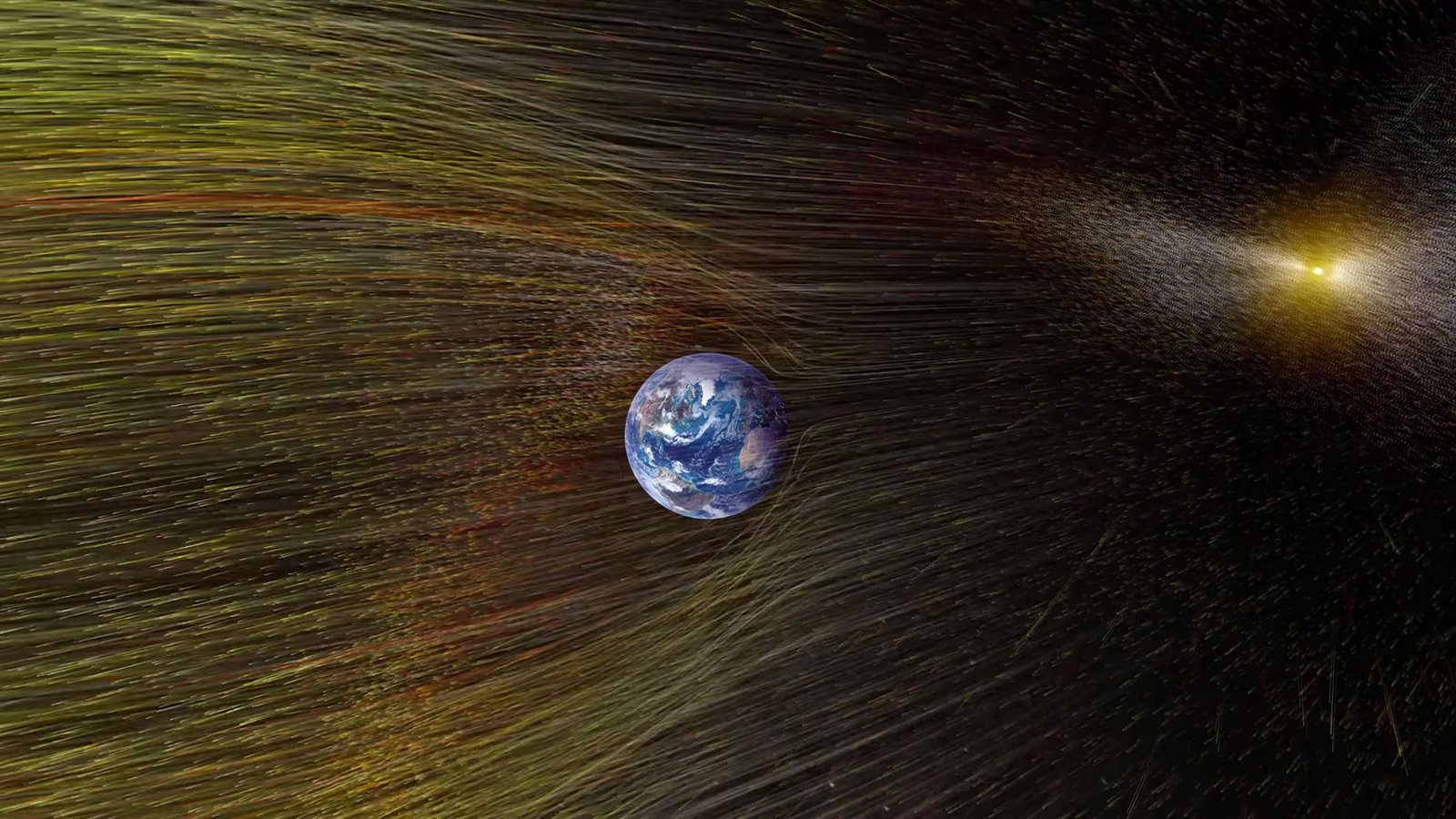
Scientists simulated encounters of the solar system with fleeting stars and revealed the odds of planets if they were lost in space

“Star Passage can change the stability of planets and pluto, as well as the secular architecture of giant planets for the next 5 billion years,” the researchers wrote.
The new study, published in Icarus, argues that the previous simulations overestimate the stability of the planets.
Unprecedented analysis estimates about 19 meetings for millions of years in each parsec (3.26 years of light) tours of the sun. In the simulation over the next 5 billion years, 2% of scenarios end with planets that are expelled in space.

Read -Ne More:
Planets can be lost in space
Research shows that the Earth has the opportunity to 1 in 500 (0.2%) be expelled from the solar system or collide with another planet. Mars is also in the target. The red planet has a greater opportunity (0.3%) hatch with another world and get lost in space.
In one case, Pluto is 5% likely to become unstable due to a disturbance in its giant orbit. Mercury, near the Sun, is the planet that is statistically closer to its neighbors in the solar system, as its fast turns around its star make it spend more time near other worlds. Therefore your possibility of instability has grown from From 50% to 80%.
The study suggests that cases of planet loss will occur in the closest future than distant, the influence of a star passing the greatest cause of solar system instability over the next 4 billion years.