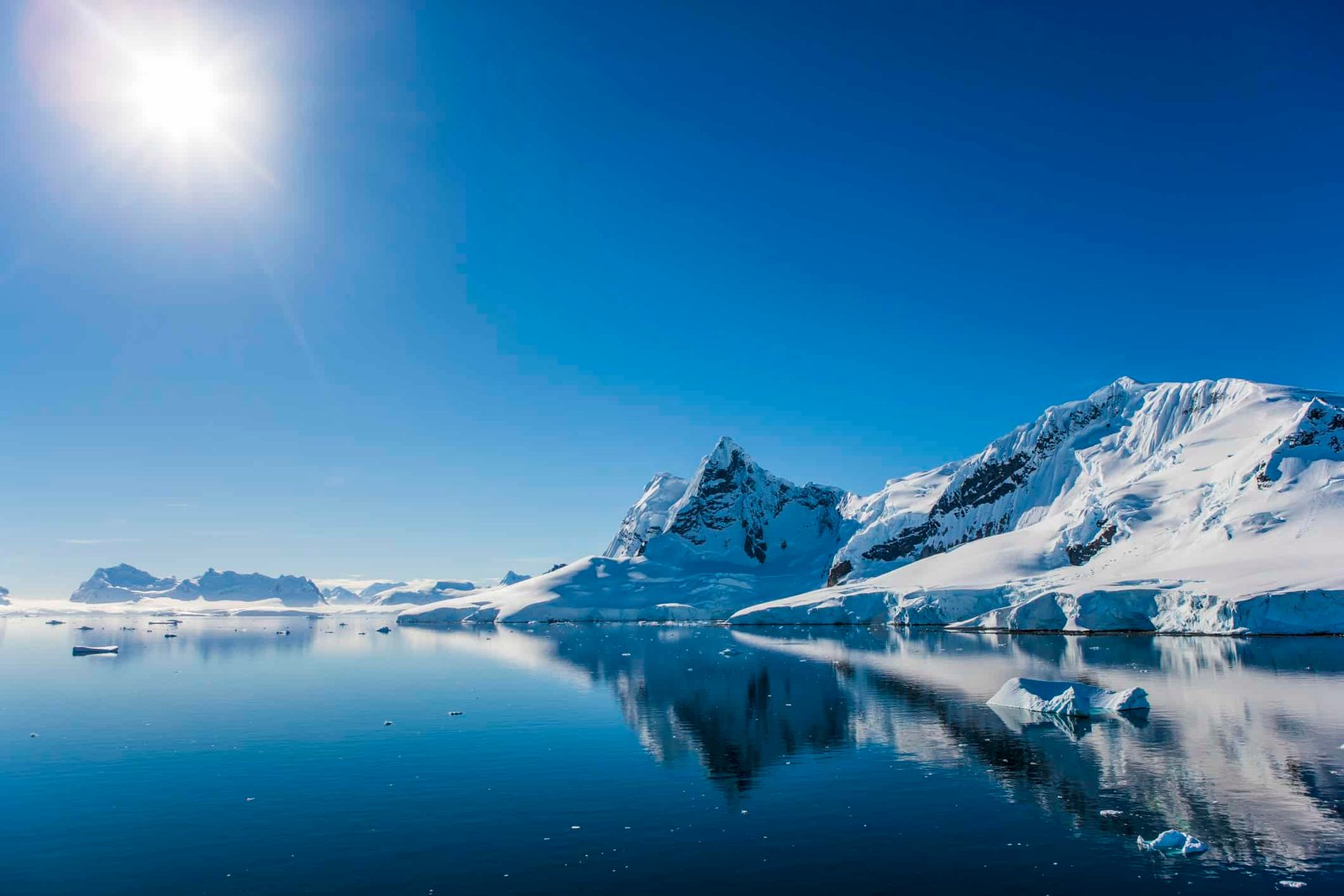
A new study suggests that the idea of constructing a floating curtain of 100 meters high more than 80 kilometers of ice in Western Antarctica may be the fuse of a diplomatic crisis that had never been seen before.
The plan was presented at the beginning of the year in an article to Nature and recently evaluated by postgraduate researchers in International Cooperation Studies at the University of Kobe (Japan).
The Megapro of Geoengineering was presented by a Finnish team with the aim of saving the ice sheet from the melting, which can increase sea level to five meters. The idea is to prevent hot groundwater from reaching the glaciers.
In the new article, analysts consider three political aspects that, according to them, were “completely ignored or dangerously minimized” of the scientific proposal: authority, sovereignty and security.
“In the current climate, with increasing international rivalry and the strategic competence of great power, it would be an extremely unlikely diplomatic achievement to ensure the level of international cooperation needed for the proposed glacial geo -engineering infrastructure,” says the study.
Read -Ne More:
The proposal does not consider the Governance Challenges to increase the bewilderment of Antarctica
- In the early 1980’s, an imbrogly was undone on the extraction of Antarctic minerals from the “Environmental Protection Protocol in the 1991 Antarctic Treaty”;
- The agreement banned mining in the region indefinitely, opening the precedent for future conflict solutions in Antarctica, in the evaluation of researchers;
- In the diplomatic field, Argentina, Australia, Chile, France, New Zealand, Norway and the United Kingdom demand territories in the region, but the 1959 Antarctic Treaty (ATS) “freezed” any advance and preserved for peaceful explorations.
“However, more and more isolated and” exceptional “ATS are pressured by new emerging regulatory challenges, such as those related to bioprospecting or tourism, as well as the growing competition of great powers worldwide, while Antarctic diplomacy has become slow.”
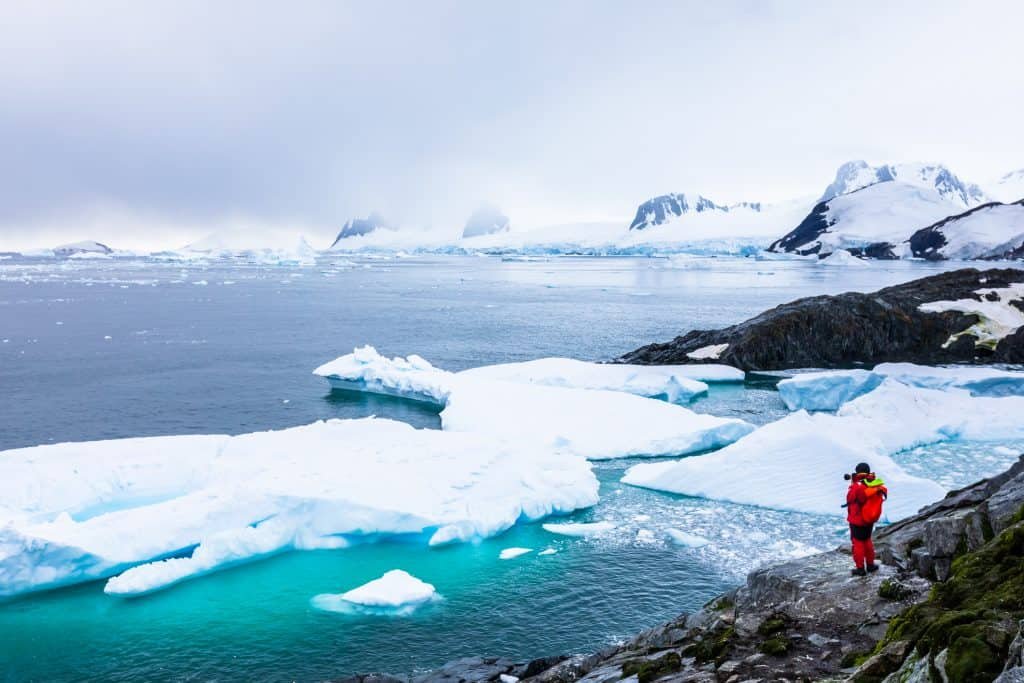
The article reflects that the 29 nations advisory to the Treaty should not be isolated in environmental preservation related to climate change, such as the merger of glaciers that the “curtain” intends to avoid.
“The Pacific Insular Nations would voice if the World North North stations considered them” saving them “from sea level, increasing the conservation of the ice layer? Therefore, these uncertain and disturbing issues of the deepest authority and legitimacy must be discussed,” the researchers ask.
In the future, even if the proposal is technically viable and environmentally harmless, political and legal challenges are important for governance in Antarctica. “Defend the proponents of glacial geo -engineering to consider these reduced risks for ATS more thoroughly and seriously,” concludes the article published in International Affairsby teachers Akiho Shibata and Patrick Flamm.