
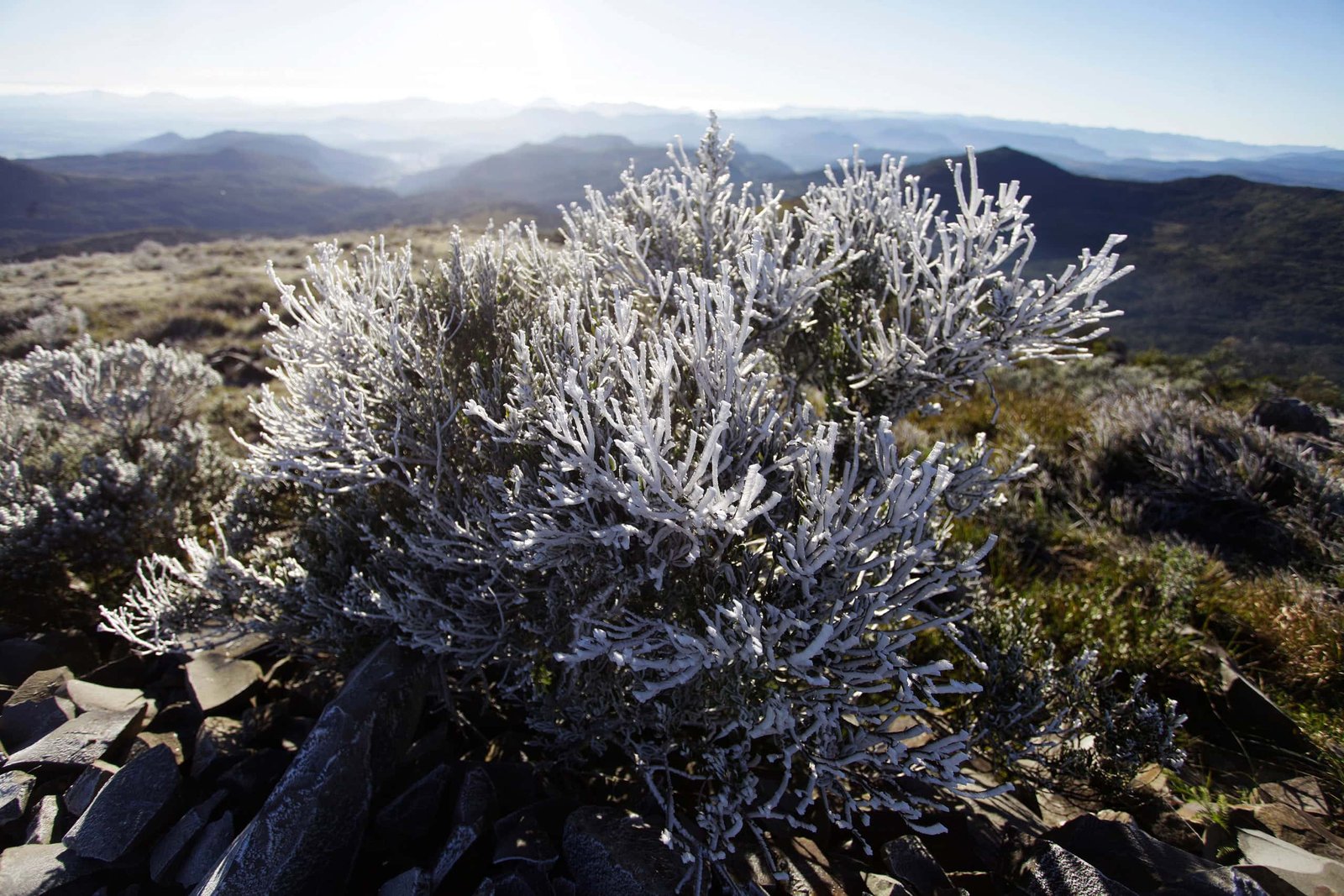
June marks the arrival of winter in Brazil, with significant drops in temperature in the south-country regions of the country. In 2025, the winter solstice, which indicates the official start of the station, will take place on the 20th, at 23:42 (for Brasilia time). At that time, the nights are moving away and the shortest days, making the weather colder.
Reducing the Sun is one of the reasons for the lowest temperatures. This is most notable in the south, apart from the south -east and midwest. The minor exposure to the Sun causes the air to cool more at night, keeping the cold longer.
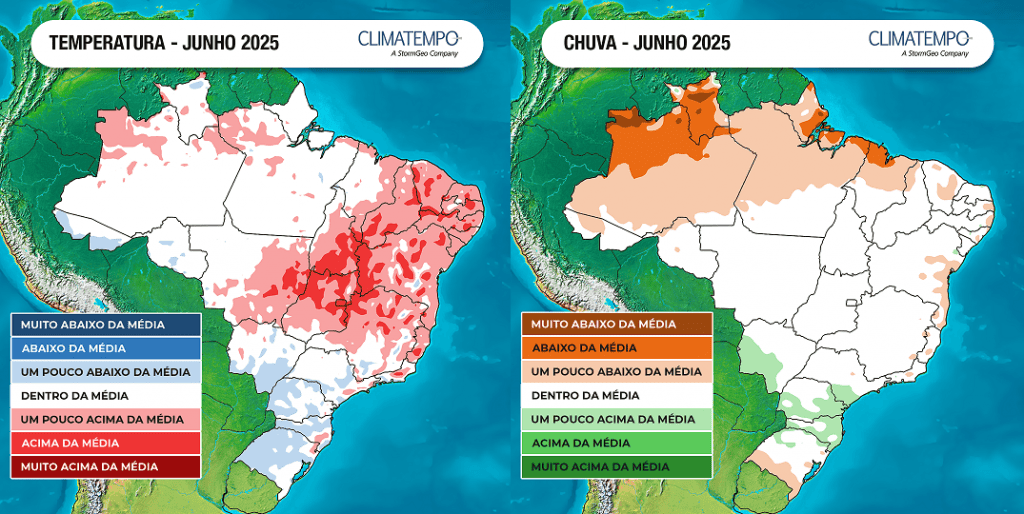
According to the weather weather platform, the forecast for June 2025 is colder in central south than in June 2024. Temperatures should be below the average in the south, São Paulo and Mato Grosso do Sul. Frost, which are layers of ice that form on exposed surfaces that occur more often.
Two episodes of intense cold are expected. One of the first week of the month and one of the last, when the polar air masses advance on Brazil, demolishing the temperatures sharpest.
Despite the cold in the center-south, most of the country will have temperatures above the average. Regions such as the north, the north inside -the west and the west must have hot evenings and little clouds, which strengthens the heat. The heat can exceed 30 ° C in places like the Federal District, northern Minas Gerais, southern Piauí and Western Bahia.
June is a month of little rain
June is also a month with little rain in various regions. It is the traditional dry period in the south -east, in the middle west, in the north -East and states like Tocantins and southern Para. Clouds have a more scary and drier time.
However, in the east of the north -it continues in its rainy season. It is expected that between Rio Grande do Norte and southern Bahia, there will be episodes of heavy rain, mainly caused by the humidity that comes from the ocean. Cold fronts also help intensify these rains.
Cities like Natal, Aracaju and Salvador can register hard days. This is due to the “east waves”, the systems that come from the ocean and bring moisture to the coast, generating rain showers.

In the northern end of Brazil, the rain begins to decrease with the exit of the intertropical convergence area, a strip of clouds and common rain in this region. However, isolated events can still occur in the north of Maranhão, Amapá, Roraima and part of the Amazon.
In the rest of the south -East, the middle west and the north -East, the volume of rain should be inside the expected standard for June, which means little or no precipitation. The cold fronts often pass, but they do not always have rain inside.
Some of these fronts, called continental ones, manage to move inside the country and cause rain in states such as Mato Grosso, Goiás and even to the south of Amazon. However, most cause rain only in the coastal areas.
To the south and the southeast part, some regions should have the rainfall above the average, such as the south and east of São Paulo, to the east of Paraná, to the east and south of Santa Catarina and to the Rio Grande do Sul-Leste. South of Rio Grande do Sul should be less rain than normal.
Inside the country, especially in the Midwest and south -East, it is common to spend several days in June without a drop of rain. When it rains, it is in one or two days, usually with the passage of a cold front.
Dry air will predominate during this period, causing air moisture levels to be very low, between 20% and 30%, especially in areas farther from the coast. This dry air can cause respiratory discomfort and require health care.
Read -Ne More:
The cold is caused by polar air masses
The typical June is caused by the arrival of the polar air masses. These cold air masses are common in the south, south -east and in the middle west and can quickly add temperatures. In some days, thermometers can even set negative temperatures in the southern parts.
More common in the south, frosts can also occur in the south -in the areas of Mato Grosso do Sul. In June, there is even a greater possibility of snow in the southern mountains.

The fog is also common at the moment, especially in the south and south -east. It usually appears in the cold mornings and can deteriorate visibility on roads and airports. Special attention is needed at the moment.
Another prominent phenomenon in June is the great thermal amplitude. This means that the difference between the minimum and maximum temperature of the day can be very high. In some places, thermometers mark 10 ° C in the morning and exceed 25 ° C in the afternoon.
This contrast happens because cloudless nights facilitate the cooling of the air, while the presence of the Sun during the day is heated quickly. Even without polar air, the cold of dawn can be strong due to this process of heat loss at night.
In summary, in June 2025 it will be a typical transition month for winter, with a more intense cold in the southern center, the heat in the interior of the country, little rain in most regions and rains concentrated on the north coast.