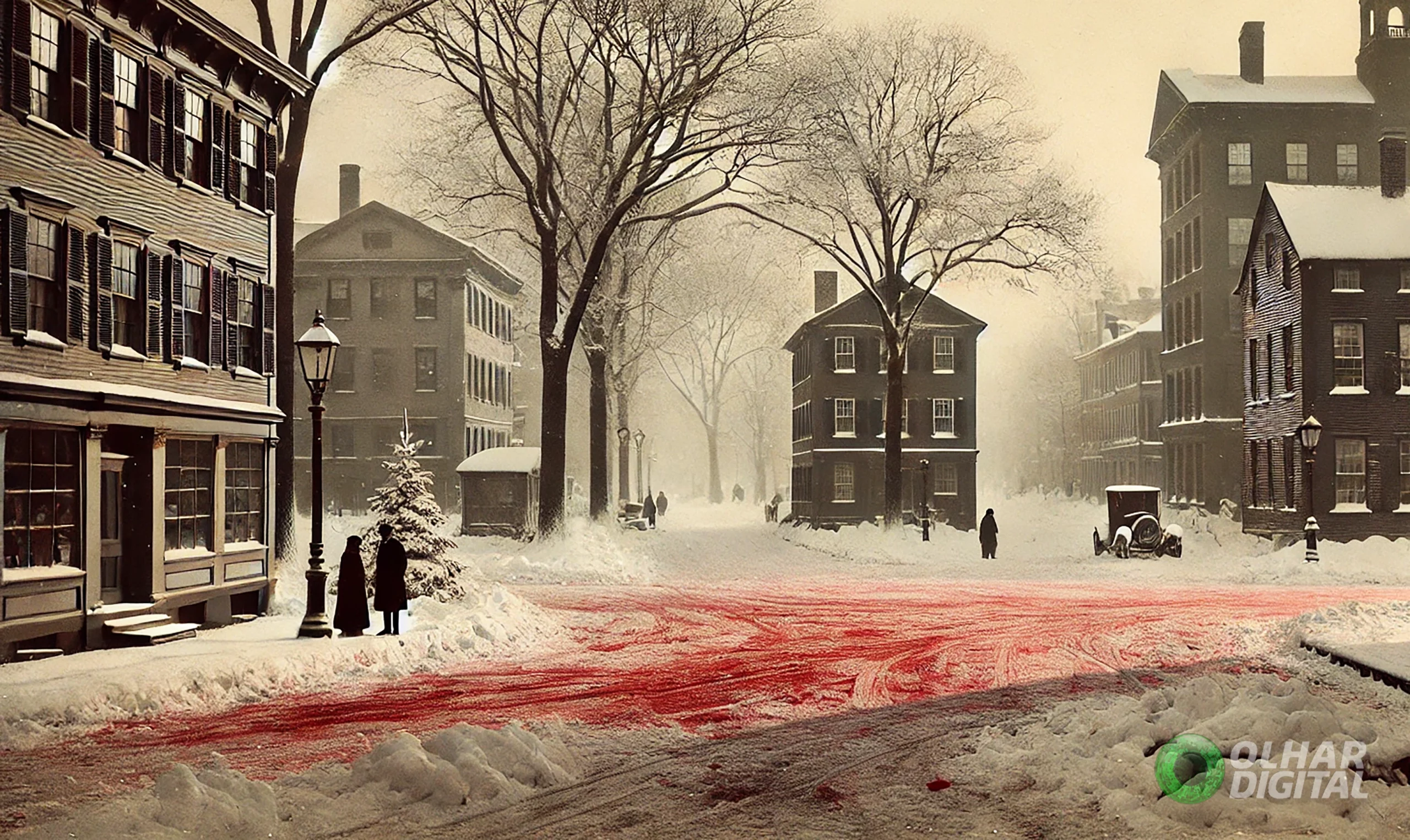
In the early 1930’s, Boston residents, USA, witnessed a strange phenomenon: it began to snow, but the snow was surprisingly red. What seemed like a mystery soon revealed a reflection of one of the most tragic environmental periods in the country’s history: Powder bowl.
It Bowl of dust (“Powder bowl”) was an environmental disaster caused by soil misuse on large plains. The farmers had removed the native vegetation and extended the earth, leaving the soil without protection. When a large drought arrived, the floor became loose. The strong winds began to lift this dust and extended it to long distances.
In a nutshell:
- Boston saw red snow in the early 1930’s;
- The phenomenon was caused by the dust of the center of the United States;
- This pulse was the result of Bowl of dustdisaster caused by soil misuse and drought;
- The storms affected millions, destroyed plantations and aggravated the crisis of the Great Depression;
- The government reacted with environmental actions, showing the importance of preserving the soil.
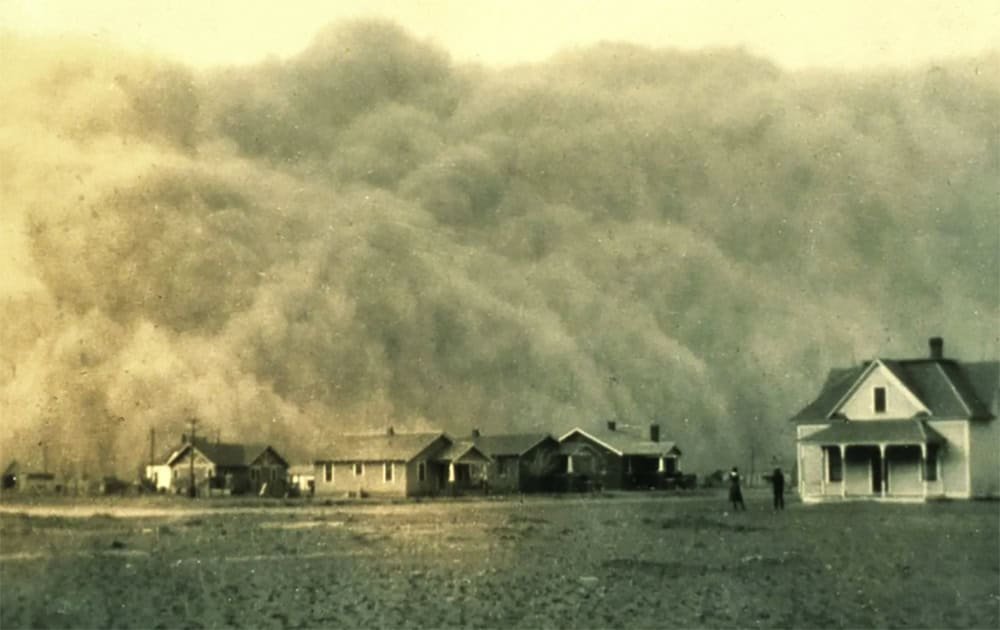
These dust clouds were so dense that they covered houses, cities and even the light of the sun blocked. In April 1934, one of these storms crossed the country and reached north -East. When he found a cold forehead, the blood color mixed with the snow in Boston, dying -all red. It looked like a movie stage.
The environmental collapse caused more than the red snow
While the city saw colorful snow, elsewhere they suffered even more. New York was under an obscure sky, as in an eclipse. In many states, the air became heavy, causing irritation of the eyes and throat. The whole families were sick and could not escape the dust, not even inside.
The “Black Sunday” on April 14, 1935 was one of the worst storms of the period. Cities like Spearman and Hansford County in Texas were covered days. According to file data from the United States National Meteorological Meteorology Time Forecasting Office, the air has become stifling, which is difficult to breathe.
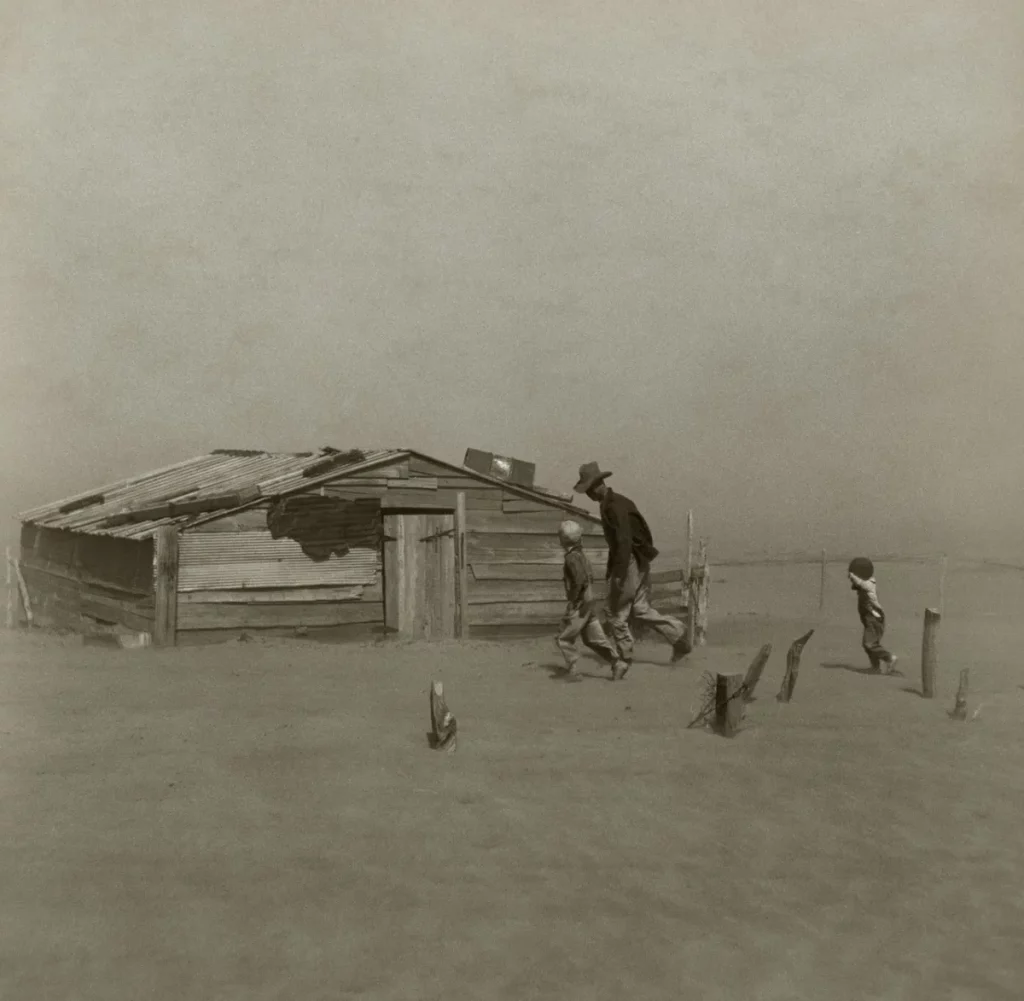
It Bowl of dust affected millions of people. Farmers lost plantations and animals, and thousands left their land in search of survival. This poverty aggravated further during the Great Depression, which had already left the country in crisis.
Read -Ne More:
According to the website IflscienceThe tragedy led the United States government to act with President Franklin D. Roosevelt, creating environmental recovery programs. The country began to invest in soil conservation, reforestation and protection against new droughts. One of Roosevel’s most amazing phrases summarizes the learning of the time: “The nation that destroys its soil is destroyed.”
The red snow was just the visible sign of a much larger catastrophe. It Bowl of dust It has shown how mismanagement of environmental management can affect an entire country and protecting nature is essential to ensuring the well -being of the population.