Follow Olhar Digital on Google Discover
All about china

All about united states

All about artificial intelligence
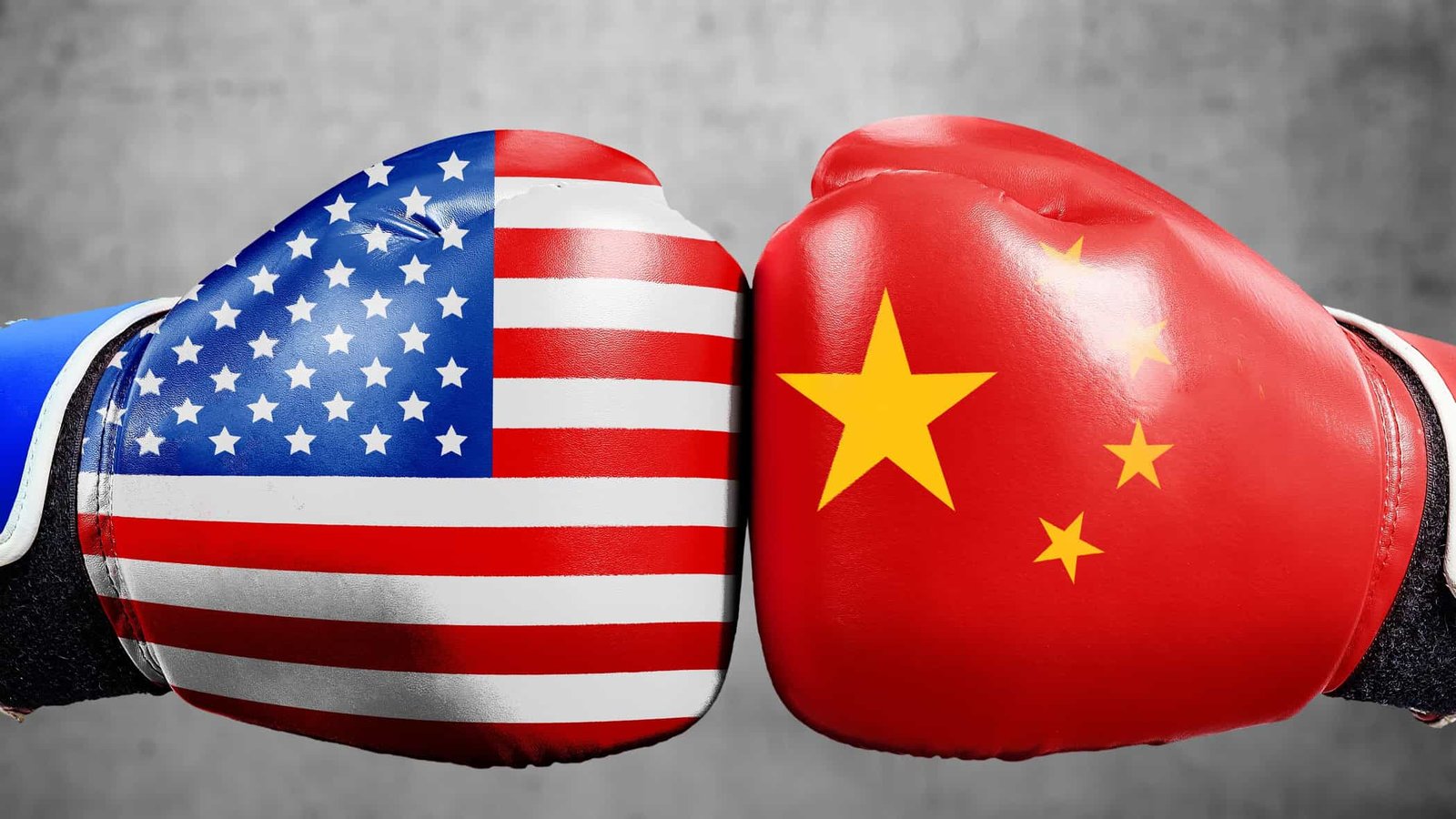
In July 2024, OpenAI blocked China’s access to its advanced artificial intelligence systems. To solve this problem, Chinese programmers began to rely on other open source systems, including one produced by Meta, also American. The information is from the New York Times.
However, the emergence of companies like DeepSeek and Alibaba signal a change in the landscape of advanced AI development. Now these Chinese companies have released their own open source systems, which are among the best in the world. An open source system is one whose underlying technology is publicly shared so that others can build upon it.

This rapid evolution is no accident. The Chinese government has spent a decade channeling resources into becoming an AI superpower, using the same strategy it used to dominate the electric vehicle and solar power industries.
This strategy caused China to reduce its dependence on imports, increasing its manufacturing capacity in high-tech sectors. It was also encouraged in key areas for the development of these AI systems, such as computing power, skilled engineers and data resources.
To focus the country’s engineering talent, the Chinese government has also funded a network of labs where much of the most advanced AI research is conducted, often in collaboration with big tech companies like Alibaba and ByteDance.
In an interview with The New York Timesa research associate at the RAND Corporation, a think tank, said:
China is applying state support to the entire AI technology chain, from chips and data centers to energy.
Kyle Chan
Public x private investment
While in the U.S. data center investments are mostly made by big companies like Google and Meta, in China it’s the government that funds AI infrastructure and hardware, including servers and high-capacity semiconductors. The latter has received investments of 100 billion dollars from the government since 2014.

Beijing has also ordered banks and local governments to lend aggressively, boosting hundreds of startups. In April, it announced it would allocate $8.5 billion to young AI startups.
Some cities also offer incentives, which causes startups to cluster geographically. Dream Town in Hangzhou, a city in southern China that is home to Alibaba and DeepSeek, is known as a hub for AI talent.
Different city districts offer competitive incentives to attract startups to their areas. Deep Principle received a $2.5 million grant from a district in Hangzhou when it moved to the city, Jia said. A local employee helped him find offices and housing for employees.
Read more:
Limitations of the Chinese strategy
- Chinese companies must ensure that all AI products used by the public comply with government information controls.
- China’s leading chip maker, Semiconductor Manufacturing International Corporation (SMIC), still can’t compete with the quality and capacity of Nvidia’s American chips.
- Chinese companies are turning to open-source AI systems as the fastest way to catch up with Silicon Valley rivals, who are believed to be months ahead of China’s most advanced technology.

Despite the limitations, Chinese companies also have characteristics that can become an advantage in the face of competition with the United States.
While OpenAI and Google charge heavily for access to their closed AI systems, China’s approach to making models public has made it easier for engineers around the world to build on top of them.
Chinese tech companies also have a wealth of data on how people use the Internet. This has helped companies like ByteDance, which owns TikTok, develop some of the most popular AI systems in the country.
OpenAI has warned that Chinese AI companies like DeepSeek could lock out US competitors in markets around the world, giving them a chance to set the standards for using the new technology.