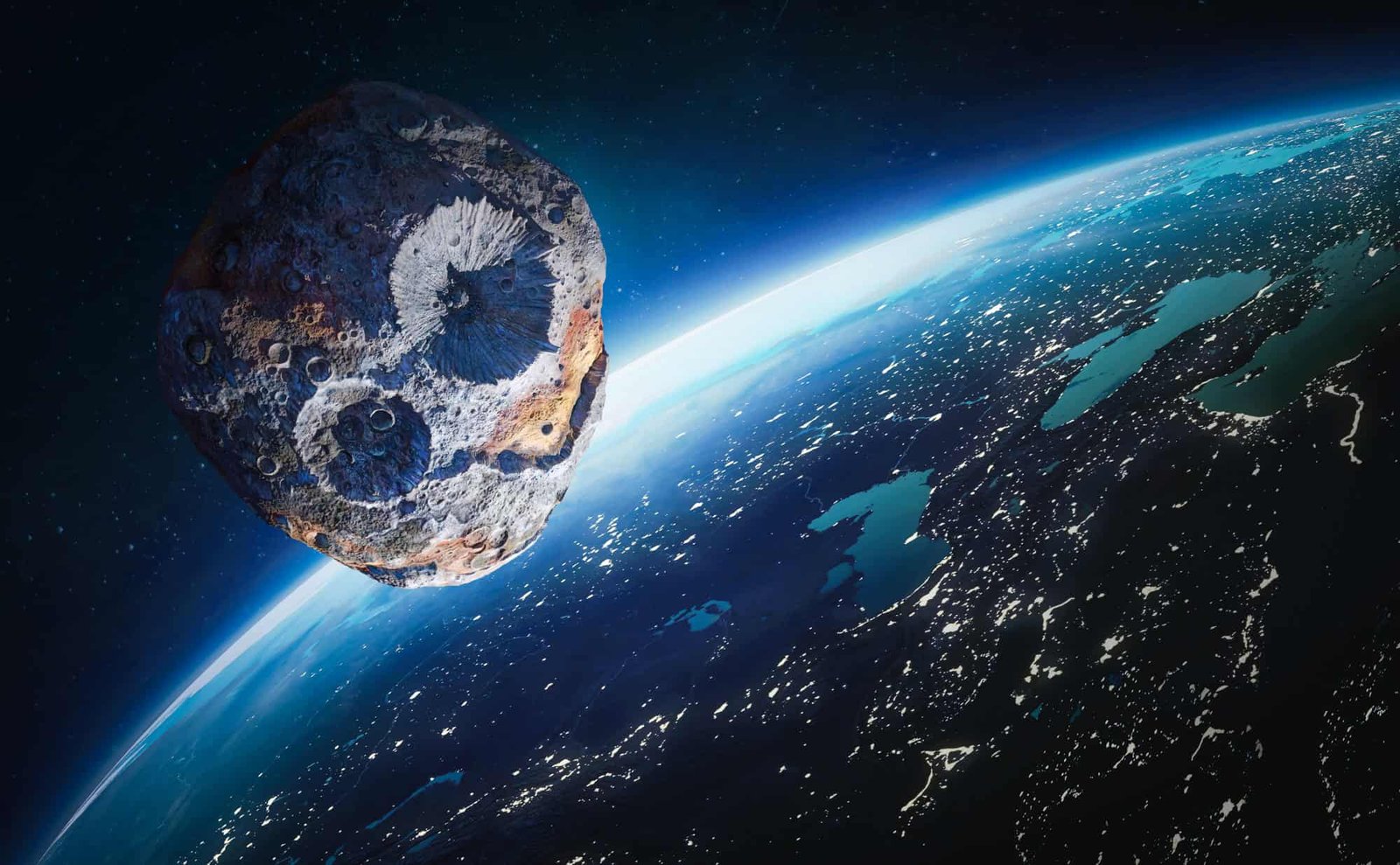
The experiment revealed that the x -rays emitted by a nuclear bomb detonation could divert asteroids from their courses
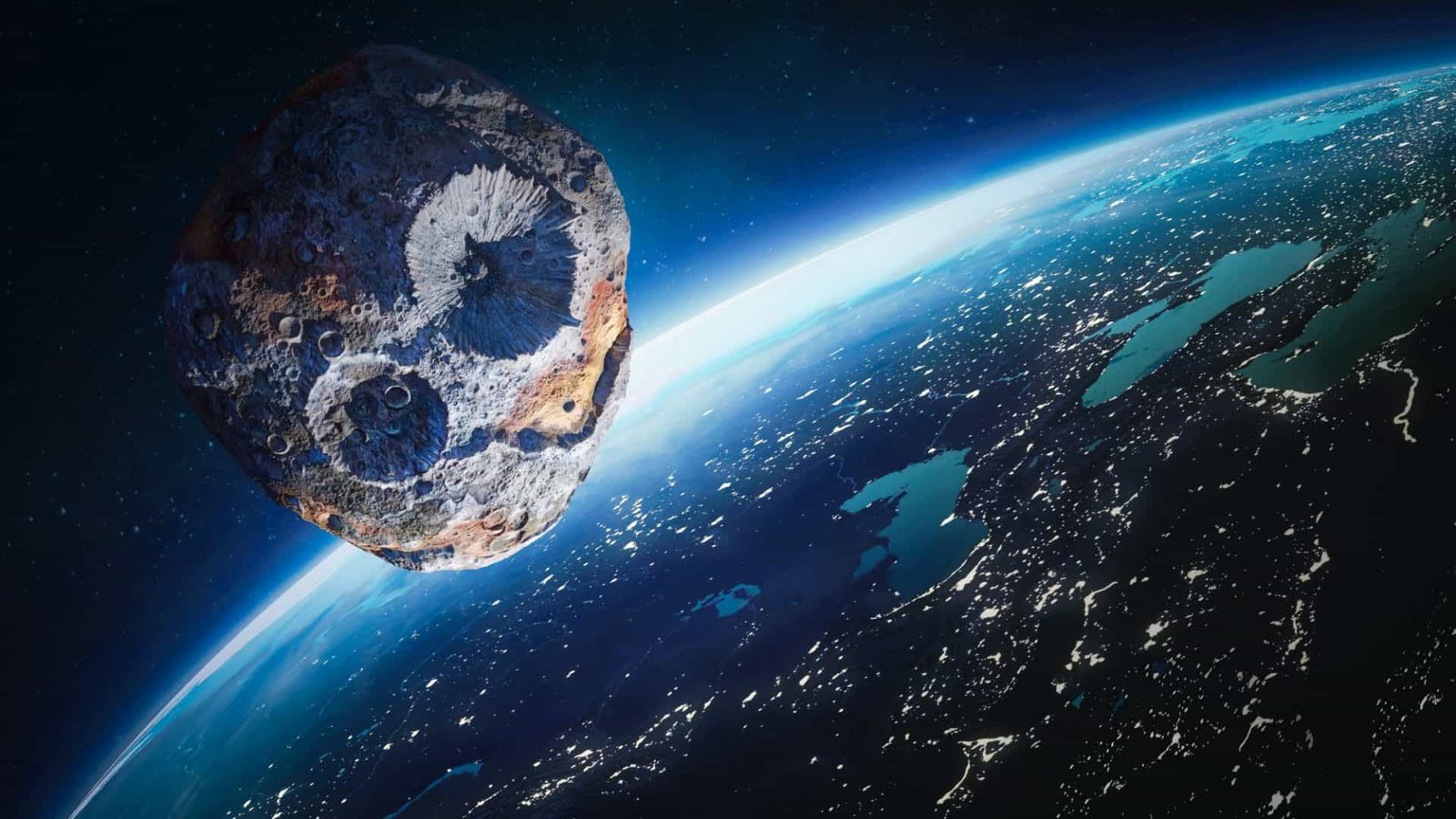
Discovery rules out the need for complex and expensive space missions
- Scientists have made it clear that there is no evidence of the urgent need for these measures.
- However, it would be nice to be ready for it.
- The experiment took place after NASA shows that if a heavy probe hits with a relatively small stack of sufficiently strength space rocks, it should be able to avoid an impact on Earth.
- According to the new study, published in the journal Nature Physics, the approach could be used in different stages and without the need to configure faces and wait for years to analyze the results.
Read -Ne more
The effects of X rays on asteroids
Directed by Nathan Moore, a physicist in Sandia’s national laboratories, researchers used a high -frequency electromagnetic wave generator called Z Potèter Power to extract 1.5 X -ray megajuts from an argon gas tank.
This “bubble” of radiation forced a piece of metal sheet containing a casting chirp or silica, leaving the sample hanging on the free fall enough time to look like a tiny asteroid in the drift in space.
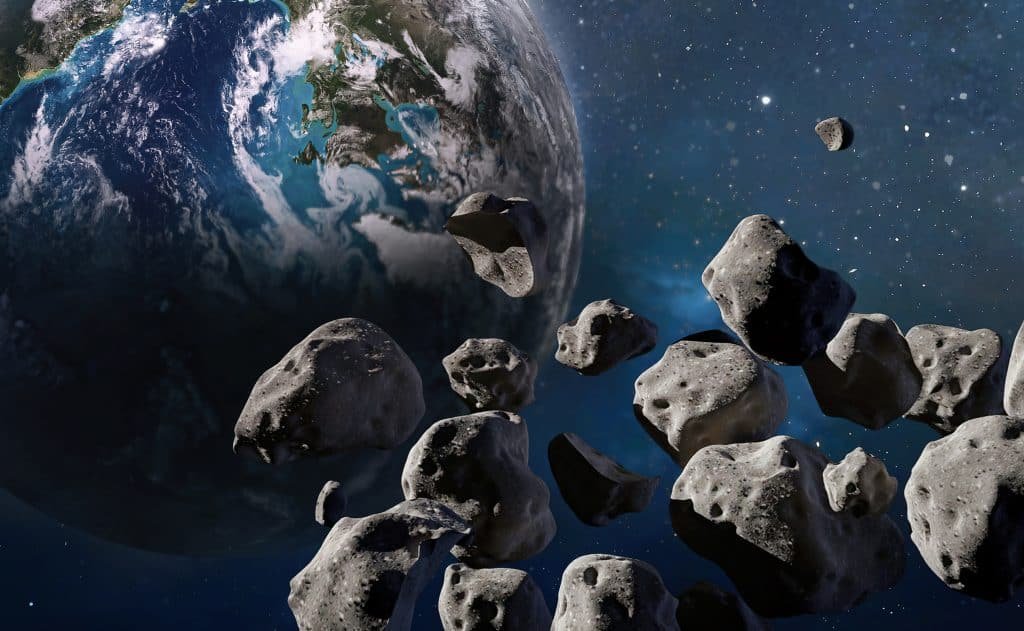
A fraction of a second afterwards, the X Rajos powder passed over the target, removing micrometers from its surface and generating shock waves that provided essential data to researchers.
This could be used to predict the effects of a significantly higher explosion of X -ray in interplanetary vacuum. In fact, the resulting energy transfer means that asteroids up to 5 kilometers in diameter could have their modified courses through this approach, concluded the study.