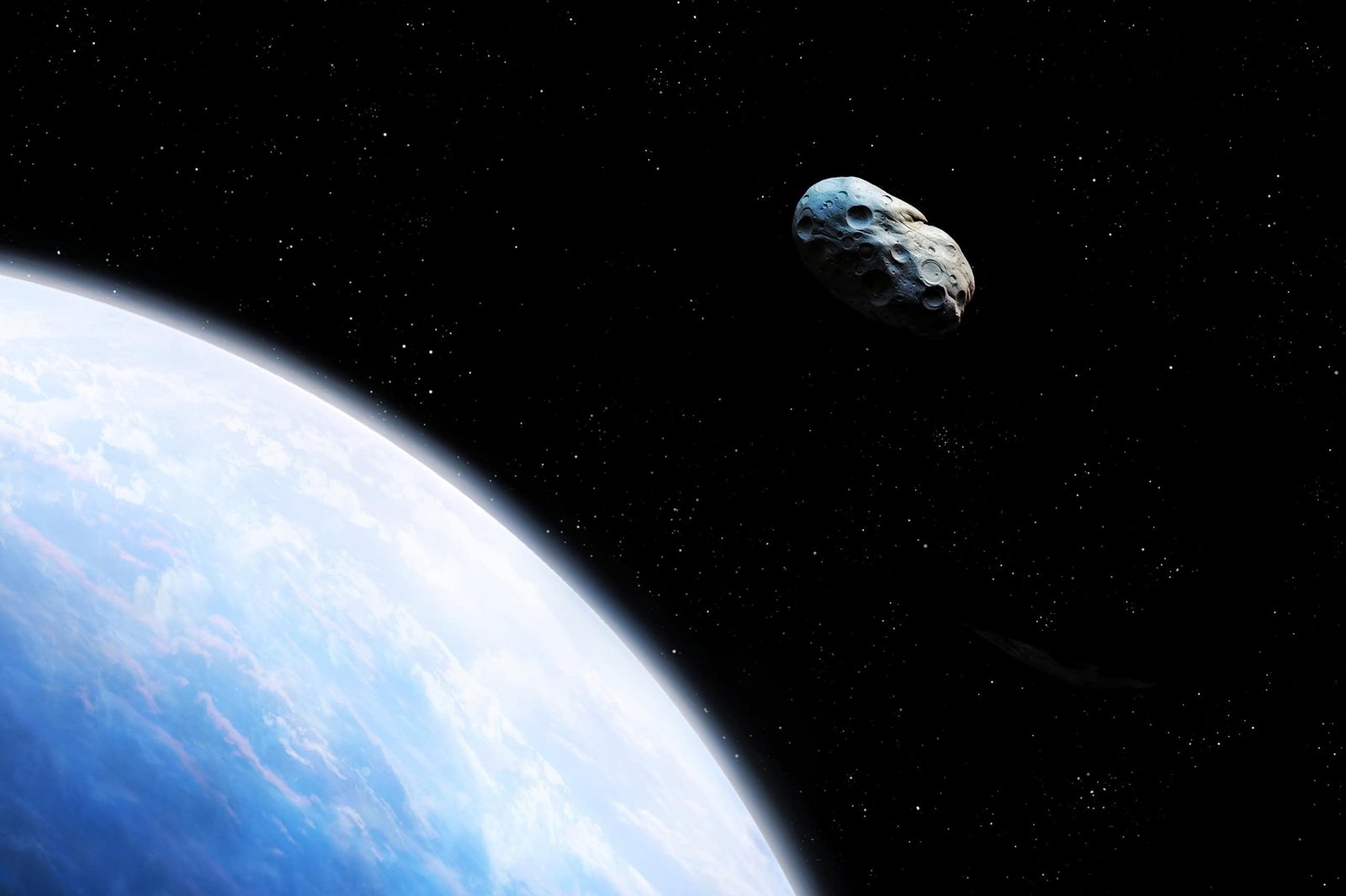
The land will have a full week. From this Saturday (26), five asteroids have to go through the neighborhood of our planet, two of which will approach us relatively. They are all large, with sizes equivalent to that of a plane.
Despite the proximity, none of the stars is a risk to Earth.
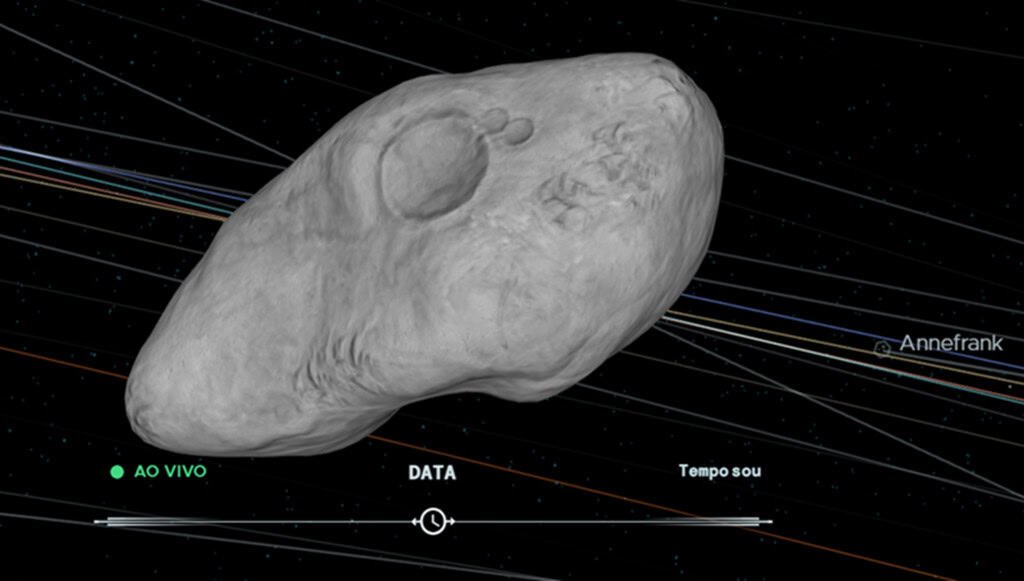
Two asteroids will go through the earth
The first of them is 2025 OX, which must be approached on Earth this Saturday. According to NASA, it is about 33 meters (the equivalent of an average plane of medium size) and will pass almost 4.5 million kilometers from here. It is relatively close if we consider spatial distances … but it is far away.
The second asteroid is 2025 OW, scheduled for Monday (28). It is 64 meters (almost one large plane) and travels at a speed of more than 75,000 km/h. The star should be approached by us, 630,000 kilometers from here. But it can be calm: this is equivalent to more than 1.5 from a distance to the moon.
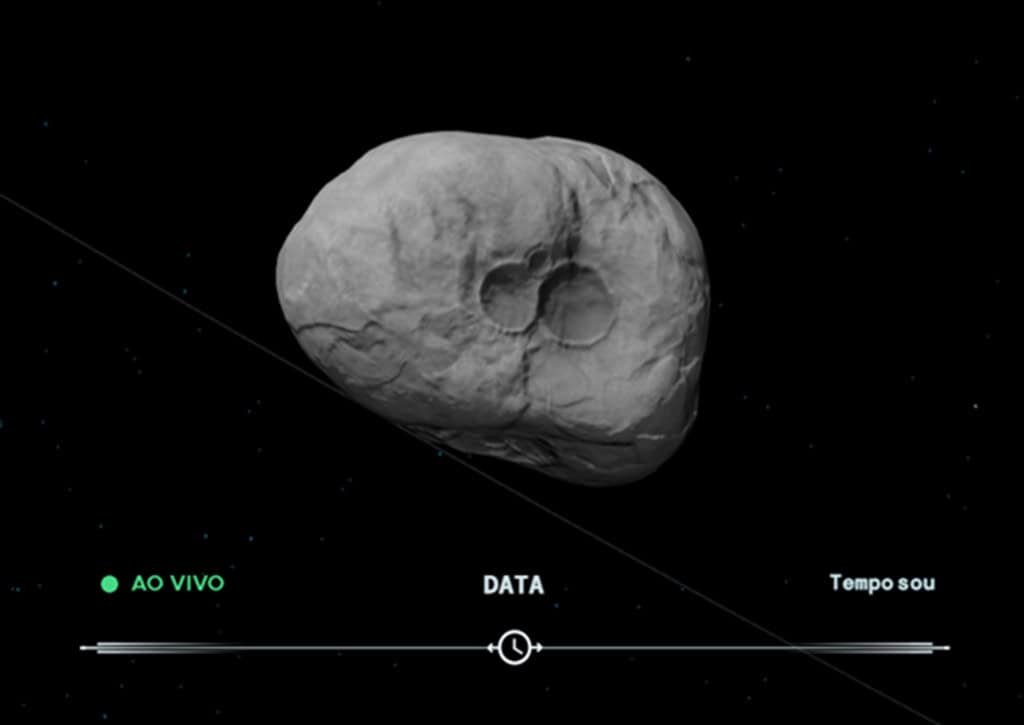
Other asteroids will pass in our neighborhood
In 2025 OW and 2025 OX are closest to Earth in the coming days … but they are not the only ones. In total, they are Five asteroids are expected to cross our space neighborhood.
Meet the other three:
- BE5 of 2018 is also scheduled for 28, Monday. It is 44.72 meters in diameter;
- Already next Thursday, July 31, it is the turn of 2025 or, about 30.5 meters in diameter;
- The fifth and last is the CO1 of 2019, almost 65 meters. It is planned to stop at the week of August 8.
All three should spend about 7.5 million kilometers from here. The precise distance depends on observing the route, which should be more accurate in the coming days.
You can check the asteroid appearance, the exact size and its way through the app Eyes on asteroidsof NASA, in this link.
But you don’t have to worry!
NASA constantly oversees the asteroids that pass relatively close to our planet, the asteroids so portrayed near the Earth (NEO).