Originally programmed to take off on August 18, then it was re-programmed on Tuesday (24), the Spacex crew mission would finally launch to the International Space Station (ISS) on Wednesday (26), carrying two astronauts on board.
However, unfavorable weather conditions caused another extension, this time due to the advance of the tropical storm Helene, which was expected to reach the coast of the Gulf of Florida on Thursday (27) as a hurricane in category 3, according to the hurricane CBS news.
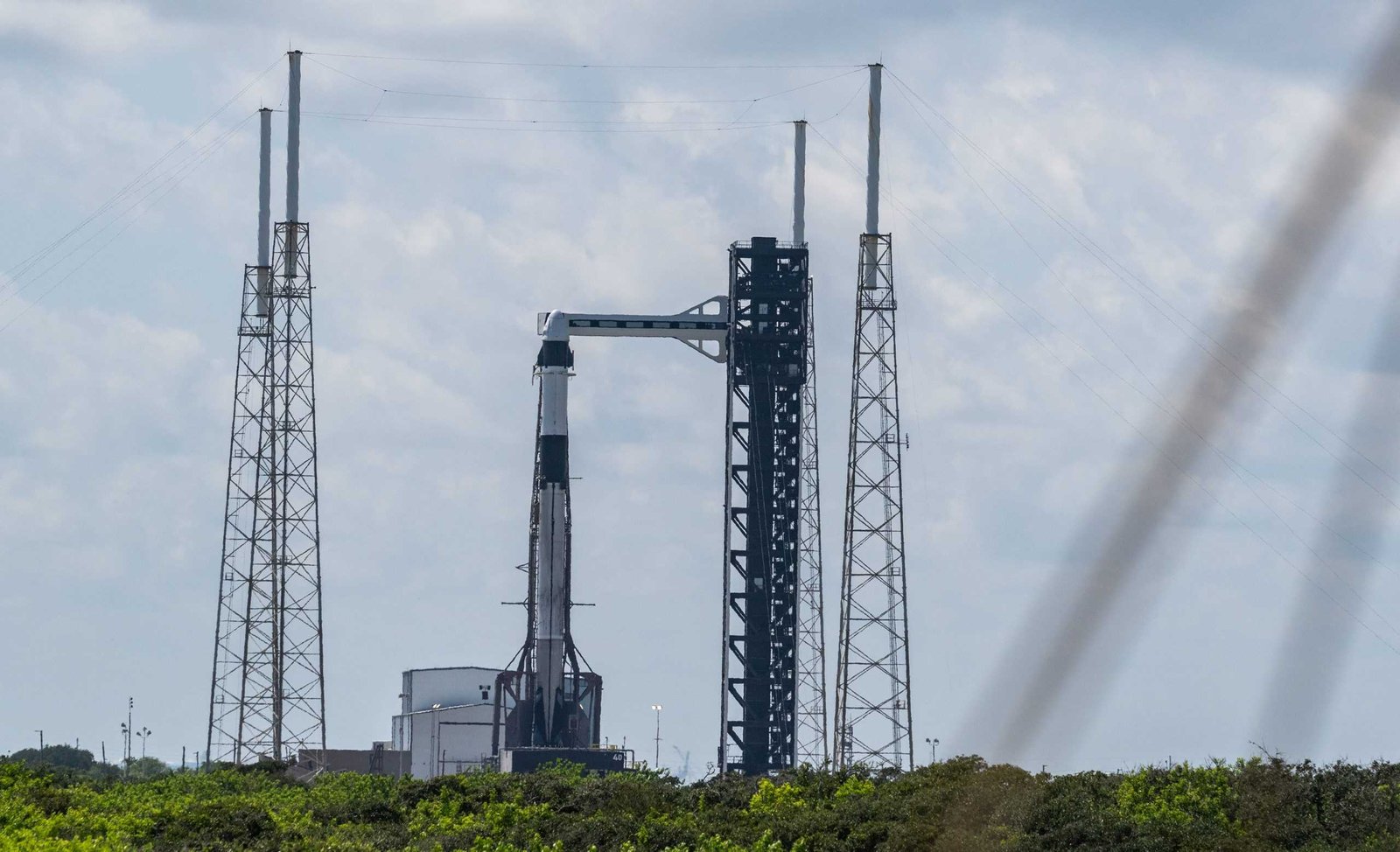
Thus, NASA and Spacex are now trying to launch the mission on Saturday (28). The takeoff is scheduled for 14:17 (Basilia Time). This will be the first launch of a human flight of the 40 -hour launch complex of the Cabo Canaveral Space Station, which is usually used for satellite launches.
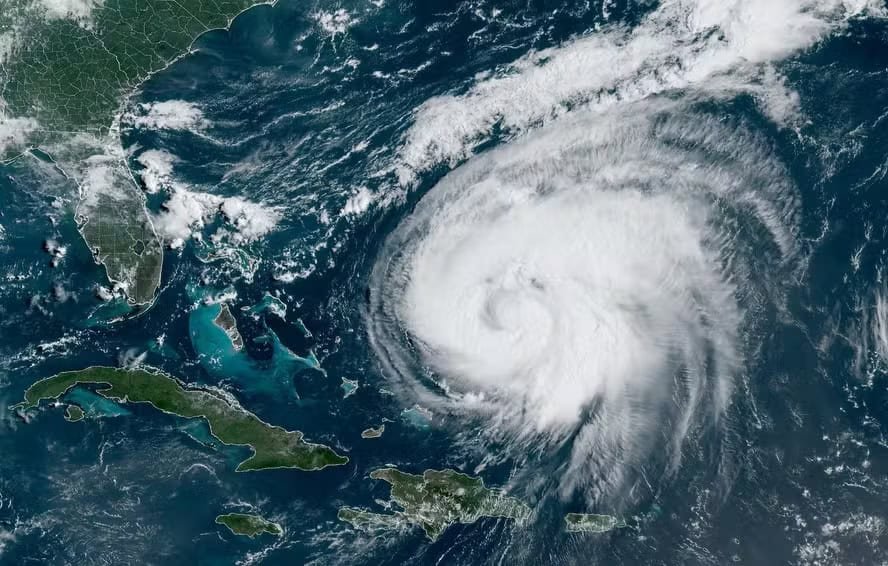
“Although the tropical storm Helene moves through the Gulf of Mexico and should affect the Panhandle de Florida, the storm system is large enough because strong winds and heavy rains will be expected in the regions of the Cape Canaveral and the island of Merritt on the east coast of the state,” NASA says in a statement.
According to the agency, the Falcon 9 rocket to be used to launch the Freedom Freedom capsule of the crew has been positioned on the launch platform on Tuesday afternoon. At night, the members of the mission team did test activities with the hardware, and then the combination of capsule rockets “again” again in the hangar before any possible storm activity. “
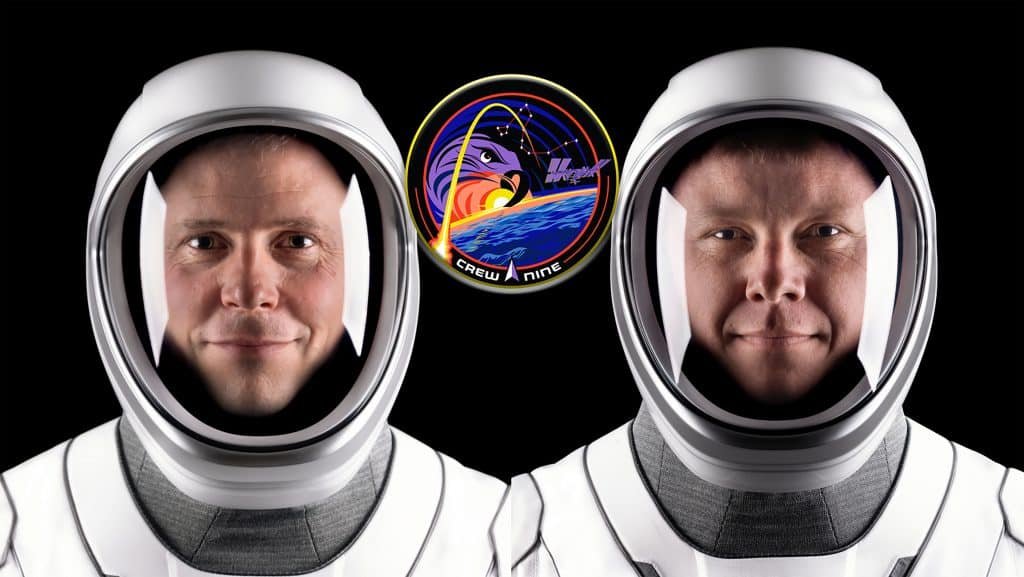
As the name implies, the mission of the crew-9 will be the ninth operation of the astronaut transport by Spacex to NASA in ISS.
Read -Ne More:
Mission Spacex Crew-9 loses two members because of the starliner
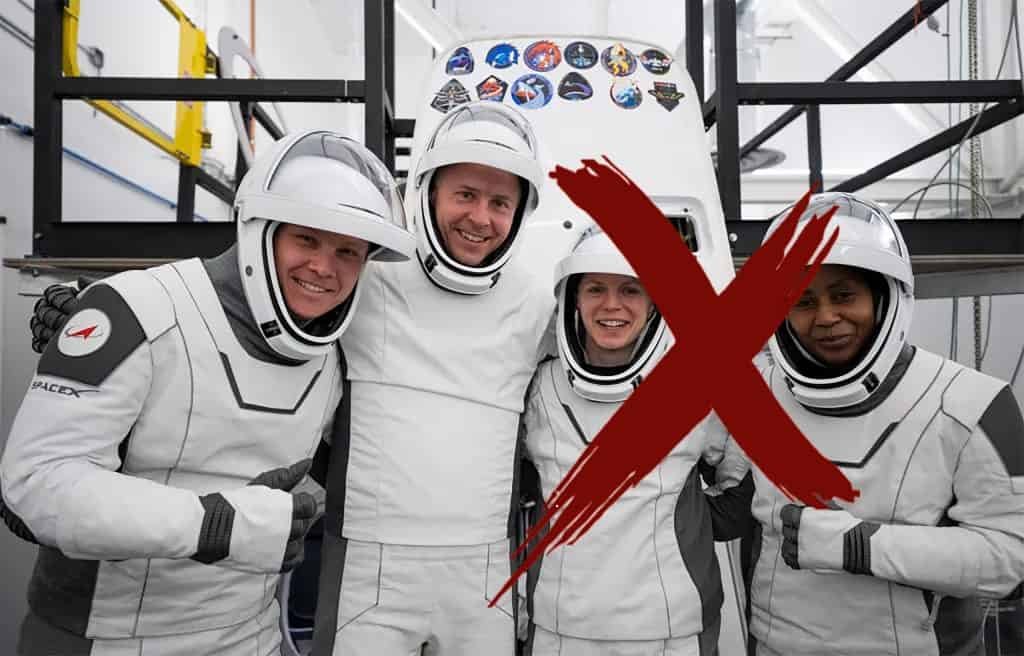
Initially, the crew would have four members, but the composition had to be changed. Now only two people will be sent: Nick, Nasa Astronaut and United States Space Commander, and Cosmonaut Roscosmos Aleksandr Gorbunaut, the Russian Space Agency.
The seats of North -American astronauts -Zena Cardman and Stephanie Wilson, who will participate in the mission, will be occupied by mass simulators, while both remains eligible for future ISS missions.
This change is related to the need to return two astronauts to an extended mission to ISS: Butch Wilmore and Suni Williams. They arrived at the station on June 6, aboard the first manned mission of Boeing Starline. However, the return was compromised after failures in five of the 28 helics of the spacecraft.
After months of investigation, NASA concluded that it would not be sure to rely on the capsule for the return of astronauts, and Starliner returned to Earth empty on September 6.
With this, NASA has developed a plan to return to Wilmore and Williams to a dragon capsule of the crew of the return of the Mission of the crew-9 in February of next year. The Agency also provided a Spacex spacecraft for both of them, as Starliner’s dresses are not compatible with the company’s spacecraft.
If this really happens until February, Wilmore and Williams will have spent eight months in space instead of the eight days planned. Although it is a long period compared to the average duration of missions in ISS, it will not represent a record of permanence. Get more information here.