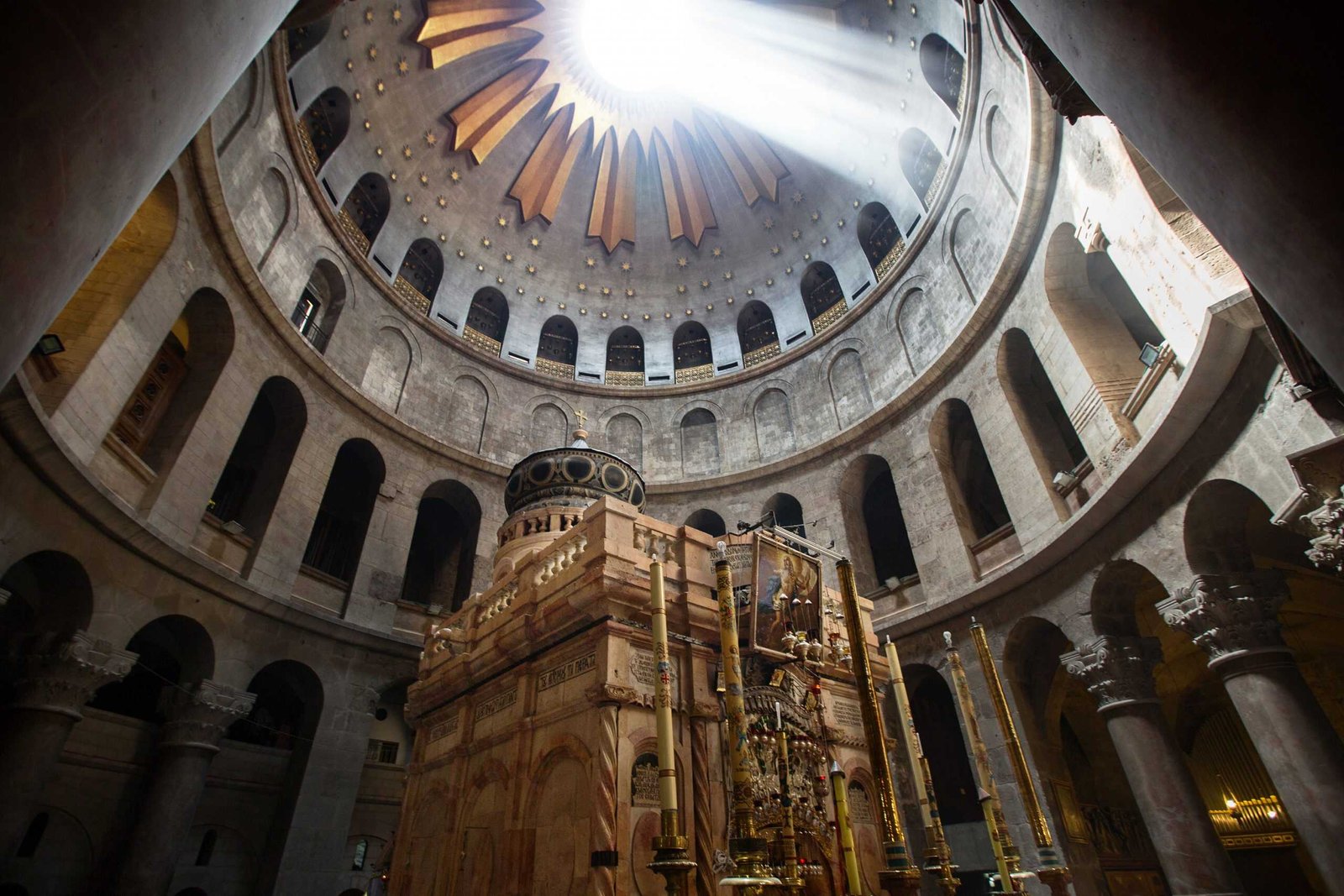
An excavation held in the old town of Jerusalem in Israel has revealed unpublished details about the site. The analysis of biological traces suggests that, about 2,000 years ago, the olive trees and vineyards grew on the field where today is the church of the Holy Sepulcher. The discovery reinforces the biblical description of John’s gospel, which mentions a garden near the place of the crucifixion and burial of Jesus.
Now, where it was crucified, there was a garden; And in the garden a new tomb, where no one had ever been. There, therefore, Jesus said it.
John 19: 41-42
The new research found evidence that supports this narrative. The samples taken from the excavations revealed traces of pollen and vegetables compatible with a landscape of olive trees and vineyards.

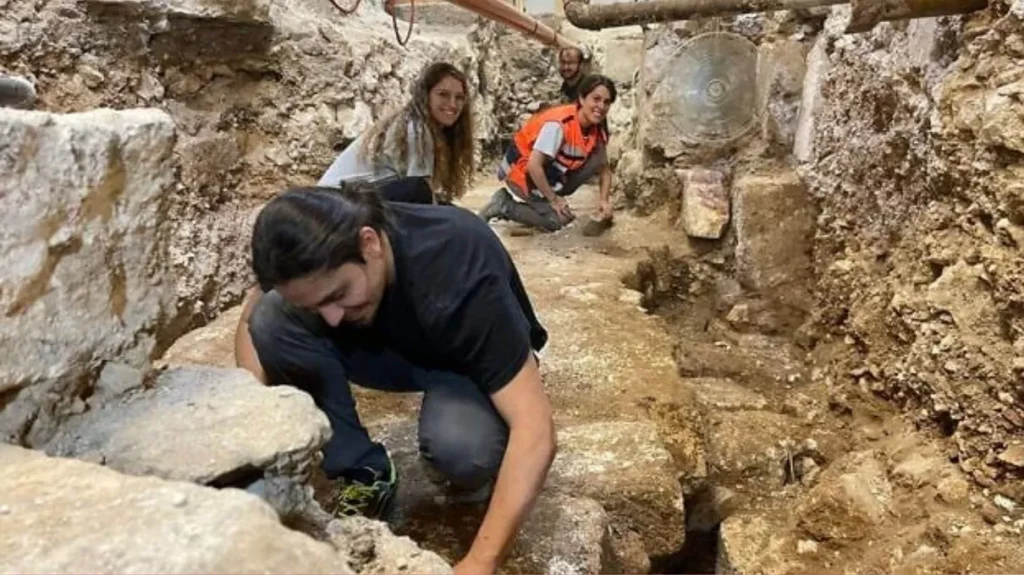
Francesca Romana Stasolla, an archeologist at the University of Sapienza de Rome, Italy, has been running the excavations since 2022. According to her, the presence of these plants indicates that, in Jesus’ time, the area was a green and cultivated space, which is aligned with the biblical account. Radiocarbon tests will still be performed to confirm the exact age of the traces found.
What was in place before the church
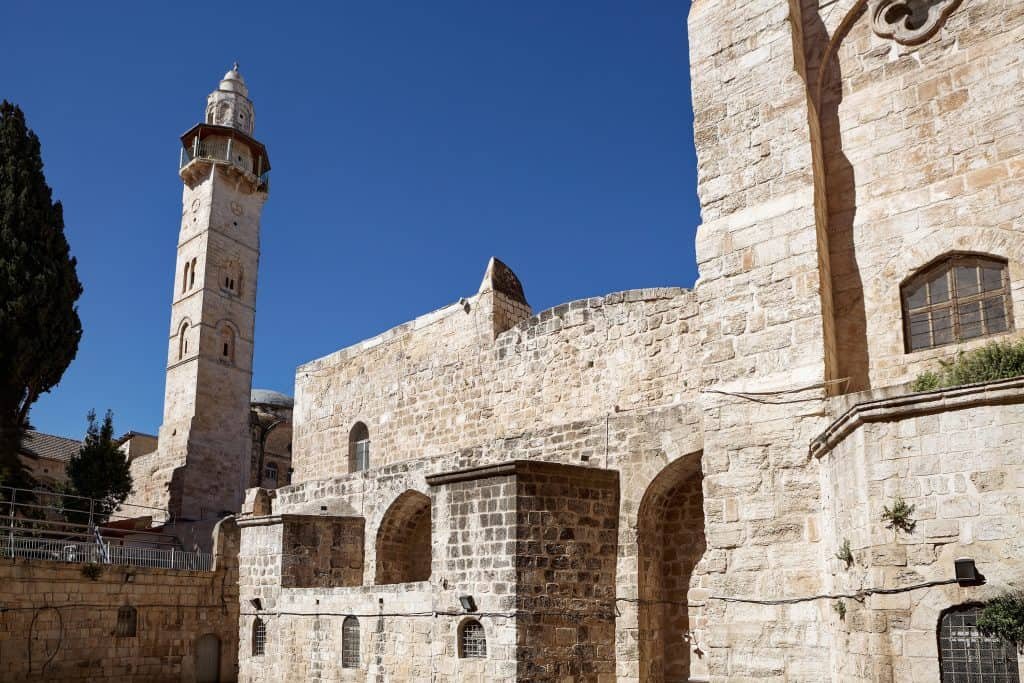
Currently, the Church of the Holy Sepulcher is one of the most sacred places in Christianity, as it is traditionally considered the point of the crucifixion and tomb of Jesus. But the terrain where it was built has undergone several transformations over the centuries.
In Jesus’ time, this region was outside the walls of the city of Jerusalem. Only in the second century, when Emperor Adriano rebuilt Jerusalem as Aelia Capitolina, the place became part of the Roman city. Before, the area was used for agriculture and possibly for burials.
Traces of an old quarry were identified under the church. According to Stasolla, it was customary to reuse old quarries abandoned for other uses. The terrain was then used as a cemetery, and some pits were cut off on the rock. One of them later identified as the tomb of Jesus.
As the church was built and transformed over the centuries
The first religious building erected in the site emerged in the fourth century, when Emperor Constantine adopted Christianity and ordered the construction of a large basilica to mark the place of the crucifixion and burial of Christ. However, the church has suffered several damage throughout history.
In 614, the Persian army burned the temple. In 1009, the Muslim Caliph Al-Hakim ordered its almost complete destruction. In the 12th century, the Crusaders rebuilt the basilica, giving it its current form. Since then, the building has undergone continuous restorations, with its last important renovation in the 19th century.
After years of disputes between the three religious communities responsible for the Church Administration (Greek Orthodox Patriarchy, the Custody of the Holy Land and the Armenian Patriarchy), a new reform was approved in 2019 to replace the building’s apartment. This has opened an opportunity for archeological excavations, which have been carried out in recent years.
As archeologists demonstrated the existence of the garden
The Stasolla team used advanced methods to identify vegetation remains in the area. The layers of the soil and the pollen samples preserved for centuries under the soil of the basilica were analyzed. The results indicated that in the past the place housed olive trees and vineyards, plants common in the Mediterranean region and were often quoted in the Bible.
The discovery is significant because it confirms that the area described in the gospels really existed a “garden”. The investigation also suggests that the environment around the tomb of Jesus was different from the one who imagined. Instead of an arid, rocky space, the place probably had vegetation and was used for cultivation.
Read -Ne More:
The complexity of the excavation in a sacred place
Performing archeological excavations under one of the most important temples of Christianity requires a lot of precaution. The Italian team working on the project had to divide the space into small areas, excavate one at a time and cover each section before opening a new one. This allowed pilgrims to continue to visit the church without great interruptions.
“If we imagine we are setting up a puzzle, we excavate one piece at a time, but in the end we will have a complete multimedia reconstruction of the general image,” Stasolla said to the place The times of Israel.
The researchers also faced technical challenges. As the Holy Church Sepulcher has been built and rebuilt several times, there are many overlapping historical layers. Diving this type of place requires meticulous work to differentiate each period without compromising the most recent structures.
Confirmation of the biblical story of Jesus’ tomb
Although archeology cannot demonstrate religious events, such as the resurrection of Jesus, the evidence found that it strengthens the historical elements described in the Bible. The existence of a garden near the Crucifixion site is a detail that has not been shown so far.
For scholars, this discovery not only confirms the description of the gospels, but also offers a new understanding of the Jerusalem landscape of the first century. Knowing that the area around the tomb of Jesus was a garden helps to better visualize the stage in which events narrated in the Christian tradition took place.
The investigation is still underway and a new analysis should provide more details about land use before building the church. Additional tests can determine the exact age of the remains of the plants and confirm that there was already an active garden during the period in which Jesus was crucified.