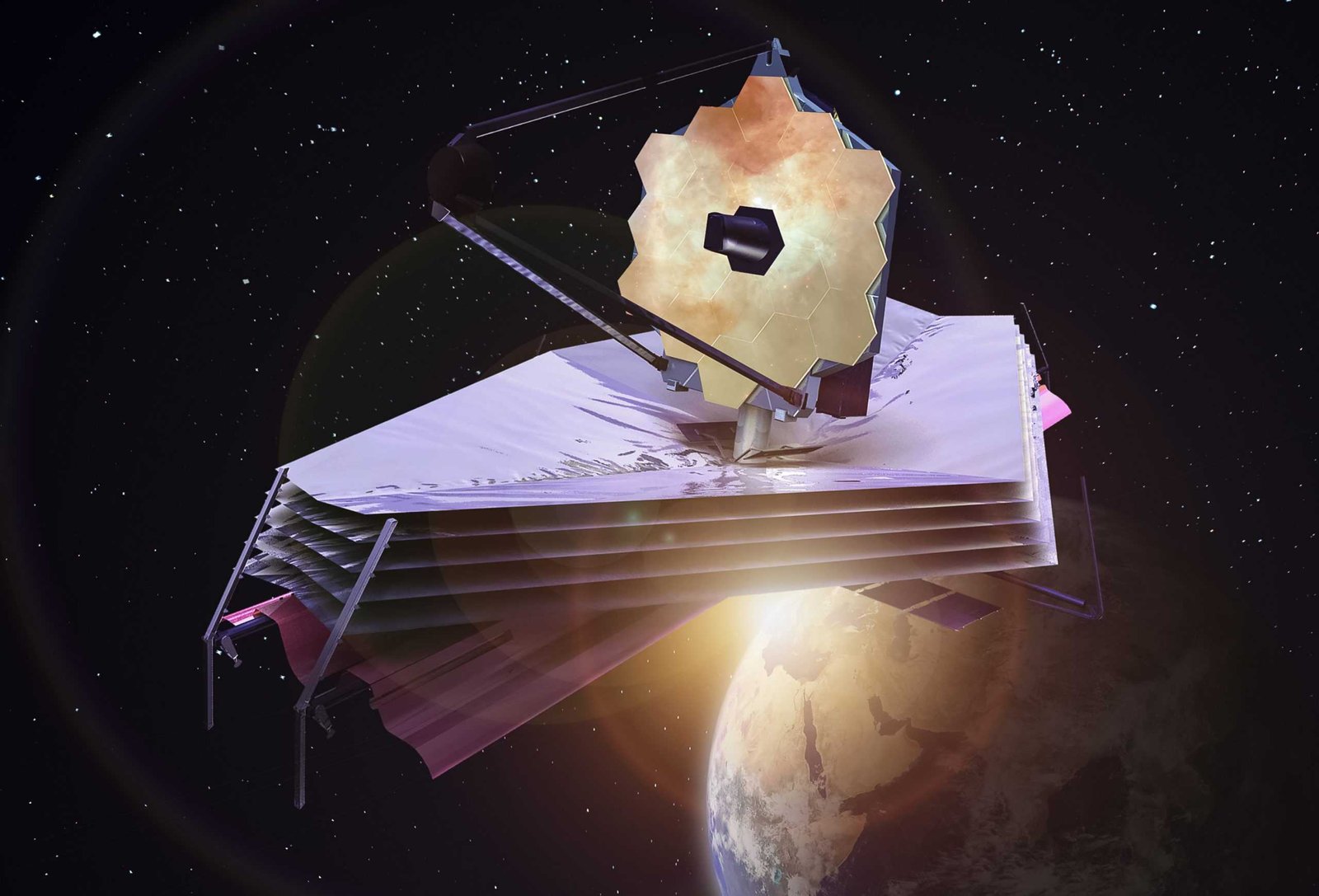
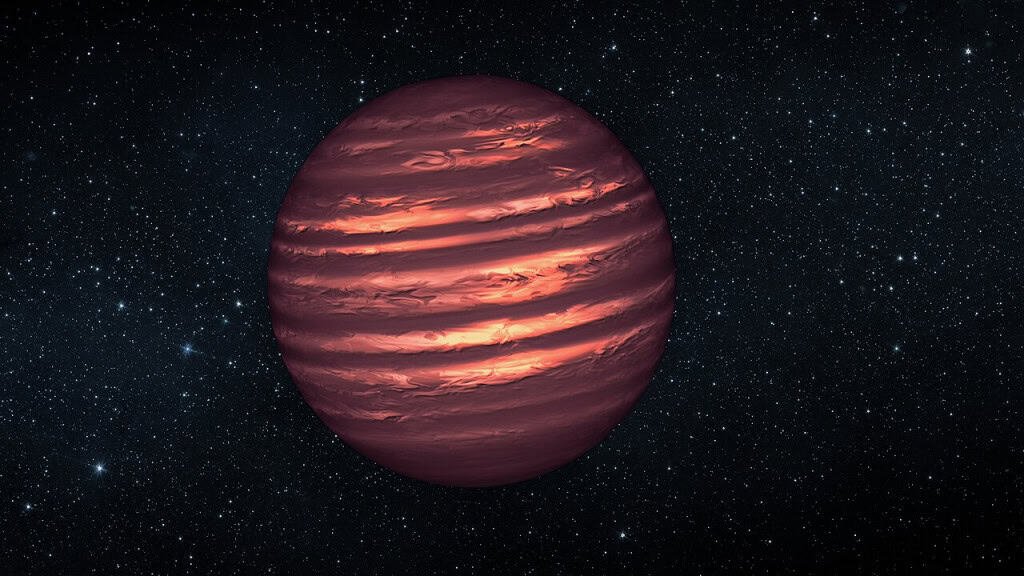
Astronomers discovered new new brown dwarves, nicknamed with “failed stars”, including the two smaller examples of this type already identified. The discovery was made at NASA (JWST) JAMBB (JWST) data, which has the ability to observe very cold and distant objects.
Directed by Kevin Luhman, a postdoctoral researcher at the Pennsylvania State University, the study was published on Tuesday (10) in the scientific journal The Astrophysical Magazine Letters.
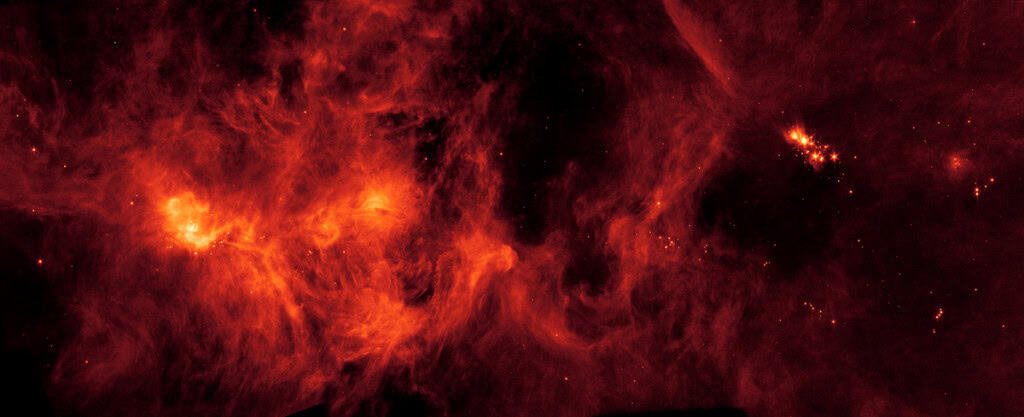
The observed brown dwarves are in a star cluster called IC 348, inside the Molecular Cloud of Perseus, about a thousand light years from the Earth, a region known for accommodating young stars in formation.
Why “Failed Stars”?
Brown dwarfs are called “failed stars” because they are formed as stars, but they cannot reach the mass enough to start the hydrogen fusion in Heli, a process that maintains bright stars. Without this fusion, it does not enter the main sequence, which puts them in an intermediate category between stars and planets. However, they can perform other types of lighter nuclear reactions.
Before this discovery, it was believed that brown dwarves were between 13 and 60 times the mass of Jupiter. However, two of the objects identified in this study only have about twice the mass of the giant giant, which represents about 0.2% of the mass of the sun. This surprised the scientists, as these tiny celestial bodies formed the same process that creates stars.
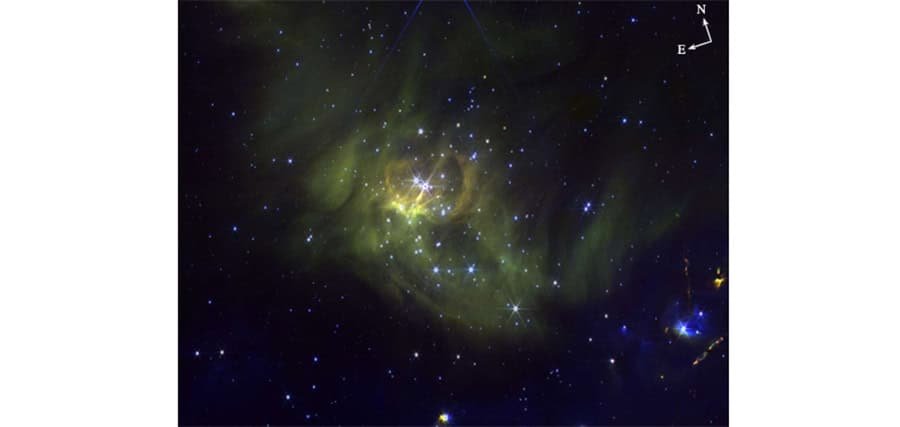
Another important detail is that one of these brown dwarves has a gas and dust disk around it, similar to the planets that form planets. This indicates that very small bodies can be planetary system centers. Until then, it was thought that only the largest stars could house planets around them.
In addition, the team found a mysterious chemical compound in the atmospheres of these brown dwarves. It is an unidentified hydrocarbon, consisting of carbon and hydrogen atoms, but different from methane (which is usually found in this type of objects). This compound had been detected only in the atmospheres of Saturn and his Titan moon.
Read -Ne More:
James Webb was essential for discovery
“The presence of a hydrocarbon and not -unidentified meth is completely unexpected and inexplicable,” Luhman said to the site Space.com. “Due to the presence of this hydrocarbon, we proposed a new spectral class (H) that is defined by the presence of this species.”
Luhman explained that the webb was essential for discovery. “Because they are cold, brown dwarves are brighter in infrared wavelengths and JWST is the most sensitive infrared telescope to date.”
Researchers want to make new observations exactly understand which molecules are present in these atmospheres. They also plan to analyze other brown dwarf candidates with pasta as low as Jupiter’s. If confirmed, these observations can change what is known about the boundaries between planets and stars.
According to Luhman, there may be smaller brown dwarves, hidden in the same region studied. He believes that the deeper webb images can reveal even lighter objects, perhaps even smaller than Jupiter, challenging the current definitions of astronomy.