A survey presented on Thursday (10) at the National Astronomy Meeting of 2025, coordinated by Royal Astronomical SocietyIn Durham (England), he made a significant revelation about Mars: The planet May have been wetter than we thought.
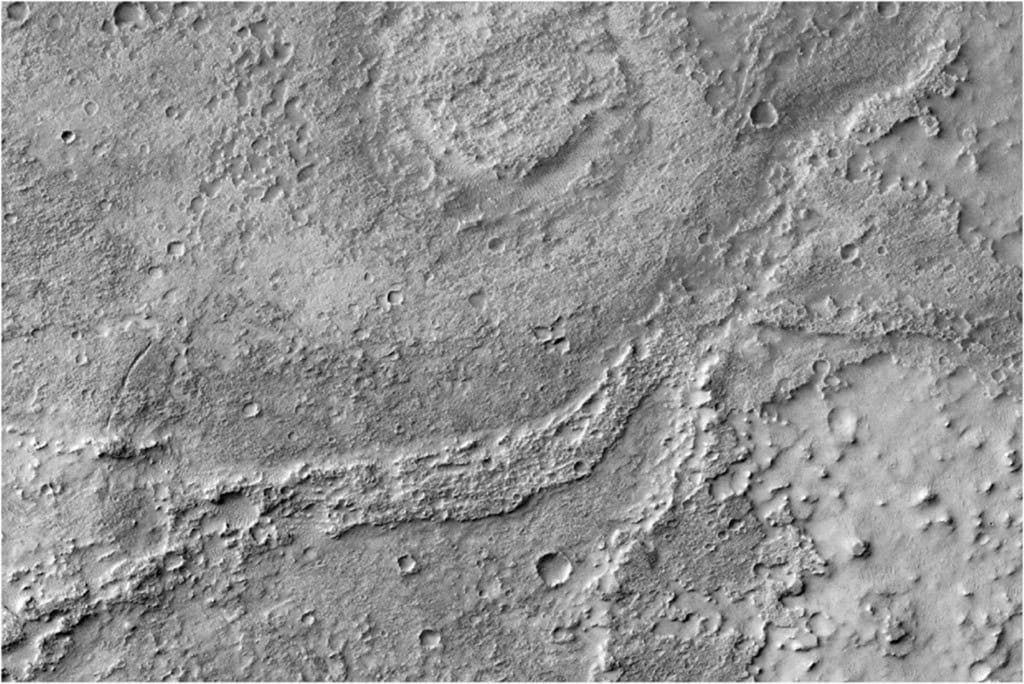
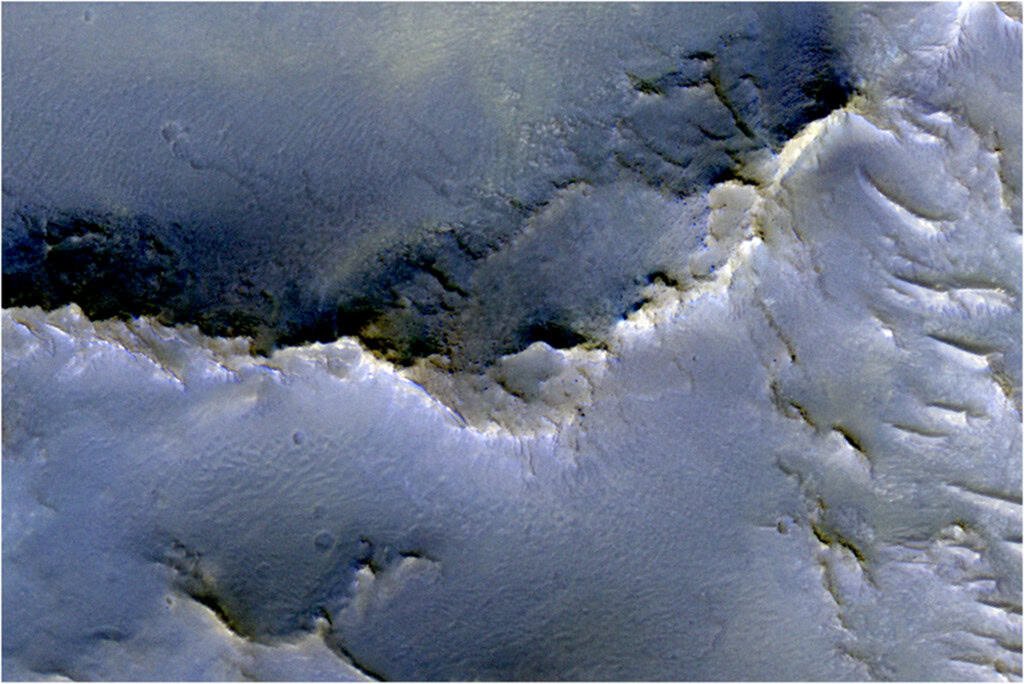
The work observed winding ridges in the region of Noachis Terra and suggested that the The water that fed these rivers may come from precipitation.
Signs of rivers on Mars suggest running water
The survey was led by Adam Losekoot, a doctoral student at Open University and funded by the United Kingdom Space Agency.
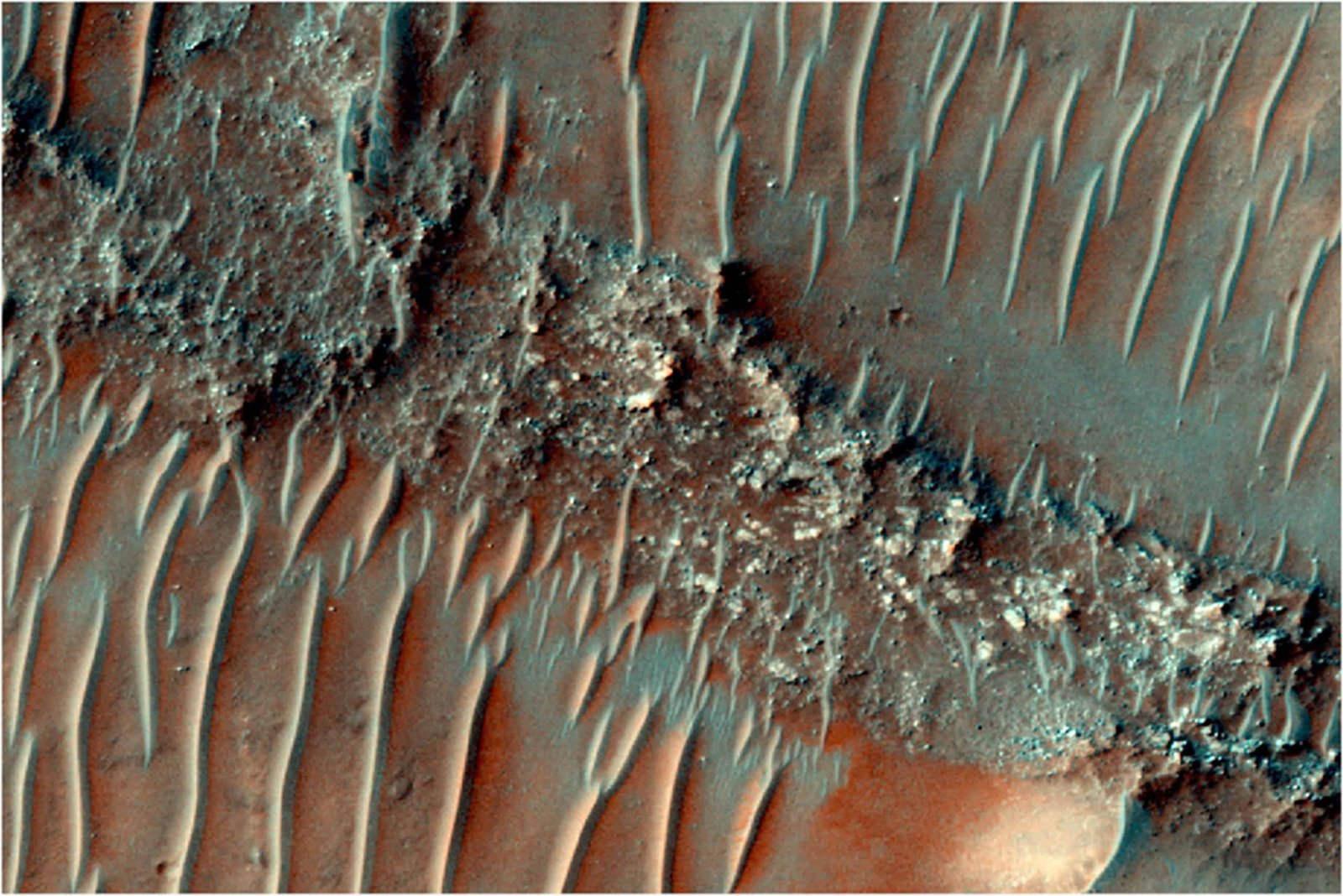
The work focused on the study of river ridges in Noachis Terra, a region in the highlands of the south of Mars, seeking evidence of old surface water. The terrain is not as explored as other parts of Mars, but its eroded characteristics were important for discovery. Even Losekoot called the “time capsule that records fundamental geological processes”.
To perform the analysis, the team used three orbital instruments: the context camera (CTX) and the high -resolution image science experiment (Hirise), Mars Reconnaissance Orbiter (MRO) and Mars Orbiter Laser Altimeter (Spring).
The obtained data set allowed the location, lengths and morphology of the ridges to be mapped. The result: a Discovery of more than 15,000 kilometers of old rivers beds on Mars, suggesting that the planet was much wetter than thought.
The water probably came from the rain
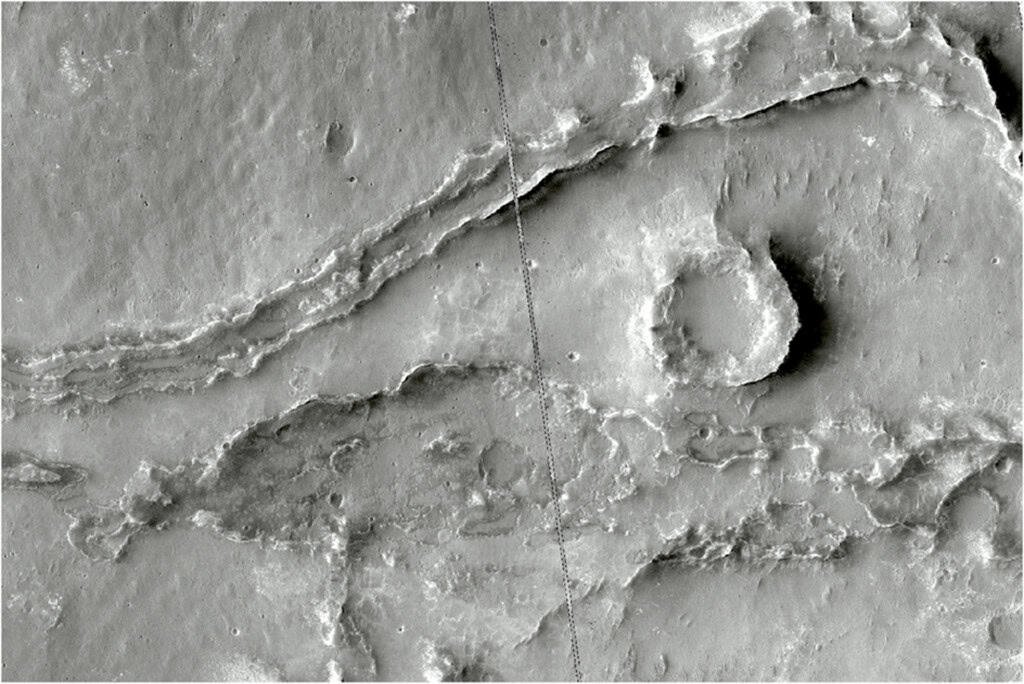
The researchers believe that these ridges were formed when the sediment deposited by the rivers hardened and exposed, suffering from erosion.
The analysis of spatial distribution and the extension of the forms indicates that the Most likely, the “supply” source of rivers was precipitation. This suggests Running water has already been abundant on the red planet.
Our work is a new evidence that suggests that Mars has been a much more complex and active planet than it is now, which is very exciting.
Adam Losekoot, Study Leader
The discovery also indicates Surface water may have been stable in the land of Noachis about 3.7 billion years agoIn the geological transition between the Noachian and Hesperi periods.
In addition, as ridges extend through interconnected systems and long distances, The region may have had hot and hot conditions In the past.
Read -Ne More:
New hope for life on Mars?
- The study does not discuss this topic, but contradicts the idea that Mars was cold and dry in the past;
- However, the possibility of stable water and favorable conditions can be important for the development of life on the red planet;
- Recently, the discovery of a rocky outcrop called “Kenmore” also gave evidence of a wet past on Mars, giving a new hope for habitability. It Digital appearance reported this case here.