An article published in the digital version of the scientific journal Icarus Reports that could have been found by mercury on Earth. Two meteorites analyzed by British researchers have characteristics that indicate a possible origin on the planet closest to the Sun.
If confirmed, this will be the first record of mercurial rocks on the ground, offering a rare study opportunity.
To date, no spatial mission has brought samples of the Mercury surface. The only probes that approached were Mariner 10 and Messenger, both of NASA, who only flew on the planet. A controlled landing would be technically complex and economically expensive, with a trip that can take up to seven years to complete.
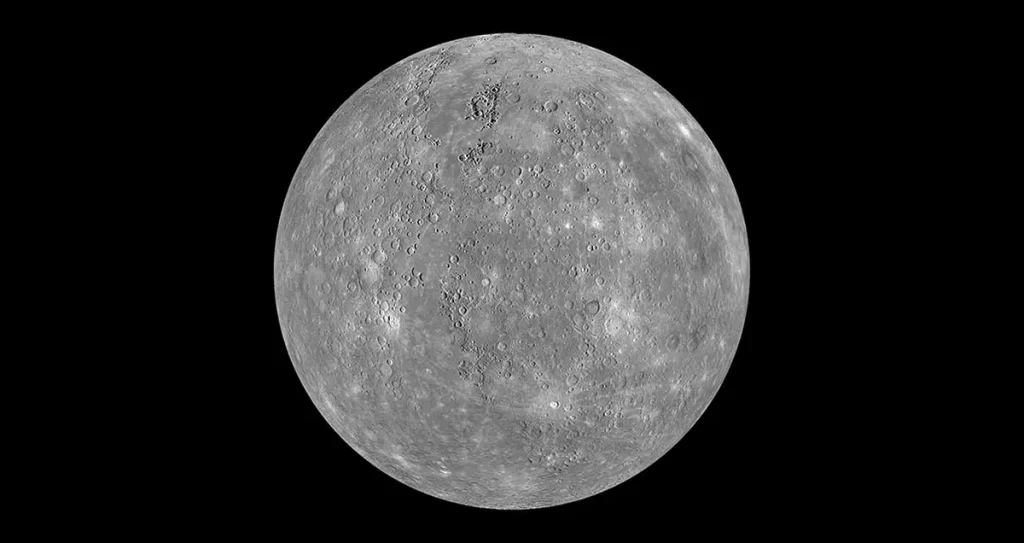
It’s harder to get to Mercury than in Pluto
As the European Space Agency (ESA) emphasizes, reaching Mercury is harder than reaching more distant planets, such as Jupiter or even Pluto. The main barrier is the intense gravity of the sun. Any ship trying to orbit Mercury must stop constantly so that we are not thrown by our host star. This requires a lot of fuel or the use of gravitational maneuvers involving other planets.
“In order to reduce the speed, several approach flights must be made through other planets along the way,” said Johannes Benkhoff, a scientist of the ESA responsible for Becolombo’s mission. This long history and high temperatures near the sun make the mission even more difficult.
Therefore, the possibility that Mercury fragments have reached Earth spontaneously is considered a great scientific advantage. Meteorite impacts may have been released by mercury surface waste in space. These pieces strolled through the solar system until they crossed the Earth’s orbit, falling like meteorites.
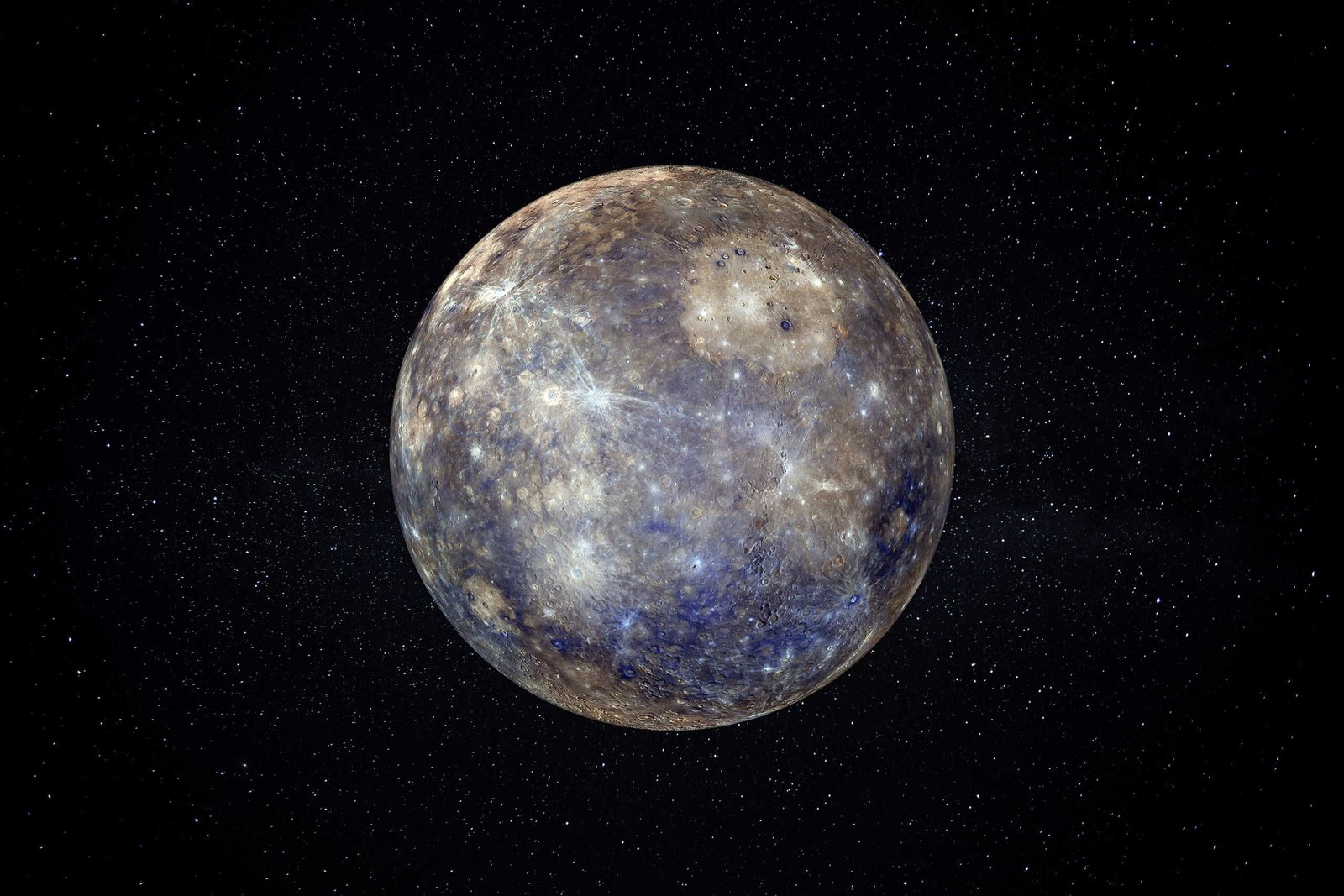
According to NASA, Mercury, like the moon, is covered by numerous craters caused by collisions with asteroids and comets. However, there has never been an official confirmation of a Mercurian meteorite on Earth. For researchers, this was a mystery that lasted decades.
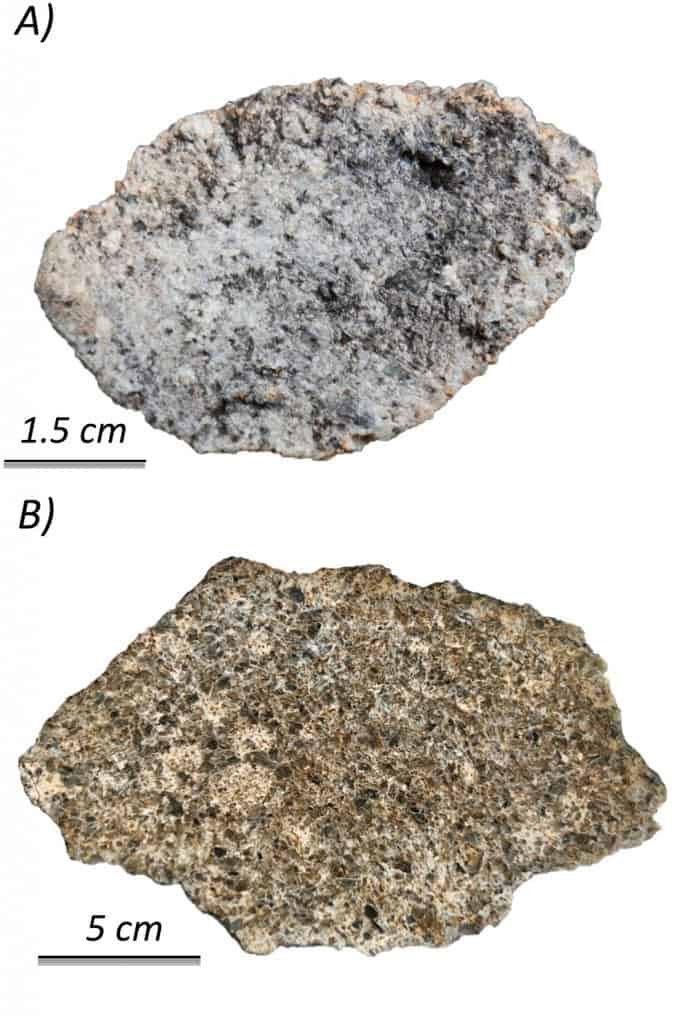
Now Ksar Ghilane 022 and Northwest Africa 15915 meteorites are considered the first promising candidates. They contain minerals such as Olivine, Pyroxénium and Oldhamita, which are combined with what is already known about the mercury crust. “Its superficial mineralogy and composition also have similarities intriguing with the Mercury crust. This led us to speculate on a possible Mercurian origin,” reveals the main author of the study, Ben Rider-Stokes, postdoctoral researcher in meteorites at the Open University, England, on the website. The conversation.
However, scientists prefer to keep caution. One of the details that raises doubts is the low amount of plagioclasio to meteorites, while Mercury has a rich surface in this mineral. Another intriguing point is the age of samples: it is estimated to be about 4.528 billion years old, which makes them larger than the oldest surfaces visible in Mercury.
Read -Ne More:
Bepicalombo mission can unveil the mystery
This difference raises questions about the past of the planet. In an interview with the site Space.comSimone Marchi, from the NASA Institute of Lunar Sciences, recalls that Mercury could have lost some of its initial geological history.
“If the earliest visible area in Mercury is 4 billion or 4.1 billion years, this would mean that the first 500 million or 400 million years of the planet have been erased,” says Marchi. “There is no record of the oldest area of Mercury and we hope that it has been formed almost like the Earth or the Moon, about 4.5 billion years ago.”
According to Rider-Stokes, this does not necessarily rule out that the rocks came from the planet. He believes that meteorites can come from deep regions or parts of the crust that no longer exist on the current surface of mercury.
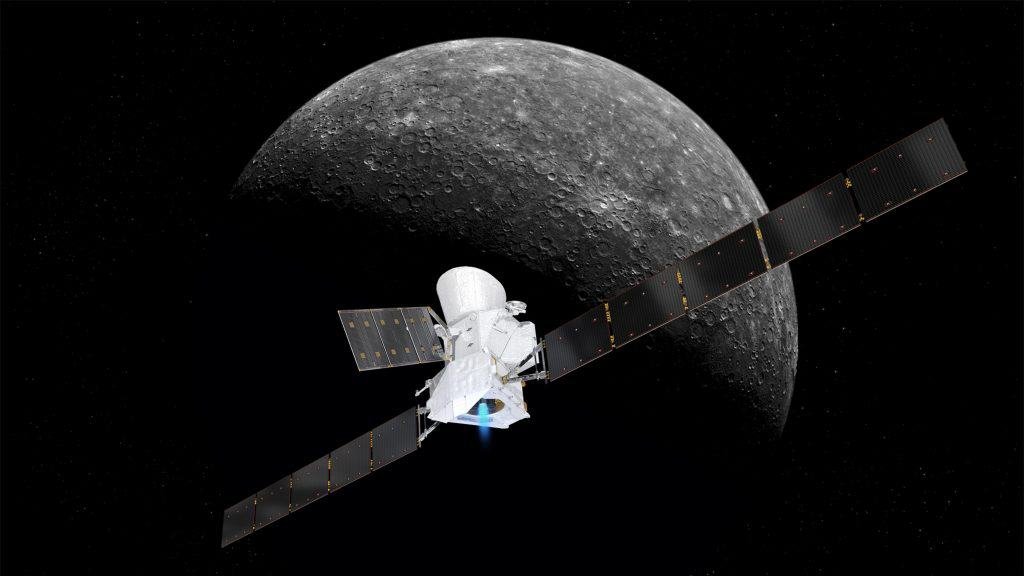
More answers can come soon. In 2026, Becolombo’s mission, an association between ESA and the Japanese Aerospace Expiration Agency (JAX), will enter the Mercury orbit. Scientists expect new data to help compare better the characteristics of the planet’s surface with those of the meteorites on Earth.