Despite Trump’s intervention, the legal status of service providers that allow access to TikTok remains unclear
Follow Olhar Digital on Google Discover

All about TikTok
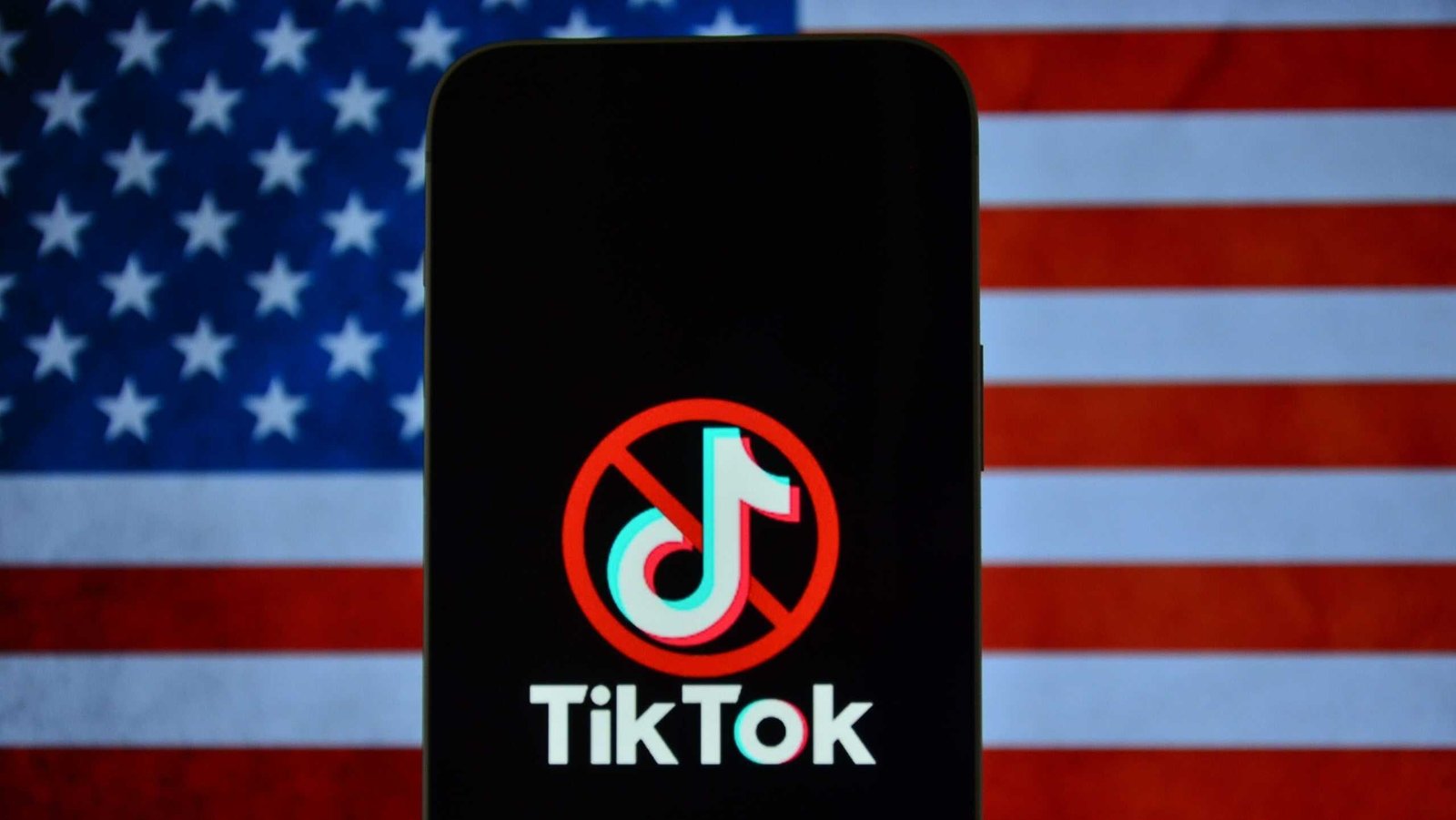
TikTok faces an imminent ban in the United States after the country’s Supreme Court upheld a law forcing ByteDance, the app’s Chinese parent company, to sell its operations in the country.
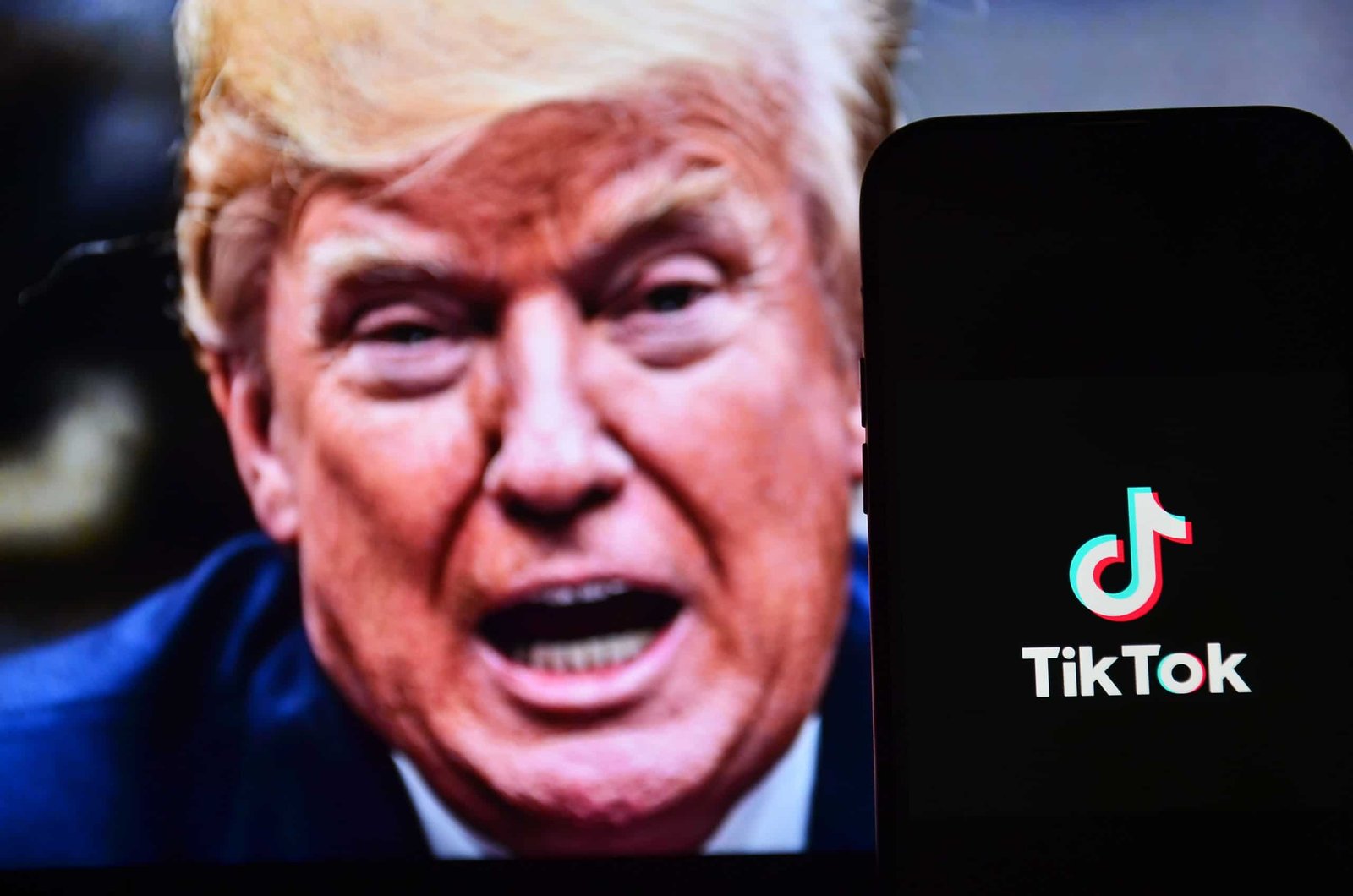
The measure, motivated by national security concerns, was scheduled to come into force on Sunday (19). In an unexpected turn of events, President-elect Donald Trump announced that he would sign an executive order delaying the ban on TikTok.
Trump delays ban, but there are risks
- Trump, who had previously spoken out in favor of the app, called on companies to “not let TikTok go away” and promised an executive order that would suspend the ban for 90 days.
- Despite Trump’s intervention, the legal status of service providers that allow access to TikTok remains unclear.
- Experts warn that Trump’s pledge may not be enough to protect companies from billion-dollar fines and the risk of bankruptcy if they break the law.
- Trump’s intervention in the TikTok case also raises suspicions about his political motivations.
- The restoration of the application, which is very popular among young people, can be seen as a strategy to gain support.
- Trump seeks to project an image as the savior of TikTok, “rescuing” the platform and ensuring its permanence in the US.
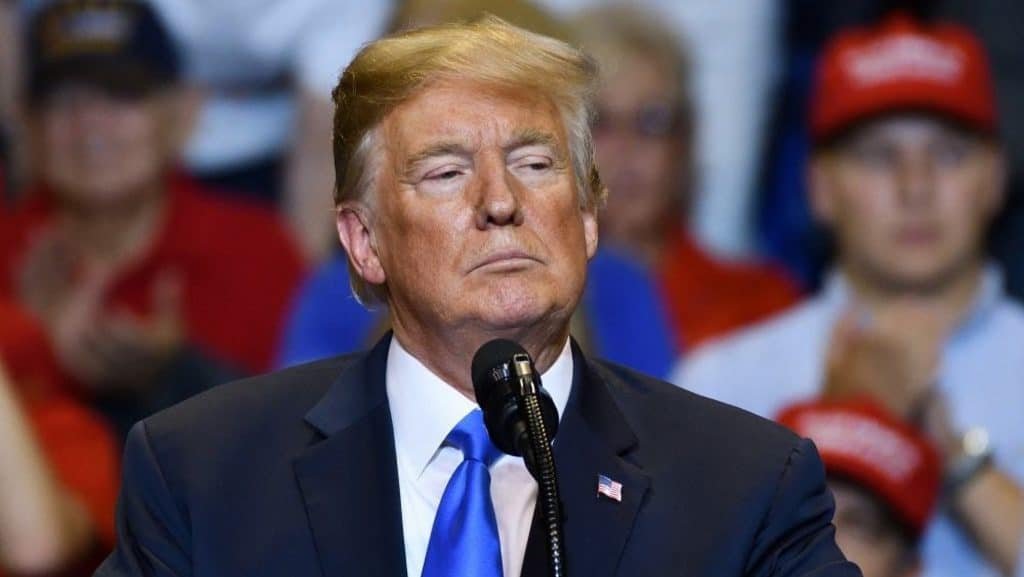
Ultimately, uncertainty about TikTok’s future in the US remains. Trump’s intervention, although he postponed the ban, did not remove the legal uncertainty that hangs over the future of the platform in the country. Service providers that continue to provide access to the app still face billions of dollars in penalties.
Read more:
Importantly, the TikTok case is not an isolated event. In 2024, for example, Romanian authorities accused TikTok of election manipulation. In Albania, the government even banned the use of the app for a year, claiming it promoted youth violence.
Gabriel Sérvio has a degree in Social Communication from the Centro Universitário Geraldo Di Biase and has been part of the Olhar Digital editorial team since 2020.