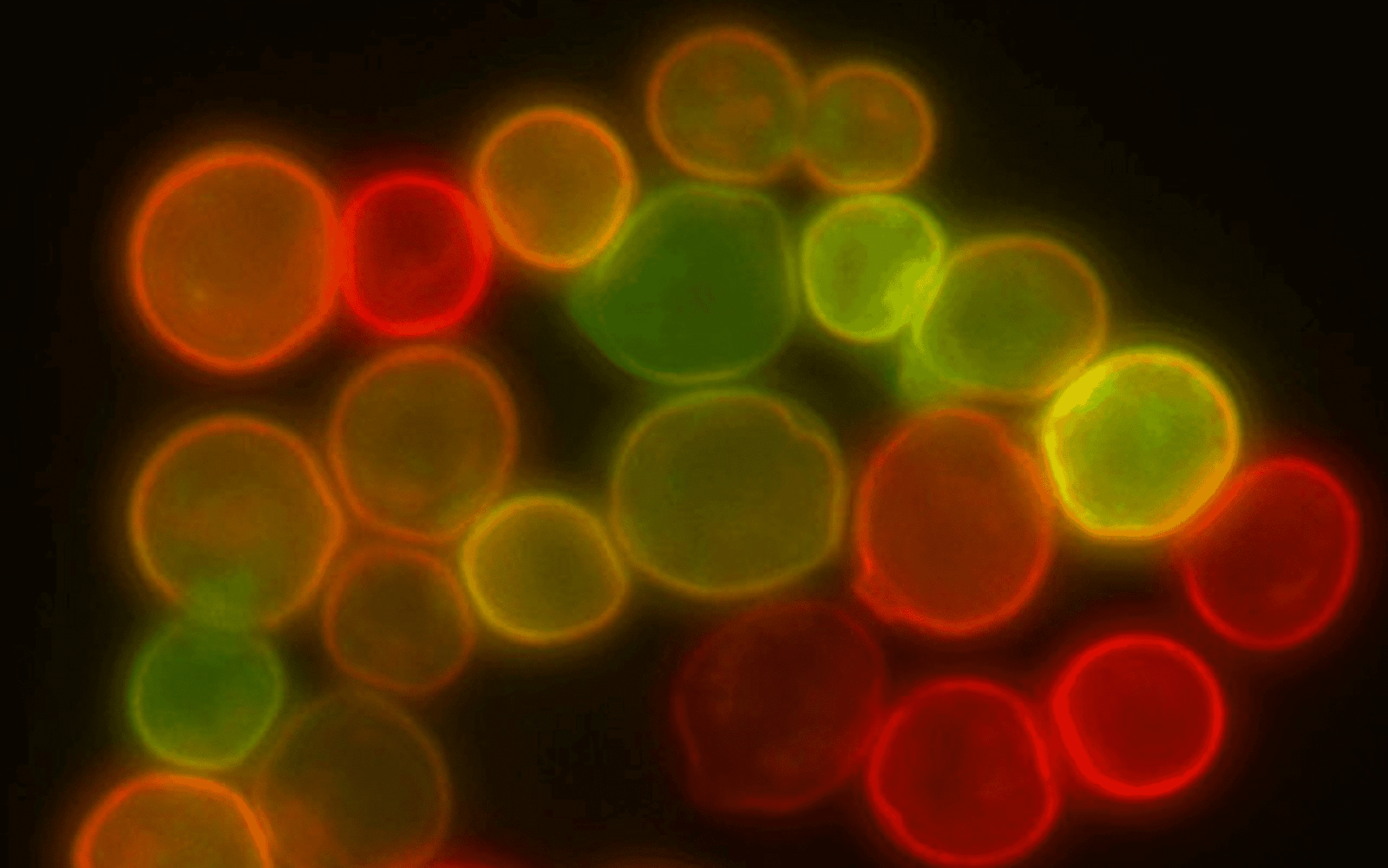
Researchers managed to encode the first full eukaryotic genome in the laboratory
The feat is a breakthrough in an attempt to create synthetic life, after other research has managed to build simpler laboratory bacterial organisms.
We are closer to creating life in the lab
Researchers chose the yeast Saccharomyces cerevisiae As a way to demonstrate the Potential for synthetic food productionThis could survive the oscillations of the environment, such as climate changes or the appearance of a widespread disease.
For the first time, they managed to build a eukaryotic genome (referring to basic cells) completely in the laboratory. The work was published in the magazine Natural communications and try to Possibility of creating complex organisms from scratchwhich could be used by scientists for various purposes, such as food cultures.
In a statement, the Microbiologist Sakkie Pretorius, who was part of the research, emphasized that this was an “amazing moment in synthetic biology”.
Read -Ne More:
How was the process of building the genome
To build the synthetic genome, the team used a variety of genetic editing tools.
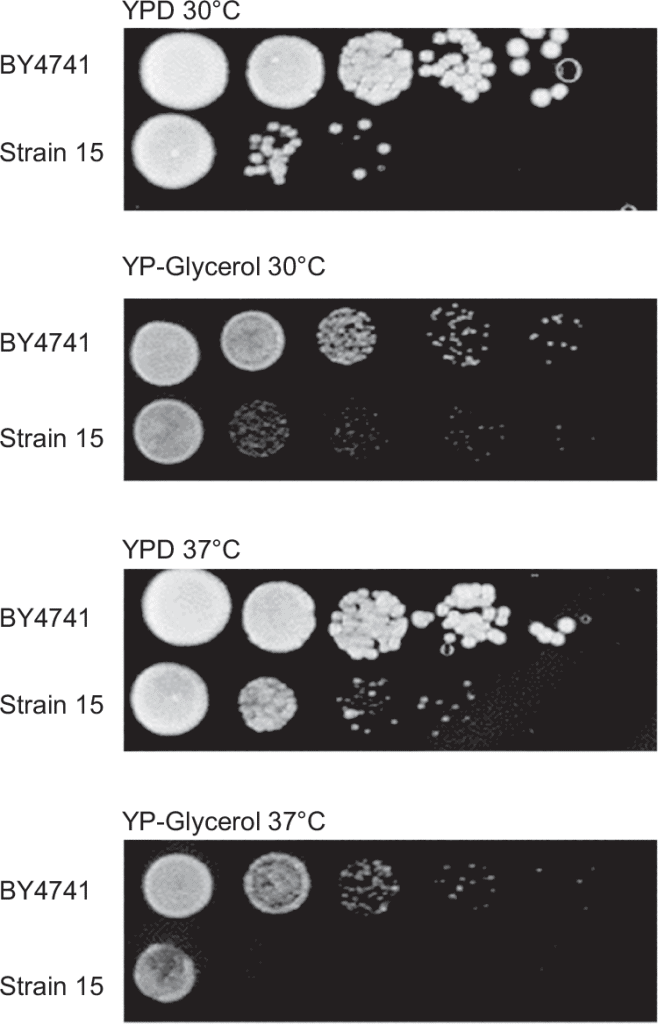
According to Scientific alertIn this process, the team also detected and corrected trouble in chromosomes Make the genome more resistant to target. For example, they were able to adjust the genome to make the yeast use glycerol as a source of energy at higher temperatures, which improves resilience.
Researchers have also been able to track genetic markers within DNA, which is important when identifying errors as they influence cellular gene behavior.
What does synthetic life mean for us
- The purpose of the research was not only to improve plantations, as in the case of yeast. Discoveries can also be applied to medicines and other materials to make them more resistant;
- Another researcher involved in work explained how the creation of synthetic life is a significant breakthrough in the field of biology, opening the possibilities for the development of pharmaceuticals, for example.
- For Pretorius, it is “the final piece of a puzzle that has occupied synthetic biology researchers for many years.”