
The X-37B spacecraft returns to space with a mission to test new forms of navigation and communication. Find out more details here.

Follow Olhar Digital on Google Discover
The X-37B spacecraft, one of the US Space Force’s most secretive vehicles, will be launched into space again on August 21. The rocket that will be used will be SpaceX’s Falcon 9, and takeoff will take place at the Kennedy Space Center in Florida. This will be the eighth mission of the spacecraft, which spent more than 400 days in orbit on its last trip.
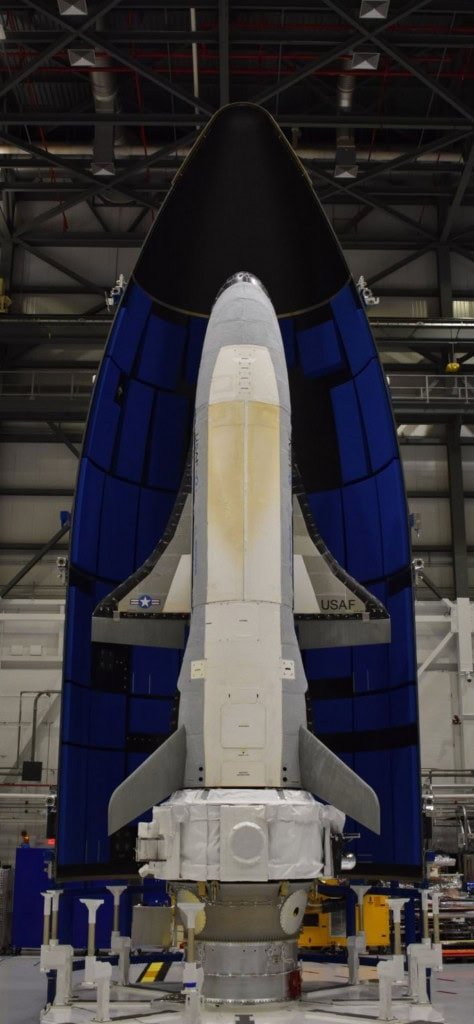
What is the X-37B spacecraft?
The X-37B is an unmanned spacecraft, meaning no astronauts on board. It is about 8 meters long and looks like a smaller version of the old NASA space shuttles. Despite being small, the X-37B is being used to test technologies that could be important to the future of space missions, both military and scientific.
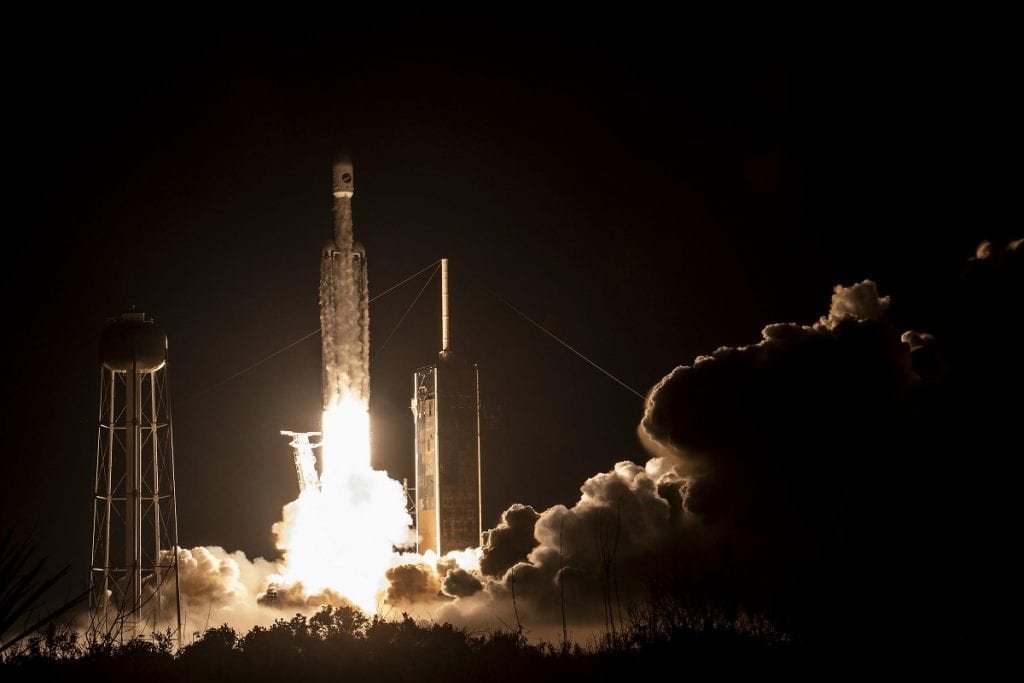
In this new mission, called OTV-8, the spacecraft will carry two teams:
- A quantum inertial sensor: This sensor can help the spacecraft to locate itself in space without the need for GPS, by measuring the movements of atoms.
- A laser communication system: This technology promises to transmit data faster and with less risk of being intercepted, using satellite networks such as Starlink.
Why is this mission important?
The OTV-8 mission will test safer and faster ways to communicate in space, as well as new ways to navigate. Today, spacecraft and satellites rely heavily on GPS, which doesn’t always work in faraway places like the Moon or Mars. With the new quantum sensor, that could change.
In addition, the use of laser communication can greatly improve the exchange of information between satellites. Unlike radio, laser allows you to send more data in less time and more securely. This can benefit both the military and satellite Internet services, such as those offered by Starlink.
Read more:
According to the Space Force, the idea is to make the satellite network stronger, faster and less vulnerable to failure or attack. The mission also shows how the US is betting on modern technologies to maintain its leadership in space.

Collaboration for Olhar Digital
Journalist with more than 13 years of experience, I have a nose for the audience and a real passion for looking for more assertive alternatives to offer content to the user.

Bruno Capozzi is a journalist with a degree from Faculdade Cásper Líbero and a master’s degree in Social Sciences from PUC-SP, focused on research in social networks and technology.