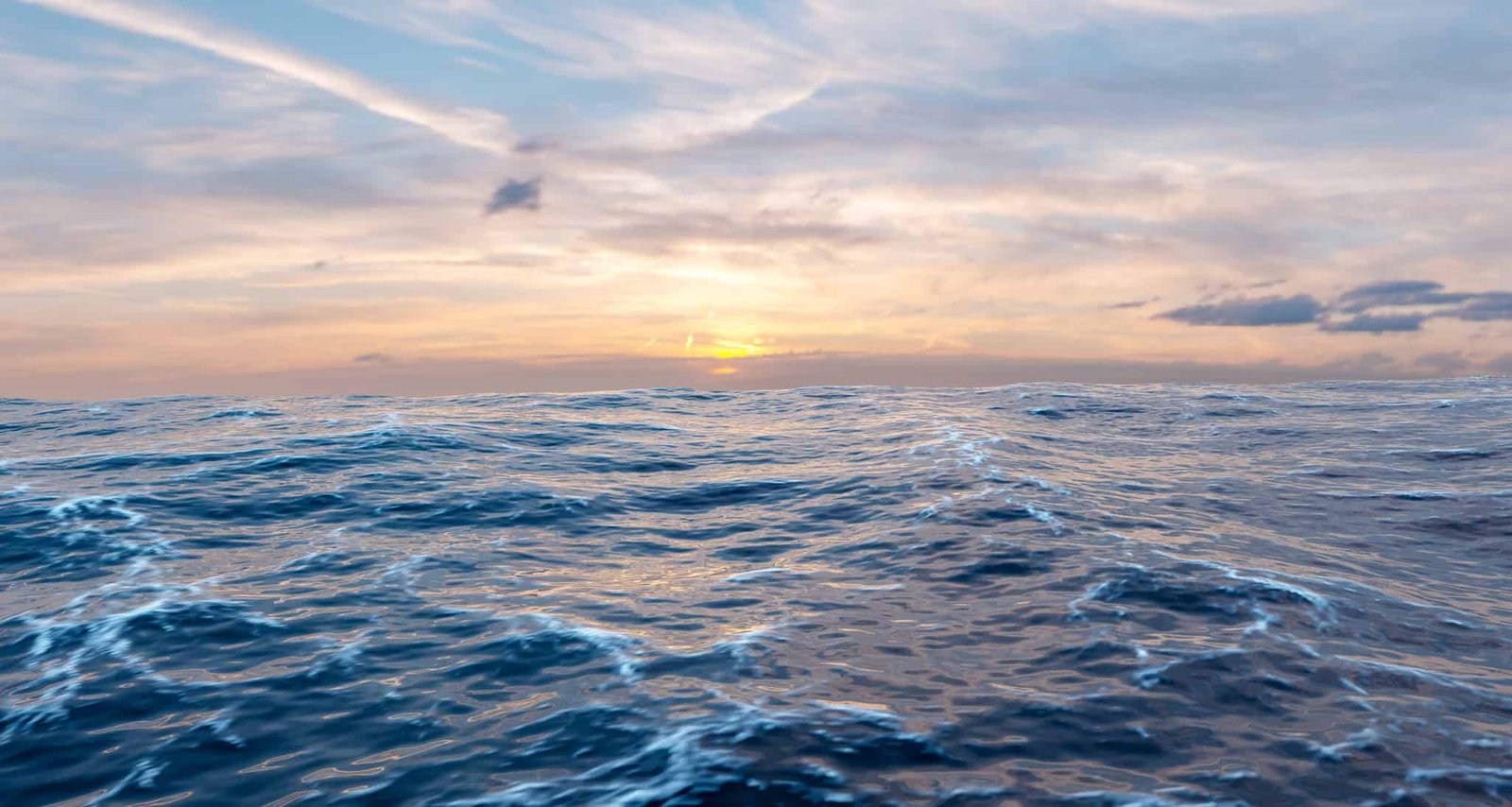
According to researchers, the scenario seems to get worse in deep waters, threatening marine ecosystems
According to a new study, the acidity levels of these waters are higher than expected, even with the known effects of climate change. The work still warns that the seas could have entered a “danger zone” five years ago.
The situation is worse in deeper water
- Previous investigations have already indicated the acidification of the oceans.
- Due to this scenario, scientists had established some limits that should not be violated to keep the Earth healthy.
- By 2023, however, a study revealed that six of these nine limits had been overcome.
- However, researchers did not cite the acidification of the oceans as one of them.
- Now, a work published in Global Change Biology warns that acidification is more advanced than thought and that our seas could have entered the danger zone since 2020.
- According to the team, the stage seems to worsen in the surface.
Read -Ne more
Oceanic acidification is a threat to marine life
Scientists say that oceanic acidification is caused by human activity. The seas absorb around 30% of the carbon dioxide (CO₂) present in the atmosphere. And since the amounts of this substance have increased due to the burning of fossil fuels, but it is combined with water.
In the seas, carbon dioxide dissolves, creating carbon dioxide and releasing hydrogen ions. Acidity levels are based on the number of these hydrogen ions dissolved in water, so that the ocean absorbs more tail, it becomes more acidic.
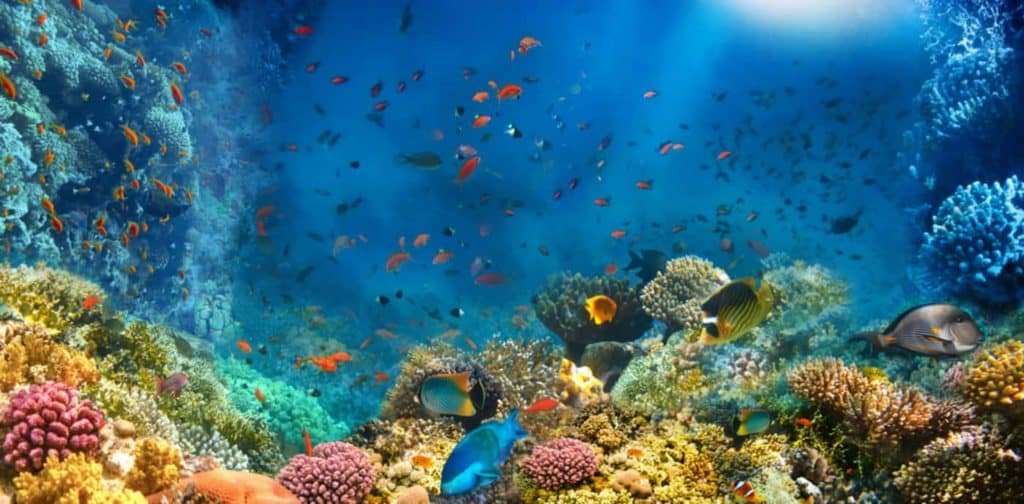
Hydrogen ions join the ocean carbonate ions to form bicarbonate, which reduces carbonate available for marine life, such as corals, molluscs and plankton. In turn, this decreases the food available to many marine organisms.
Most of the oceanic life not only lives on the surface: the waters below the many other types of different plants and animals. Because these deeper waters change a lot, the impacts of oceanic acidification can be very worse than we thought. The acidification of the oceans is not only an environmental crisis, it is a time bomb for marine ecosystems and coastal economies. As our seas increase acidity, we witness the loss of critical habitats on which numerous marine species depend and, in turn, have great social and economic implications.
Study published in Global Change Biology