Scientists analyzed skeletons in China when they found an individual of the “Ghost Line” as a lack of Asian prehistory
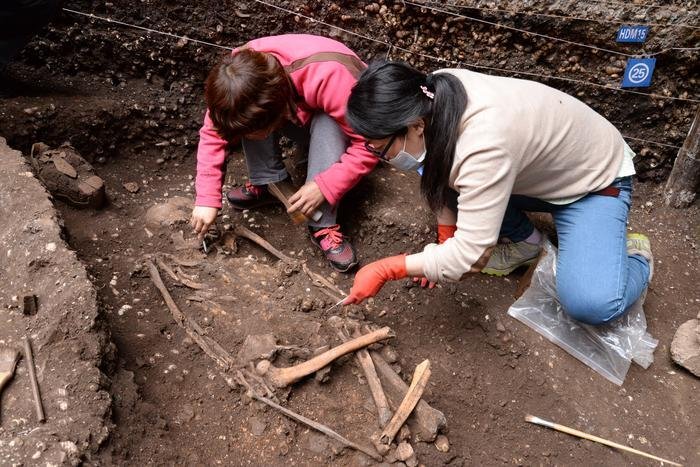
The researchers found bones in China a line so far lost from Asian peoples. The team analyzed the data of 127 Humans ancientwho lived between 7100 and 1400 years agoAnd he found that a previously unknown group from the Yunnan region is essential for understanding the origin of the Tibet population.
“Ancient humans in this region can be the key to answering several remaining questions about the East and South -East, Asian prehistoric populations,” the researchers in the study, published in Science, wrote.
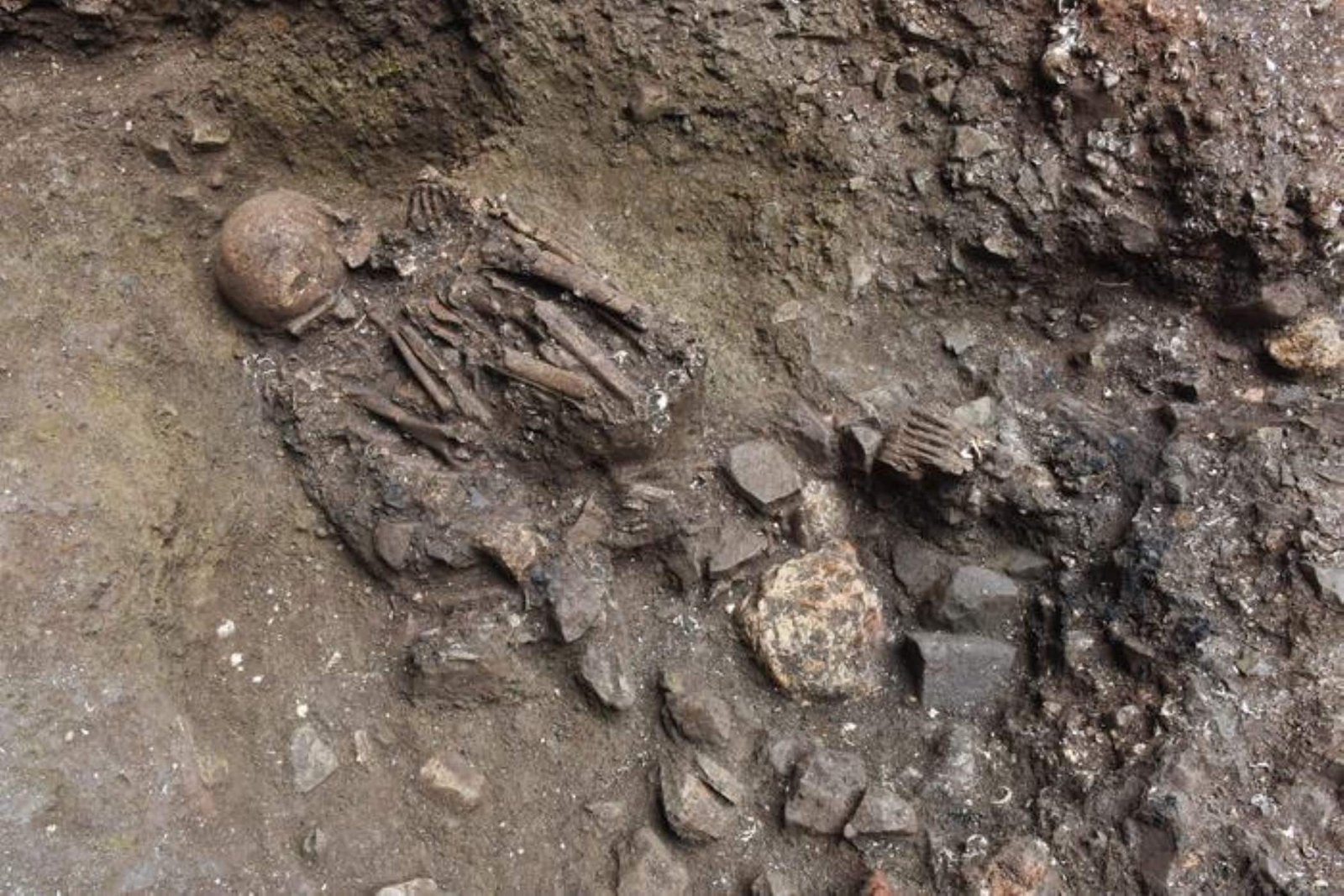
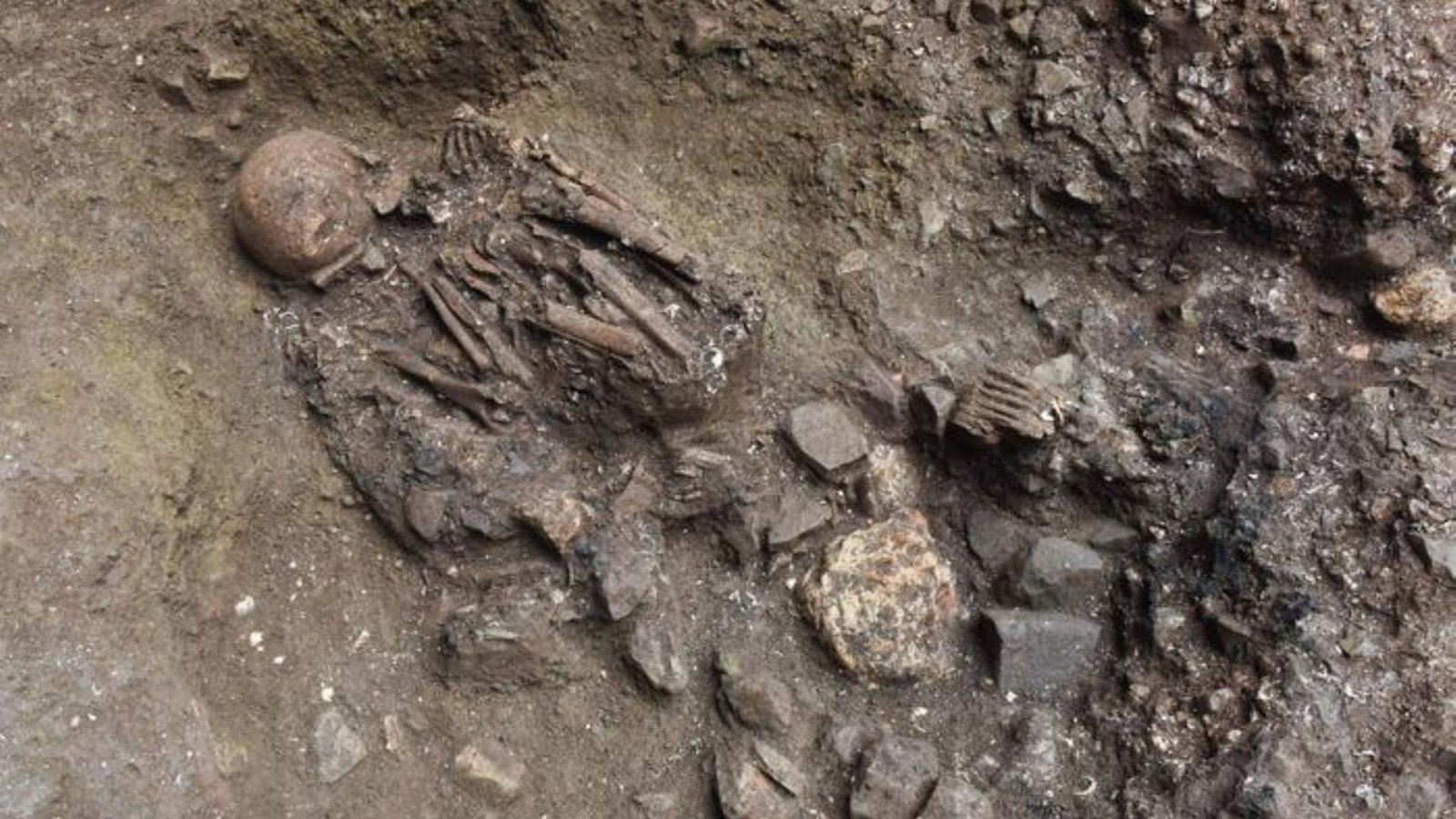
The group discovered while analyzing skeletons at the Xingyi archeological site to set up a map of the genetic diversity of central China. Among the remains, the scientists found the bone of A woman 7,000 years ago. Called Xingyu_enIt is genetically different from Neanderthals and Denisovans, hominids known for contributing to “ghost traits” of human DNA.
The research revealed that the people of this female would have separated from other human groups 40,000 years ago. The team named the different population of Xingyu_en as Asian basal Xingyi lineage and found that they had similar characteristics to the indigenous populations of the Tibetan plateau
Read -Ne More:
Ghosts were isolated for millennia
Previous studies had shown that Tibetan populations have genetic characteristics that distinguish them from other modern humans, but still lacking a “ghost line” to answer the question. The researchers were able to adapt to this piece that was missing in the prehistory of Tibet.
The article reveals that this primitive Asian population 40,000 years ago remained isolated south -west of China to the Holocene, about 11,700 years ago, when they interacted with humans who migrated from north -East Asia to the west, leading to Tibetan villages.
The evidence of Xingyi ancestors was also found in a subject to 11,000 years after Longlin County. However, these characteristics gradually disappeared in the towns of this area over the years.
The study warns it The results must be analyzed with precaution. As evidence comes from a single individual, more research and samples will need to be understood to understand the “ghost line” of Tibetan plateau groups.