For the first time, researchers were able to reproduce a phenomenon called Endosymbiosis, which occurs when a cell lives within another, creating a symbiotic relationship between organisms: the crucial stage of the evolution of complex life.
To understand how these relationships are established and become stable, a team of scientists observed the interaction between a fungus and a bacterium already in nature.
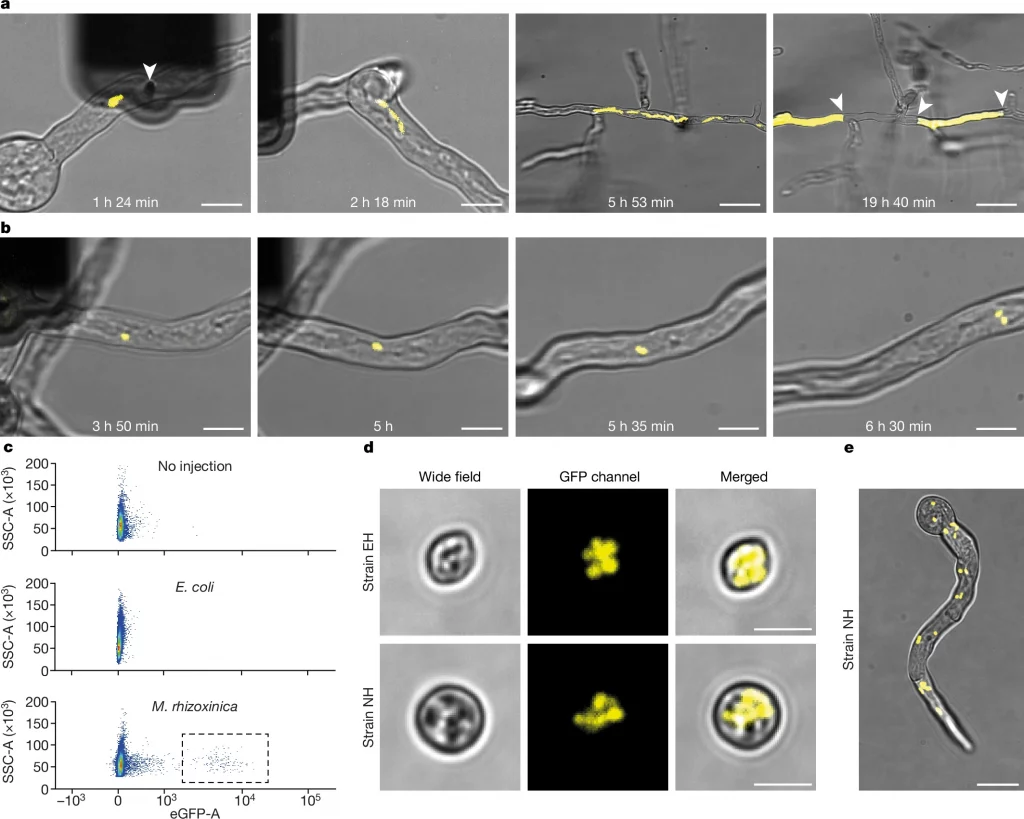
The fungus Rhizopus microsporus and the bacterium Rizoxinica micetohabitans They have a symbiotic relationship, in which the bacteria produce a poison that helps the fungus to infect rice plants. This relationship is so intrinsic that the fungus cannot reproduce without bacteria. Thus, researchers decided to recreate this symbiosis in the laboratory to study the first steps of this interaction.
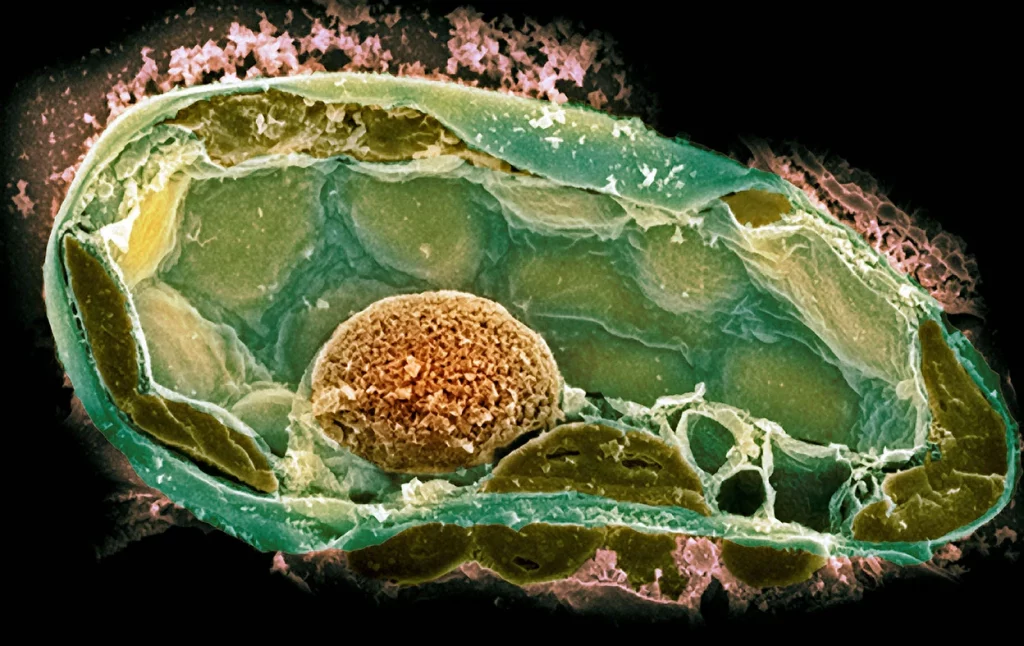
Fungus modifies the genome to adapt to the bacterium
One of the biggest challenges was to insert bacteria into the fungus cells, which have a rigid cell wall. To do this, the group, led by the microbiologist Gabriel Giger, used a technology called Fluidfm. This method consists of applying pressure to force bacteria to enter the fungal cell, which required quite precision. Despite the initial difficulties, the process was successful and the bacteria began to reproduce within the fungus.
According to the article described in the investigation, published in the magazine Nature, What surprised the scientists most was that after the injection of the bacterium, both the fungus and the bacterium quickly adapted to the new environment. “None of these organisms are enrolled with each other and their growth rates correspond to this feasibility spectrum for both,” Giger told the magazine How much. “The bacteria survived, protected and fed by the fungus, and the fungus marked a poisonous partner.”

In a few generations, the fungus had already modified its genome to house the bacteria. This phenomenon shows how cells can evolve rapidly to form stable symbiotic collaboration.
Discovery can make advances to medicine
This discovery may have significant implications for biotechnology. Researchers believe that in the future it will be possible to create synthetic cells, with which different organisms can collaborate in an advantageous way. Instead of modifying genes directly, it would be possible to draw symbiotic relationships, such as bacteria that perform specific functions within hospital cells, which could lead to new advances in areas such as medicine and environmental biotechnology.
In addition, scientists have learned that in order to succeed in endosimosis, it is necessary that both agencies adapt to the new environment. This mutual adaptation, which until then was studied little, is essential for the symbiotic relationship to be long -term stable. These views can help to better understand how symbiosis evolves in nature and how they can be replicated in the laboratory.
Read -Ne More:
Challenges in the path of total understanding of the evolution of complex life
However, despite advances, there are still many steps ahead. Creating symbiotic laboratory relationships involves a number of variables that need to be better understood. The adaptation of organisms to specific environments is still a field that requires more research and experimentation, especially when it comes to complex organisms such as mammals.
Research can also open new possibilities for solving environmental problems. For example, future findings can lead to the creation of plants or organisms capable of cleaning pollutants or even producing medicines. The practical applications of these laboratory symbiosis are still under development, but the innovation potential is excellent.
Finally, scientists believe that research on endosymbiosis can change the way biology and evolution of life understand. Studying how cells adapt and form symbiotic relationships, it will be possible to develop biological solutions to various challenges, from the treatment of diseases to the creation of more sustainable organisms.