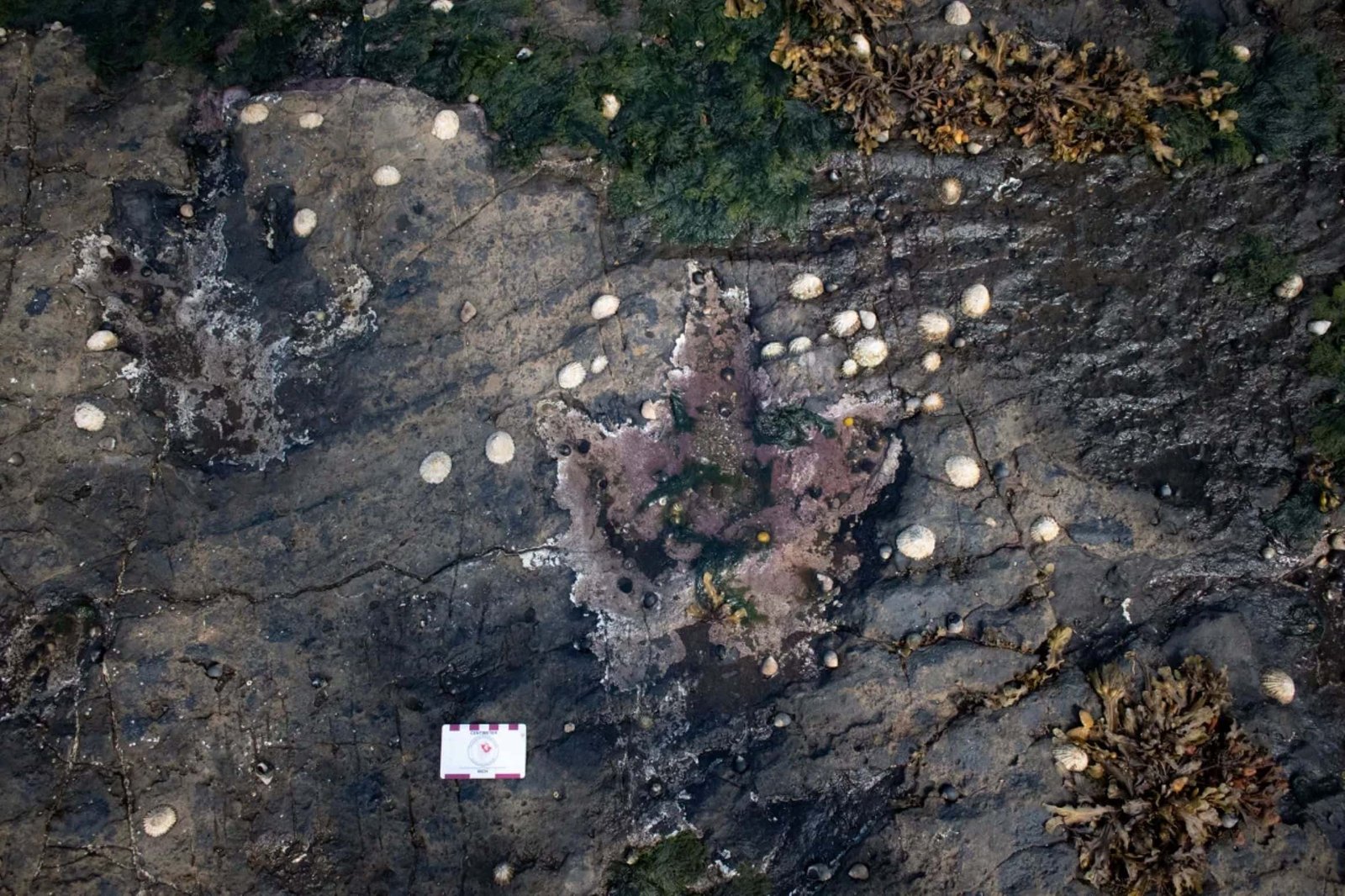
Researchers at the University of Edinburgh discovered 131 dinosaur traces On the island of Skye, Scotland. This makes the site one of the most abundant in the dinosuric brands in the country. With the help of teams, the team showed in the study that different species liked to stay in the lagoons in the place.
In contrast to the cold climate of the current island, the region would have a Hot, moist subtropical climate during the Middle Jurassic170 million years ago. There would be several masses of water on the site and a huge river estuary, according to the paleontologist Tone Bkesley, one of the authors of the study. The footprints were left in the sands of an old lagoon of that period.
To study the traces, the group took thousands of photographs from the whole place with a drone. Through specialized software, they were created Digital Digital Fooprims Through a technique known as photography.

Read -Ne More:
Different dinosaurs attended the lagoons
The brands left by the dinosaurs have between 25 and 60 centimeters and vary in two ways. There are footprints of Three fingersprobably left by Bipedes carnivorous teopods And more roundthe size of the tires, made by Saurapods quadrupes of long neck.
According to scientists, Many of these footprints are in sequenceindicating a path. The largest of these roads is approximately 12 metersAlso one of the largest on the whole island.
The distance and orientation of these marks represent slow steps, probably left by animal walking quietly at different times. The analysis of the trails indicates that the dinosaurs circulated along the shore of the lagoon, just as animals today gather around the lakes and the water masses.
“Prince Charles’s footprints offer a fascinating view of environmental carnivorous behaviors and distributions and long herbivorous sauropods for an important moment in their evolution,” said Blakesley.

Interestingly, the footprints suggest that, despite conflicts, carnivorous theopods and herbivorous sauropods used to spend time in the lagoons. However, the team says that although they frequented the site, the footprints do not show any evidence that they interact near the lagoon and Is unlikely to be on the side of the other.
“It would be a disaster for sauropods if this happened. The temptation of lunch … would have been too much for theopods,” the paleontologist said to CNN.
Blakesley’s team intends to continue studying the site and its brands. They are also examining other dinosaur roads on Skye Island and all south of England.