
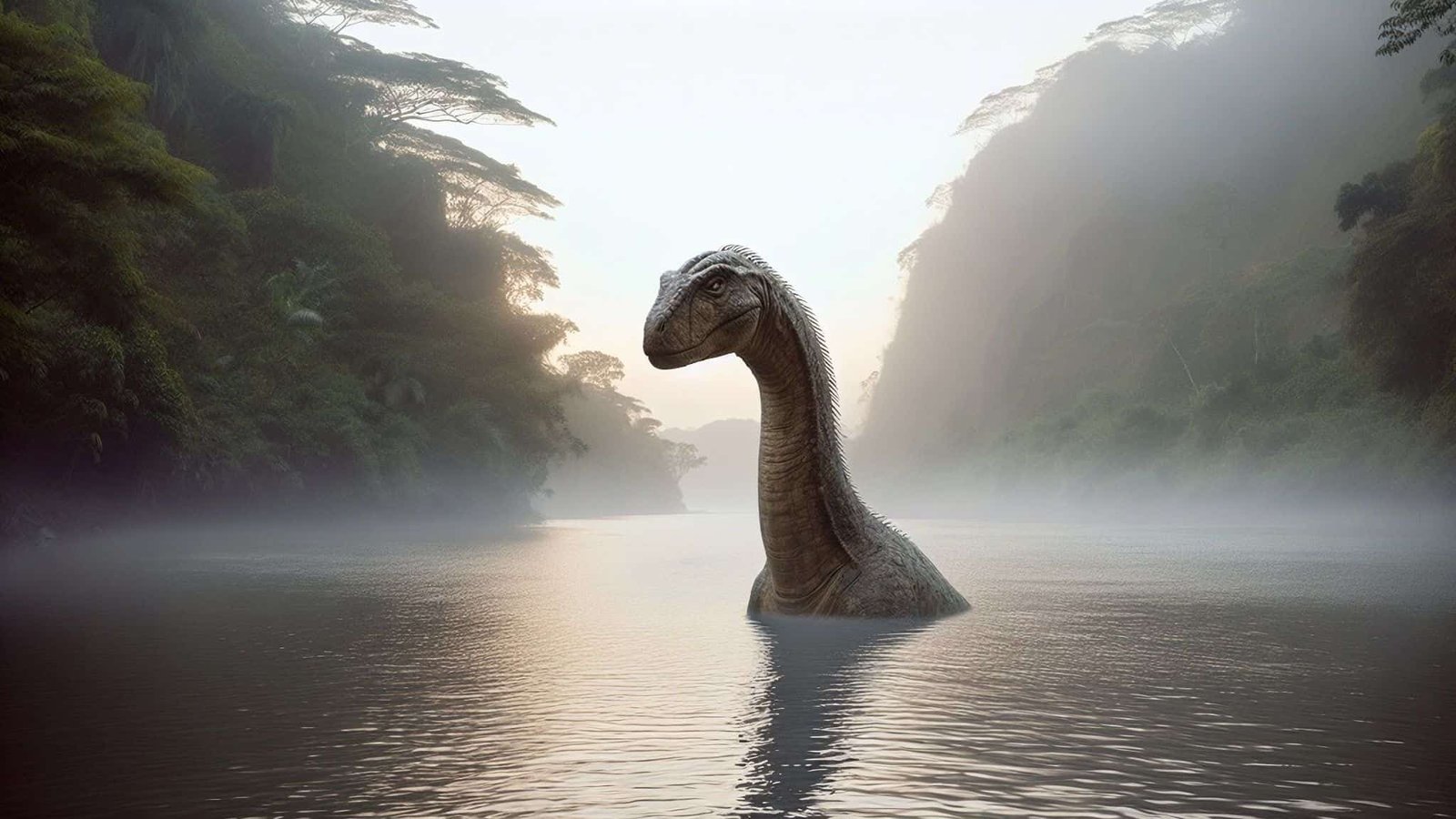
A growing group of people in Central Africa says he saw the mysterious creature known as Mokele -Manbe. He is a legendary being of the Congo that looks like a dinosaur. However, a much greater problem may be behind these reports.
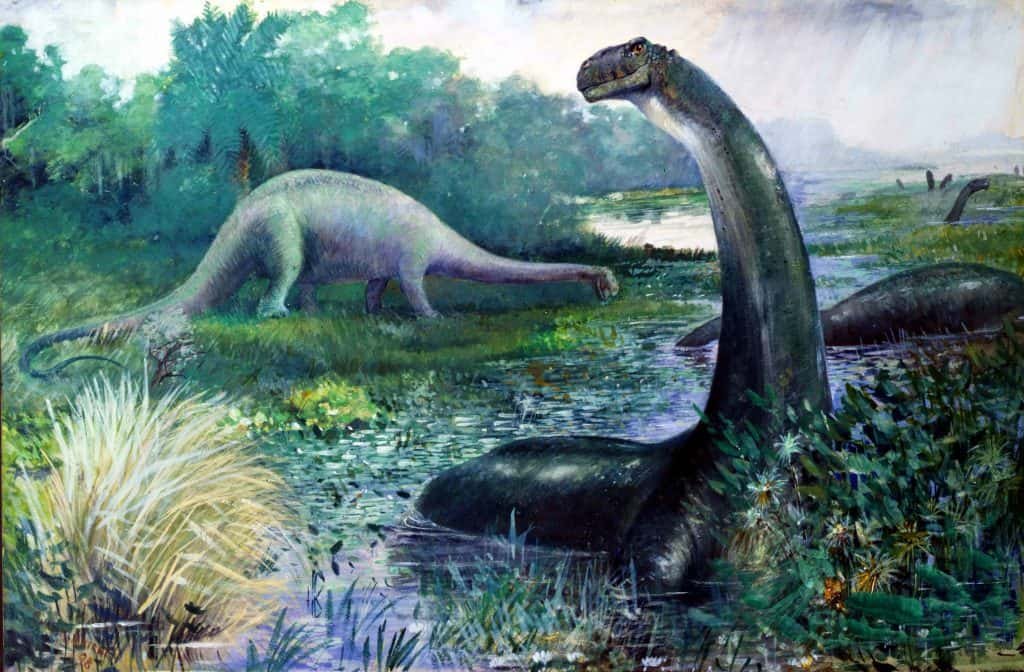
Mokele-Mambebe’s legend says he is a giant monster of marshes, forests and rivers of the Congo basin. The name means “What interrupts the flow of rivers” In the Lingala language. Your appearance is described as A long neck dinosaur with the approximate size of an elephant.
At the beginning of the 20th century, the inhabitants of the region told this story to European explorers and extended to the popular imagination. This generated literary works in the area of cryptozoologycomparing legendary beings of various cultures with extinct animals. From this type of literature, works such as the “Jurassic Park” emerged.
Read -Ne more
The legend reveals a sad reality in the Congo
According to National Geographic, the local population has seen the mysterious creature more often in this century than in the past. The main hypothesis is that these reports are linked Environmental changes in the region.
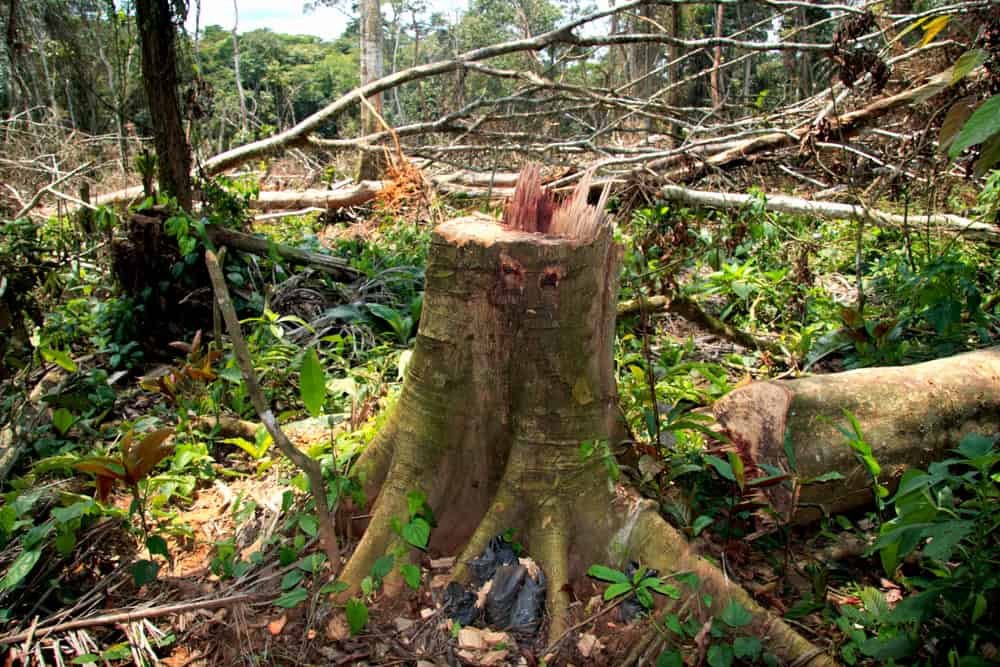
Deforestation in the Congo basin has already called 23 million hectares of forest between 2000 and 2016. This made animals forced to get out of their habitats and brought to most common meetings with humans.
The settlements in the region are strongly dependent on cut and burnWhat deforest forest areas to cultivate creek, peanuts, banana and corn. Farmers fall trees and shrubs and burn the remaining vegetation to enrich the ground with ashes, offering Short.
Usually, in two or five years the soil is exhausted, which forces farmers to clean new land. This perpetuates the cycle of destruction of local ecosystems.
“In larger settlements, where habitats are pushing inland, and people are not used to seeing large animals, they suddenly find them all the time,” Laura Vlachova said to a Czech conservationist by National Geographic.
With the increase in these cases, the inhabitants can confuse and see something different from reality, mainly due to an existing belief.
“It is the people of these deforested settlements who tell me that they saw Mokele-Mmbbe. I think what this really shows is how folklore begins to reflect the reality of a decline ecosystem,” concludes Vlachova.