
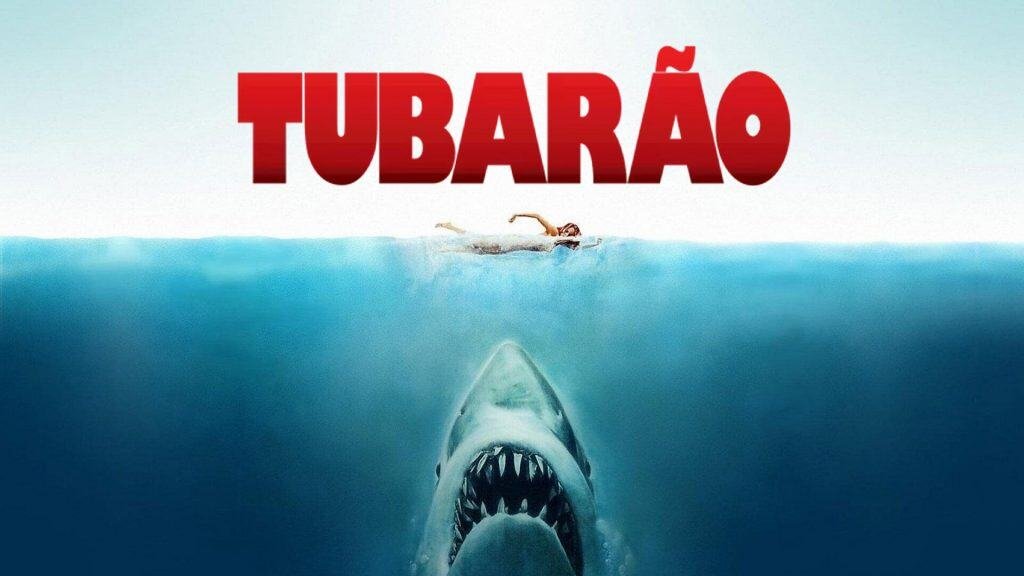
Fame was created by Hollywood Films, especially “Tubbarão” by Steven Spielberg, published in 1975
The feature was so successful that even scientists began studying these dreaded animals. With greater knowledge of them, however, this reputation (unfair) could be avoided as the devourer of people.
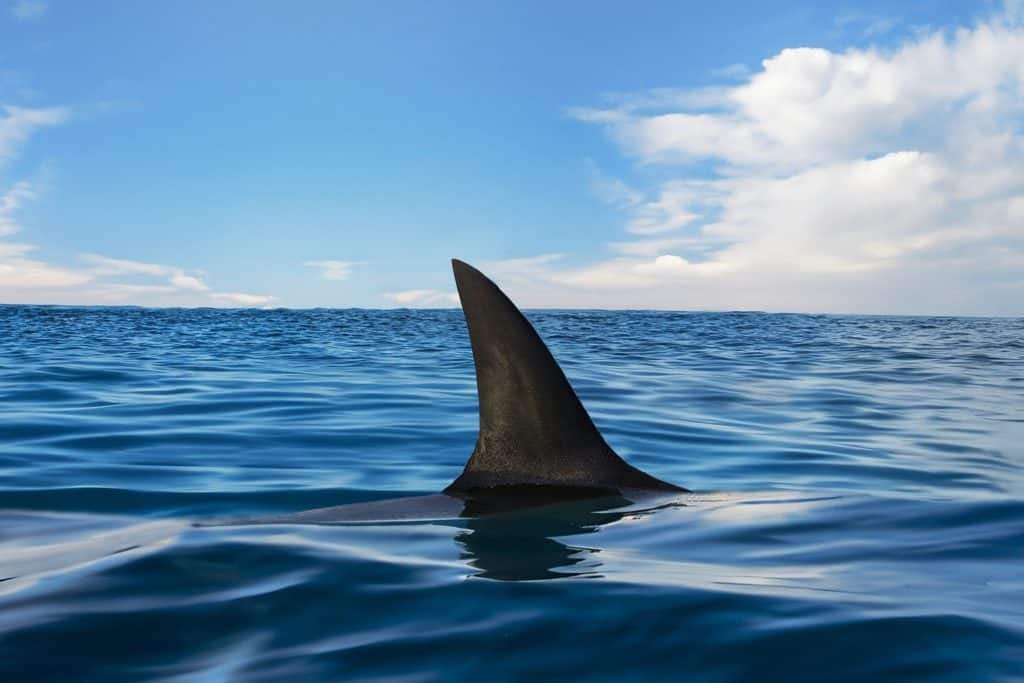
These animals did not hunt humans
- One of the works on the subject is by Gareth J. Fraser, a professor at the University of Florida, in the United States.
- In an article published in the conversation, he focused on one of the scariest aspects of these predators, jaws and teeth.
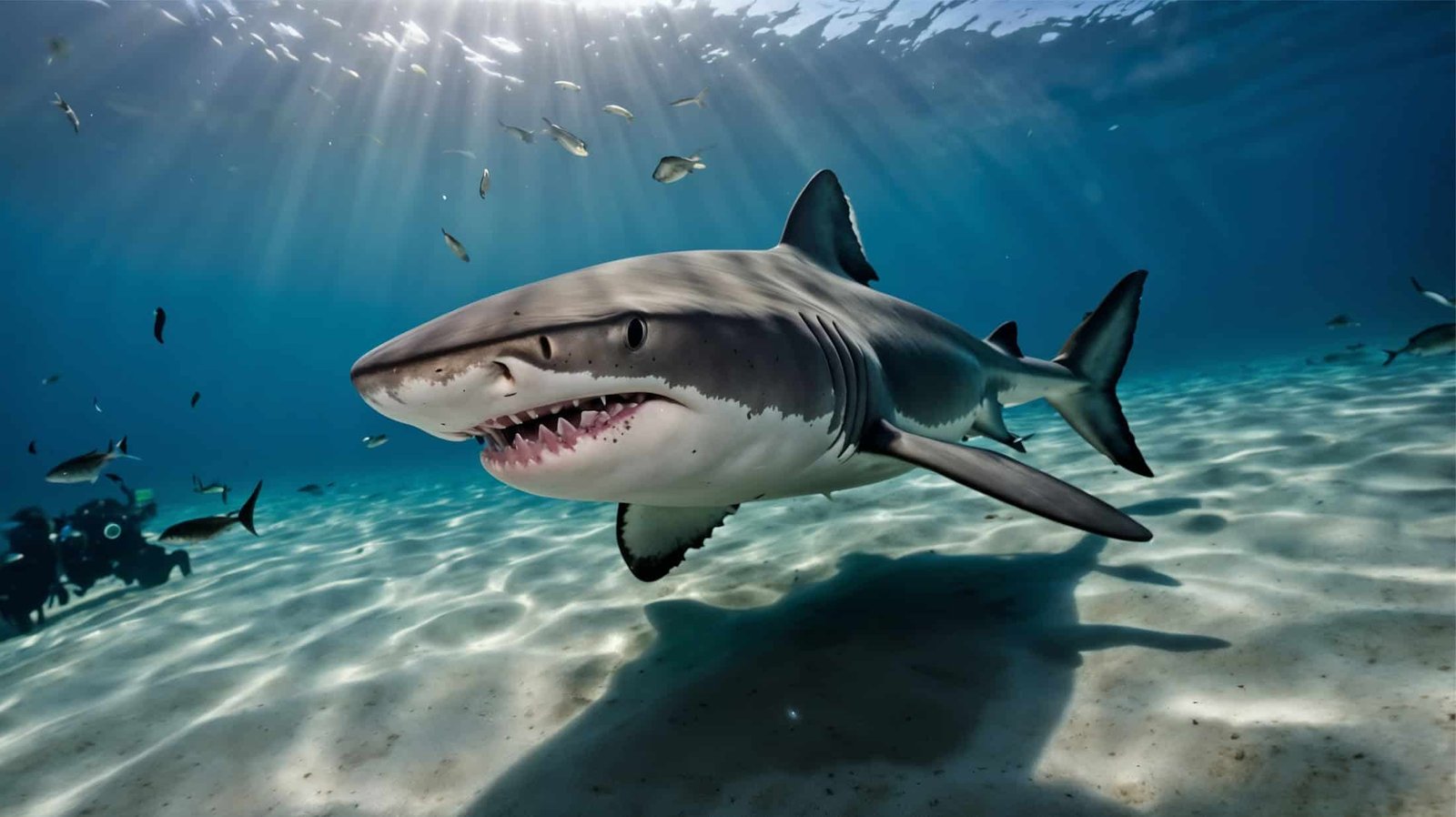
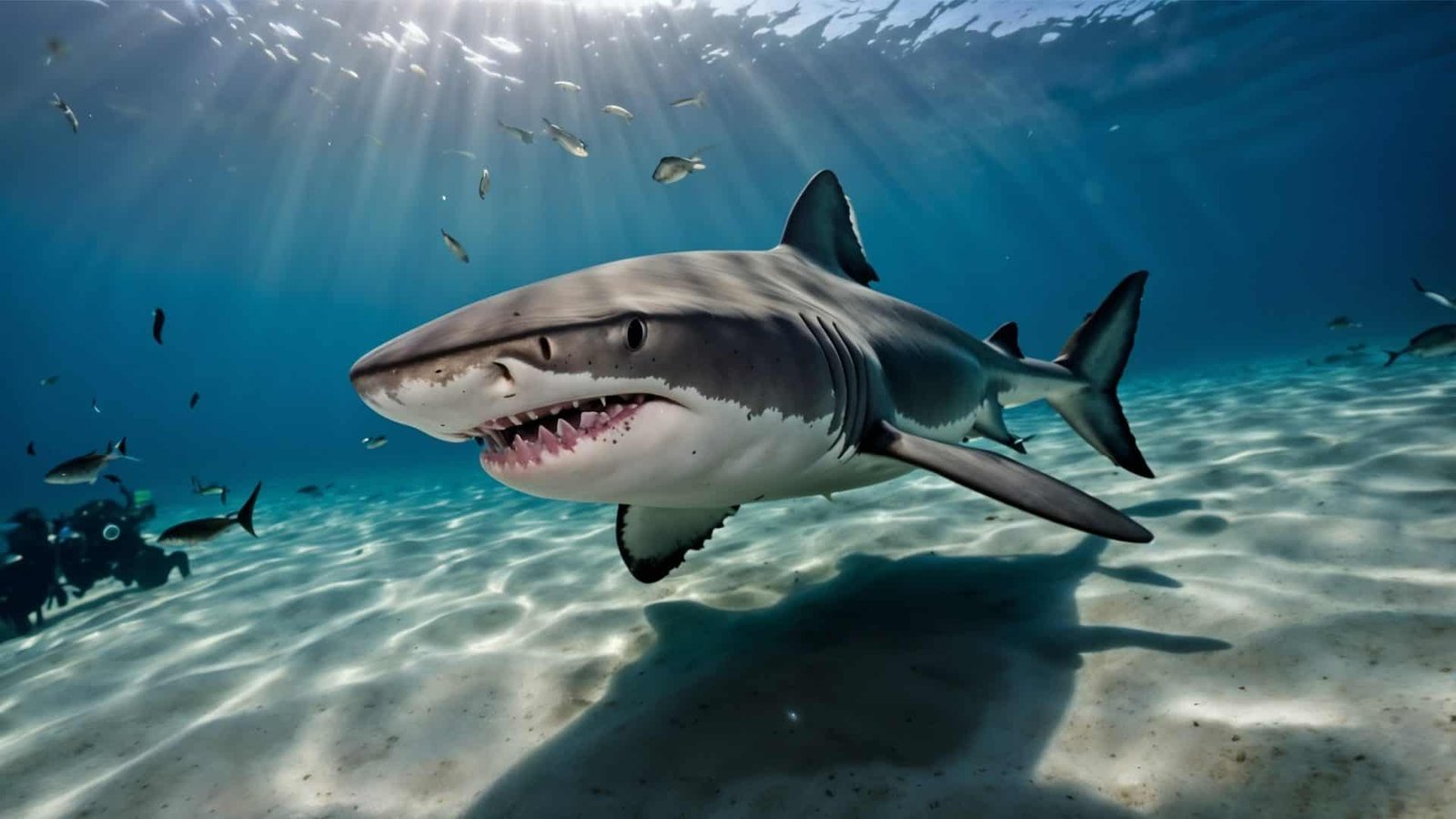
- According to the scientist, sharks can replace their teeth for life.
- In this way, animals constantly keep their chop.
- This news is terrible for prey, but humans are not there.
Read -Ne more
Sharks must be preserved and not feared
Gareth J. Fraser also claims that sharks have an incredible evolutionary success story. But the truth is that these animals are also vulnerable in modern times. Late sexual maturation – 15 to 20 years or 150 years in Greenland sharks, along with slow growth, long periods of gestation and complex social structures make the populations of fragile sharks less able to recover.
Look at the white shark (Carcharodon Carcharias), for example, the species of the film. Trophic hunting, part trade in their bodies, and the impacts of commercial fishing caused their population to decrease. As a result, they received basic protections internationally. With this, numbers have improved, especially in the United States, causing a change in the state critically threatened to vulnerable. However, they are still critically threatened with extinction in Europe and the Mediterranean.
Gareth J. Fraser, professor at the University of Florida
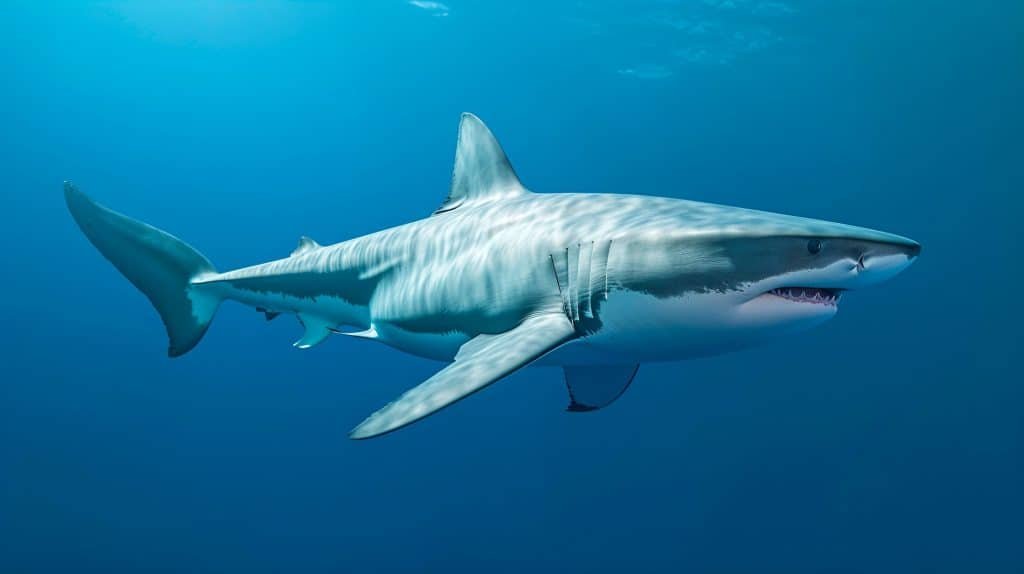
The scientist also explains that shark attacks have always been rare. Water sharks can even give a test bite to what seems to be a dam, sometimes hurting humans. But it is important that it is clear that we are not part of the diet of these animals.
There are more than 500 species of sharks in the world’s oceans, each of which is an exclusive member of a specific ecosystem with a vital role. Sharks have all shapes and sizes and inhabit all oceans, both shallow and deep ecosystems. Most of the interactions recorded between humans and sharks are inspiring instead of terrifying. Sharks really do not care, at most, can be curious, but they have no hunger for human flesh. Whether or not the cinema monsters have or not have exceeded “shark”, we will need a greater conservation effort to continue to protect these important guardians in the ocean.
Gareth J. Fraser, professor at the University of Florida