
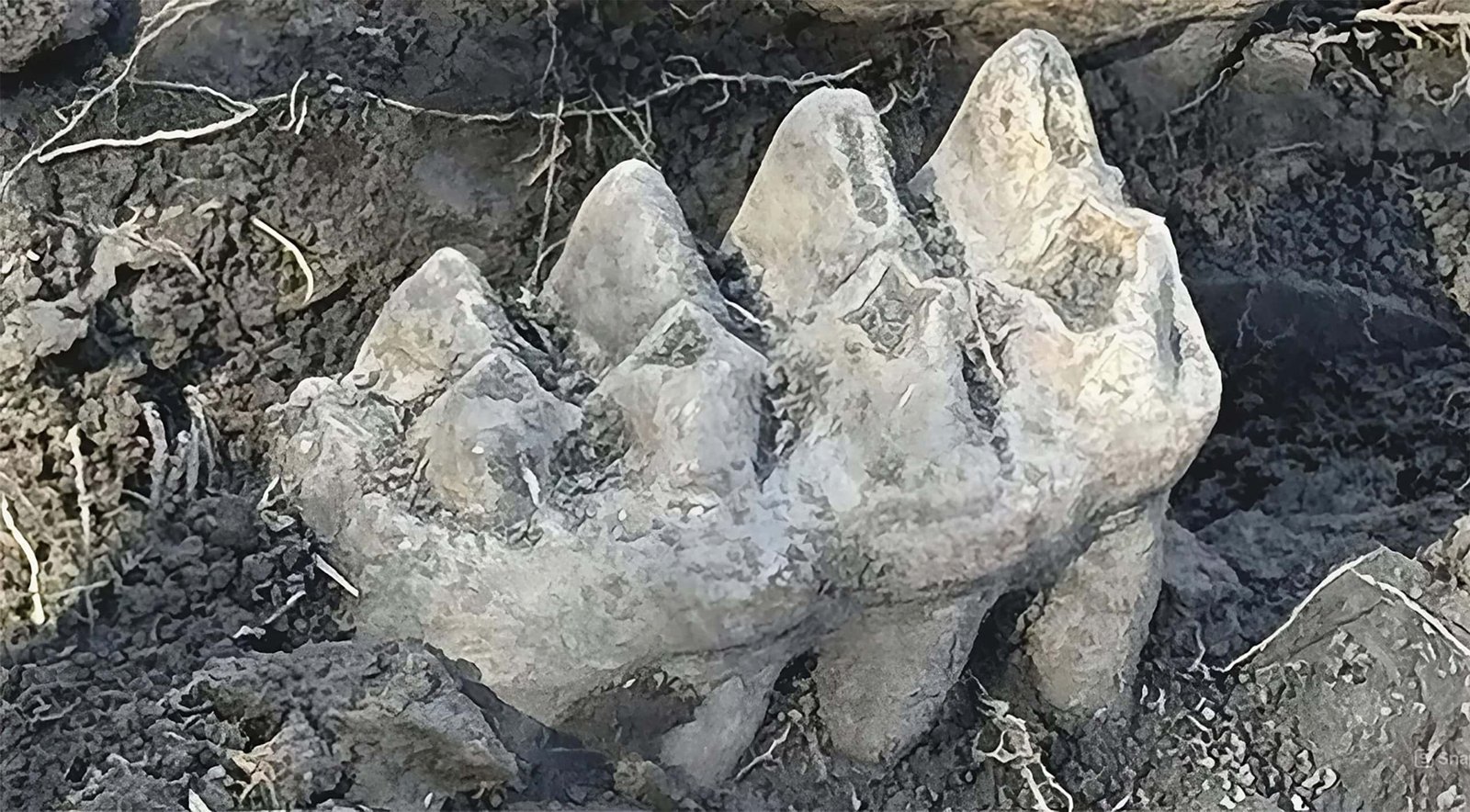
One jaw entire mastodon was found in a yard in the US, along with Other fragments Of this great Prehistoric herbivoreRelative extinct of modern elephants.
In a nutshell:
- A north -American found Mastodon teeth in his backyard, which led to the discovery of a The complete jaw and other fossil fragments;
- The jaw and other bones found are of adultAnd scientists investigate the species and age of carbon dating fossils;
- The discovery offers a unique opportunity to study the ecosystems of glaciation;
- It Orange CountyIn New York, it has a rich paleontological history, with More than 150 mastodon fossils dating to about 15,000of the upper Pleistocene;
- Scientists are still investigating the possible causes of mastodon extinction, including interaction with humans.
It all started end of SeptemberWhen a resident was found in Orange County in New York State Two giant teeth under some leaves in the garden. After a small excavation, two other teeth were located a few centimeters below the ground.
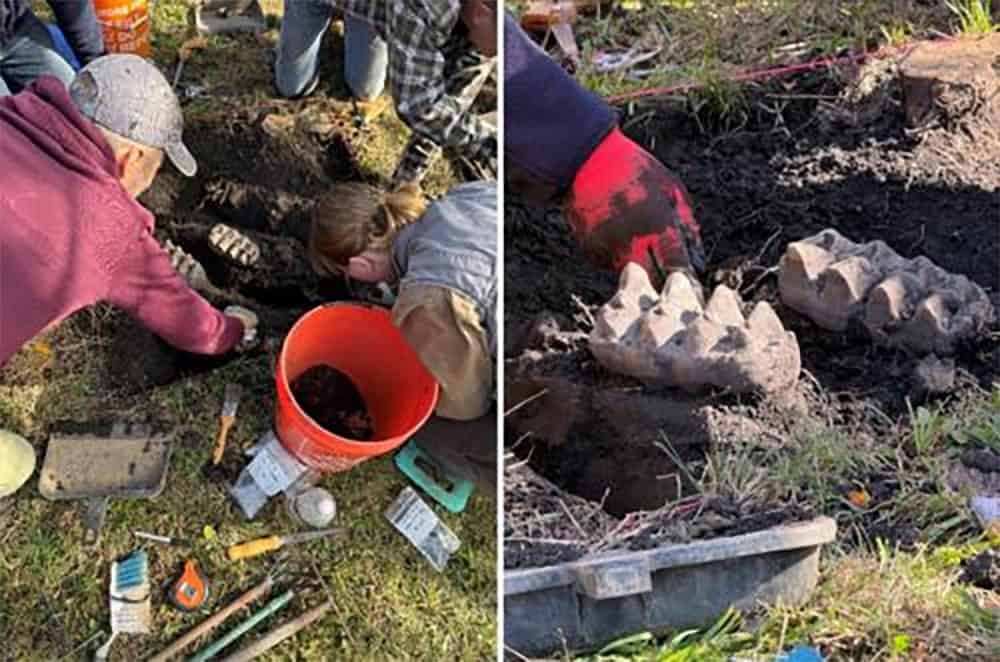
“When I found my teeth and examined them, I knew they were something special,” says the man, who denied being identified in a statement from the New York State Museum. Then He contacted the New York State Institution and State University (Suny).
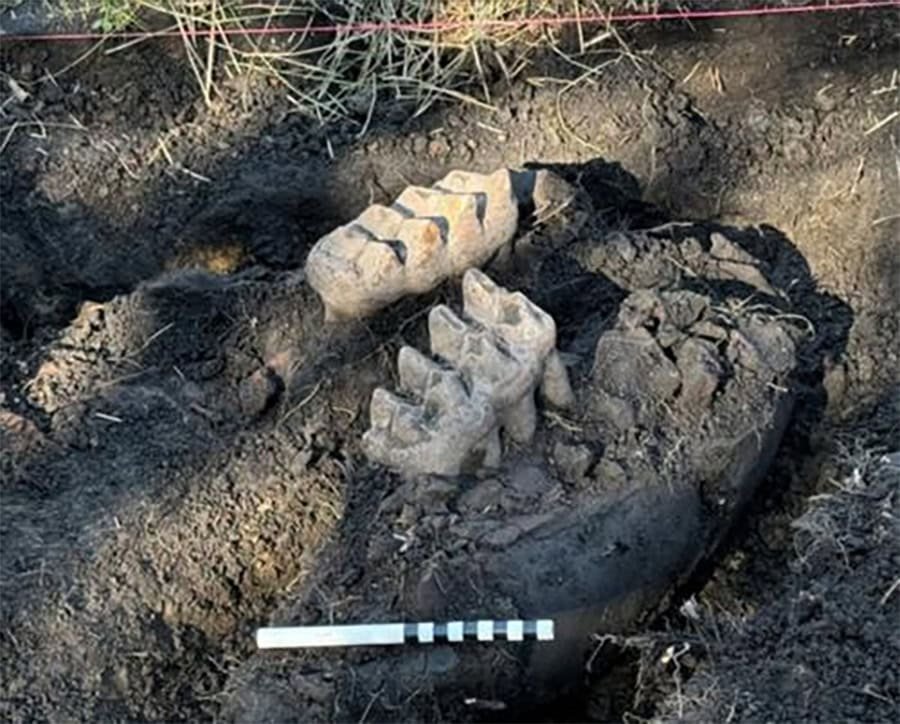
Subsequent excavations revealed a Adult Mastodon Complete JawIn addition to part of a Fragments of bone and finger ribs. “Although the jaw is the most prominent, the additional fragments offer a valuable context for future research,” said Suny’s anthropologist Cory Harris. “We believe that there is still much to explore in the area and we hope to find more bones.”
Read -Ne More:
Mastodon species and bone age are in research
Scientists continue to determine the exact species of Mastodon and the age of bones. Carbon dating will be used to reveal the time these remains are buried. In addition, researchers are analyzing what fossils can reveal about the diet and habitat of animals.
Robert Ferascus, an evolutionary environmentalist and ice management curator of the New York State Museum, commented on the importance of discovery. “The Mastodon Mandible offers a unique opportunity to study the ecosystems of the ice period. Fossils, but also helps us to understand the past, but also to better understand the world today.”
New York has a rich paleontological history, with more than 150 mastodon fossils found in the state. About 30% of these fossils come from the county of Orange, although the last great discovery of the site took place 11 years ago. Most fossils in the region dates to about 15,000 years, referring to the upper Pleistocene, a period characterized by a much colder climate, with huge glaciers that cover large areas.
In addition to mastodon fossils, the region also preserves glacial hunter artifacts, such as rare Paleo-India stone tips found in local caves.
The extinction of mastodons and other giant animals of the Upper Pleistocene, about 11,700 years ago, has been related to various theories, including human interaction. However, scientists are still investigating if the animal has found it has a bond with these debates.